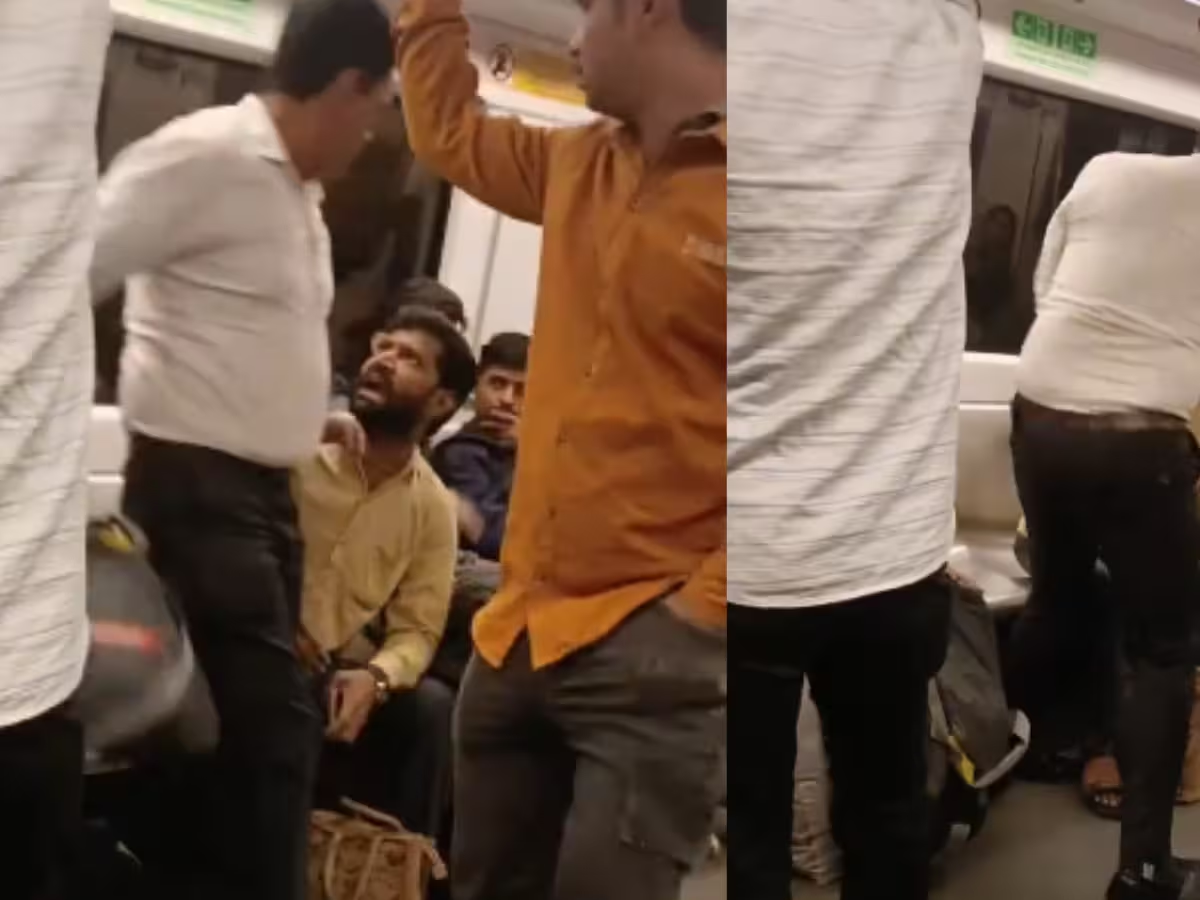





















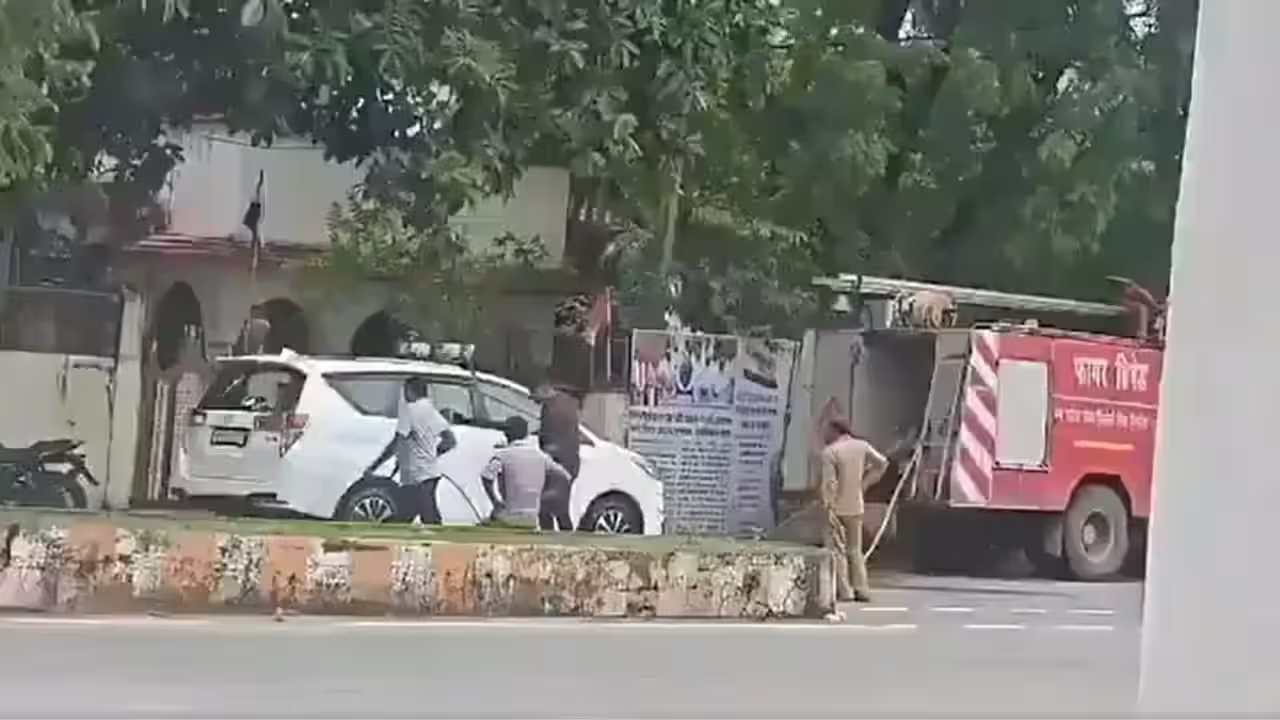





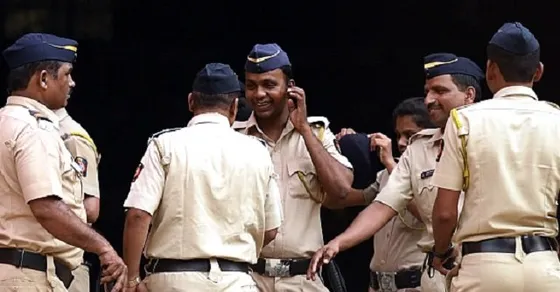
A viral video involving a Nagpur police officer commenting about fuel shortages in department vehicles has sparked discussions online about police infrastructure, operational funding and working conditions. The incident has drawn attention to the everyday logistical challenges faced by law enforcement personnel in several Indian cities.
The viral Nagpur cop video became a major talking point after clips circulated widely across social media platforms showing a police officer allegedly making informal remarks related to fuel availability for official vehicles. While the video itself appeared lighthearted to some viewers, the reaction online quickly shifted toward a serious discussion on whether police departments across India are facing operational resource shortages.
The incident gained traction because it touched on a larger issue that many citizens rarely see directly. Police personnel are often expected to maintain rapid response systems, patrol large areas and manage public safety continuously, but logistical support such as vehicle maintenance, fuel budgets and staffing remains uneven in several regions.
Viral Social Media Clips Push Local Issues Into National Debate
The Nagpur police video spread rapidly through Instagram Reels, WhatsApp forwards and regional social media pages. Many users initially shared the clip for humor, but the conversation evolved as people began discussing whether the officer’s comments reflected deeper administrative problems.
Social media increasingly acts as a public feedback mechanism in India. Short viral clips now regularly bring local governance concerns into mainstream discussion within hours. In this case, viewers questioned whether police departments are receiving sufficient operational support despite rising urban responsibilities.
Several online users compared the situation with similar reports from other Indian states where government departments have faced budget-related logistical constraints. Others argued that isolated comments should not automatically be treated as evidence of systemic failure.
The incident also highlighted how quickly informal remarks by public officials can become politically and socially sensitive once shared online.
Growing Urban Pressure on Police Infrastructure
Nagpur, like many rapidly expanding Indian cities, has witnessed increasing traffic density, urban sprawl and rising public service demands over the past decade. Police departments are expected to handle traffic enforcement, emergency response, cybercrime complaints, crowd management and law-and-order duties simultaneously.
As cities grow, operational requirements also increase. Fuel consumption naturally rises with more patrolling vehicles, larger coverage zones and extended deployment hours during festivals, protests and emergencies.
Experts in urban governance often point out that police modernization in India is uneven across states and districts. While some metropolitan areas have introduced advanced surveillance systems and digital policing tools, smaller and mid-sized city departments still depend heavily on limited physical resources.
Fuel budgets are rarely discussed publicly, but transportation remains one of the most essential components of policing. Patrol vehicles are critical for emergency response times, crime prevention visibility and routine law enforcement operations.
Police Welfare and Working Conditions Under Spotlight
The viral video has also reopened conversations around police welfare and work conditions in India. Law enforcement personnel frequently work long shifts, manage stressful environments and operate under public scrutiny.
In recent years, public discussions about police reform have expanded beyond law-and-order debates to include mental health support, staffing shortages, housing conditions and workplace infrastructure.
Some former police officials and policy observers noted online that operational challenges often remain invisible until a viral moment draws attention. Others cautioned against making broad conclusions without official clarification from authorities.
Nagpur Police has not publicly framed the situation as a major institutional crisis, but the social media reaction demonstrates how citizens increasingly expect transparency regarding public service systems.
Why Viral Governance Issues Gain Massive Attention Online
India’s digital audience has become highly responsive to governance-related viral content, especially when it involves relatable public service concerns. Videos connected to transport, healthcare, education and policing often gain traction because they reflect everyday realities experienced by ordinary citizens.
Short-form content also simplifies complex administrative issues into highly shareable moments. A brief comment or visual clip can trigger national debate even before official statements emerge.
For media platforms, such incidents create a balancing challenge between reporting public sentiment and avoiding exaggerated interpretations. Viral clips often contain incomplete context, making fact-checking especially important before broader conclusions are drawn.
The Nagpur incident demonstrates how social media virality can quickly transform a local moment into a nationwide conversation about governance, infrastructure and accountability.
Takeaways
- A viral video involving a Nagpur police officer sparked discussions about fuel availability and police resources
- Social media users shifted the conversation from humor to concerns over public infrastructure
- Urban policing demands are increasing due to city expansion and rising operational responsibilities
- The incident highlighted broader debates around police welfare and administrative transparency
FAQ
Why did the Nagpur police video go viral?
The video gained attention after social media users widely shared a clip showing a police officer commenting about fuel-related issues linked to official vehicle operations.
Did authorities officially confirm a fuel shortage crisis?
Publicly available information does not confirm a large-scale institutional crisis. However, the viral discussion raised broader concerns about police operational resources.
Why are people discussing police infrastructure after this incident?
The video triggered conversations about how police departments manage increasing urban responsibilities with limited logistical support and operational budgets.
How does social media influence public governance debates?
Social media platforms rapidly amplify local incidents, often turning short clips into national discussions about accountability, infrastructure and public administration.