


























The Renault Duster Hybrid has entered India’s midsize SUV market with a strong-hybrid powertrain, a claimed mileage of 29 kmpl and prices starting at Rs 16.99 lakh. But does its performance, comfort and cabin space make it a suitable family SUV? Here is what buyers should know.
Renault Duster Hybrid Price and Variants in India
The Renault Duster Hybrid is an important addition to the company’s Indian portfolio. Launched on October 17, 2026, the strong-hybrid version brings a new powertrain option to the Duster lineup, which previously offered turbo-petrol engines.
The hybrid is available in three variants:
| Variant | Ex-showroom price |
|---|---|
| Evolution | Rs 16.99 lakh |
| Techno | Rs 18.99 lakh |
| Emotion | Rs 19.49 lakh |
These are introductory prices applicable to deliveries until December 31, 2026, according to the launch announcement.
The hybrid competes with the strong-hybrid versions of the Maruti Suzuki Grand Vitara, Maruti Suzuki Victoris and Toyota Urban Cruiser Hyryder.
For buyers considering a family SUV, the starting price is an important factor. However, the final on-road cost will vary depending on the city, registration charges, insurance and other applicable expenses.
Renault Duster Hybrid Engine and Performance
The biggest change in the Renault Duster Hybrid is under the bonnet. It uses Renault’s E-Tech 160 strong-hybrid system, combining a 1.8-litre, four-cylinder naturally aspirated petrol engine with two electric motors.
The petrol engine produces 110hp and 175Nm of torque, while the traction motor produces 50hp and 208Nm. The combined system output is rated at 160hp.
The setup is supported by a 1.4kWh battery pack and a multi-mode automatic transmission. Unlike a conventional petrol SUV, the hybrid can operate using electric power, the petrol engine or a combination of both.
Renault claims a 0-100 kmph acceleration time of 9.61 seconds. This gives the SUV a performance-oriented character while retaining its focus on fuel efficiency.
The transmission is also different from the e-CVT systems used by several competing hybrid SUVs. Renault uses a multi-mode arrangement with two electric gears and four petrol-engine gears.
According to road-test findings published by Autocar India on October 28, the SUV delivers responsive acceleration, smooth power delivery and a refined highway driving experience.
Renault Duster Hybrid Mileage: Is 29 kmpl Realistic?
Fuel efficiency is one of the biggest reasons buyers consider hybrid SUVs. The Renault Duster Hybrid comes with an ARAI-certified mileage figure of 29 kmpl.
Renault claims that the vehicle can complete up to 80% of city driving in electric mode, depending on driving conditions. Its hybrid system automatically switches between electric and petrol power to manage energy consumption.
The SUV also uses regenerative braking, which helps recover energy during deceleration and braking to recharge the battery.
However, the certified mileage should not be confused with everyday fuel consumption.
In its October 28 road test, Autocar India reported an indicated city efficiency of approximately 16.9 kmpl during its test conditions. This figure is different from the official certified mileage and should not be treated as a standard result for every owner.
Actual fuel economy will depend on traffic, driving style, road conditions, air-conditioning usage and vehicle load.
For families regularly travelling through city traffic, the hybrid system could offer an advantage over conventional petrol SUVs. However, buyers should consider realistic running conditions rather than making a purchase decision based only on the 29 kmpl figure.
Exterior Design and Ground Clearance
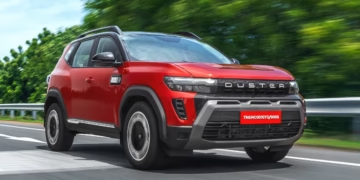
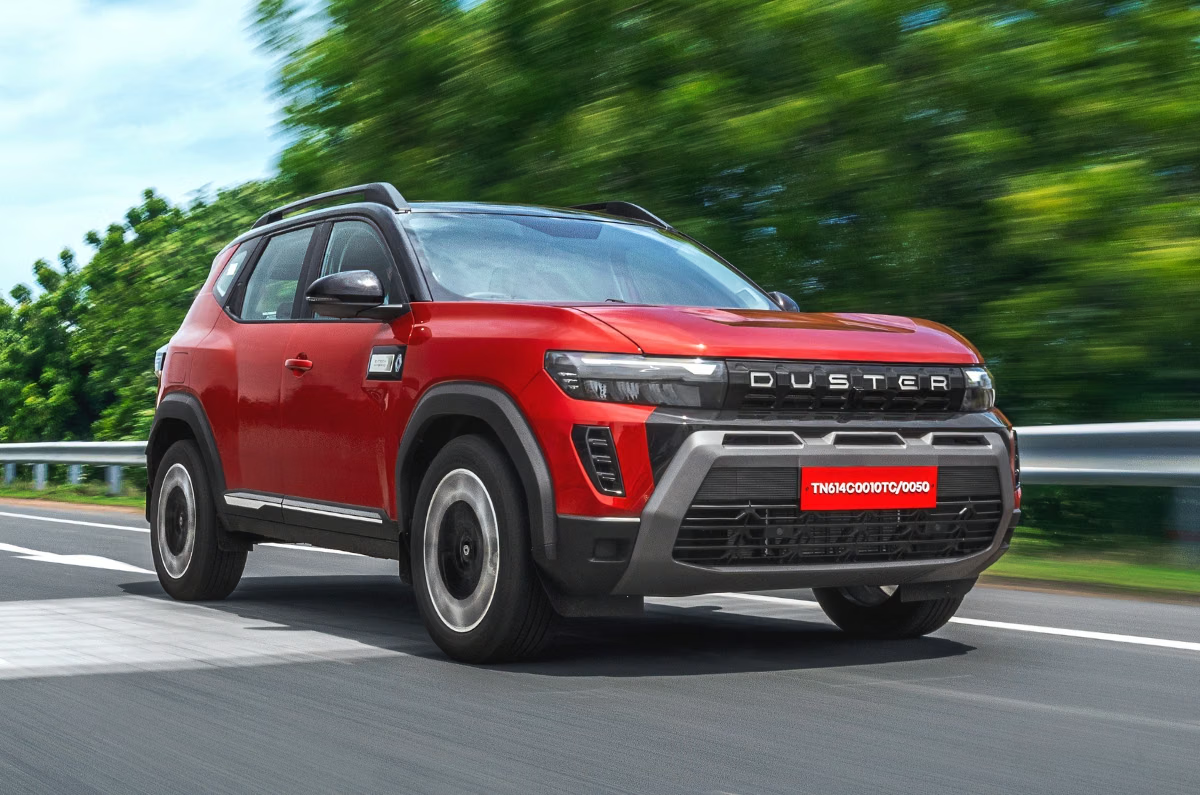
The Renault Duster Hybrid retains the muscular design of the new-generation Duster.
Its exterior features include chunky body cladding, roof rails, distinctive LED daytime running lights, a horizontal rear light bar and a bold front grille.
The hybrid version receives a few design-specific changes, including an illuminated Duster emblem and E-Tech Hybrid badges on the front doors and tailgate.
The SUV measures 4,346mm in length, 1,815mm in width and 1,694mm in height. It has a wheelbase of 2,657mm.
One of its useful features for Indian road conditions is the 212mm ground clearance. This can help when negotiating uneven roads, speed breakers and certain rough-road sections.
The approach angle is 26.9 degrees, while the departure angle is 34.7 degrees.
For families living in smaller cities and travelling between towns, ground clearance can be an important consideration. Roads outside major urban centres do not always offer consistent surfaces, particularly during the monsoon season.
However, the Duster Hybrid is a front-wheel-drive SUV and should not be confused with a dedicated four-wheel-drive off-roader.
Interior Features and Cabin Comfort
Inside, the Renault Duster Hybrid follows the general cabin layout of the petrol version, with a dual-screen arrangement and a modern dashboard.
The cabin receives Dune Brown leatherette upholstery in the top variant, giving it a lighter appearance compared with the darker interior theme of the petrol models.
The Evolution variant comes with a 10.1-inch touchscreen, a 7-inch digital driver’s display, wireless smartphone connectivity and dual-zone automatic climate control.
The Techno variant adds features such as a panoramic sunroof, keyless entry, push-button start and connected-car technology.
The top-spec Emotion variant includes a 10.25-inch digital driver’s display, electrically adjustable and ventilated front seats, and a powered tailgate.
These features can improve everyday convenience, particularly for families using the vehicle for office commutes, shopping trips and longer journeys.
However, the cabin is not without its practical limitations. The instrument display has been criticised in road-test reviews for its unconventional layout and readability. Some controls and storage areas could also have been designed more conveniently.
The overall feature package is competitive, but buyers should inspect the actual cabin layout during a dealership visit.
Rear Seat Space and Boot Capacity: Is It Family-Friendly?
For a family SUV, rear-seat comfort and luggage capacity matter as much as engine performance.
The Renault Duster Hybrid offers a comfortable seating position and well-cushioned seats. Published road-test observations suggest that average-sized adults can travel comfortably in the rear.
However, rear-seat space is not among its strongest areas. It is not as generous as some competing midsize SUVs, including the Hyundai Creta and Kia Seltos.
Families with three adults regularly travelling in the rear should check shoulder room and seating comfort before making a decision.
Boot capacity is another important consideration.
According to Renault’s specifications, the boot offers 544 litres of space when measured up to the roof and 372 litres up to the parcel shelf.
The battery installation reduces the usable luggage space compared with the petrol Duster. Autocar India’s review also noted that the hybrid does not come with a standard spare wheel, although a space-saver spare can be purchased as an accessory.
For families carrying multiple suitcases, strollers or holiday luggage, this reduction in boot space deserves attention.
The Duster Hybrid can handle regular family travel, but buyers who frequently take long holidays with a fully occupied cabin may want to compare luggage capacity with rival SUVs.
Ride Quality, Handling and Highway Performance
Ride comfort has traditionally been an important part of the Duster’s appeal, and the hybrid version continues that focus.
The additional battery and hybrid components make the vehicle approximately 100kg heavier than the petrol versions. Renault has therefore revised the suspension setup.
The hybrid gets Frequency Dependent Damping (FDD) technology, which adjusts damping behaviour according to the type of road input.
In simple terms, the suspension is designed to absorb smaller, sharper bumps while maintaining control during larger body movements.
Autocar India’s October 28 road test praised the Duster Hybrid’s ride comfort, steering response and high-speed stability.
On highways, the powertrain can use the petrol engine to drive the wheels while the electric motor assists during acceleration and overtaking.
This makes the SUV suitable for families who regularly travel between cities.
Its strong acceleration and controlled suspension also make it an interesting option for buyers who want more than just a comfortable daily commuter.
Safety Features and Missing Equipment
Safety is another important consideration when choosing a family vehicle.
The Renault Duster Hybrid comes with six airbags as standard, along with electronic stability control, traction control, hill-start assist, tyre pressure monitoring and rear parking assistance.
The entry-level Evolution variant also receives a rear-view camera and other basic driving aids.
However, one important limitation is the absence of Advanced Driver Assistance Systems (ADAS) and a 360-degree camera on the hybrid variants.
These features are available on certain higher-spec petrol versions of the Duster, making their absence in the hybrid lineup worth considering.
For buyers who regularly drive in crowded city areas, a 360-degree camera can be particularly useful when parking in tight spaces.
The absence of these features does not automatically make the SUV unsuitable for families, but it does mean buyers should compare the complete safety and convenience package before selecting a variant.
Renault Duster Hybrid vs Grand Vitara and Toyota Hyryder
The Renault Duster Hybrid enters a segment where buyers already have established strong-hybrid options.
The Maruti Suzuki Grand Vitara and Toyota Urban Cruiser Hyryder use a Toyota-sourced 1.5-litre strong-hybrid system. The Maruti Suzuki Victoris also offers a strong-hybrid powertrain.
Renault takes a different approach with its 1.8-litre engine, two electric motors and 1.4kWh battery.
Its combined output of 160hp is higher than the output of the Toyota-based hybrid systems. Renault also claims a certified efficiency figure of 29 kmpl.
However, choosing a family SUV involves more than comparing engine specifications.
Buyers should consider rear-seat comfort, luggage capacity, dealership access, service costs, warranty coverage and the availability of spare parts.
The Grand Vitara and Hyryder have established hybrid ownership networks, while the Duster Hybrid brings a different driving experience and powertrain technology.
The final decision will depend on individual requirements rather than one specification alone.
Renault Duster Hybrid Review: Should Families Consider It?
The Renault Duster Hybrid brings together strong performance, a self-charging hybrid system, claimed fuel efficiency and comfortable ride quality.
Its 160hp powertrain, 212mm ground clearance and revised suspension make it suitable for buyers who regularly travel through a combination of city roads and highways.
The pricing also places it directly against established hybrid SUVs, giving customers another option in the segment.
However, the Duster Hybrid is not without compromises. Rear-seat space is relatively limited compared with some rivals, the battery affects luggage capacity, and the absence of ADAS and a 360-degree camera may disappoint buyers expecting a fully equipped top-end SUV.
Its introductory price and claimed mileage make it worth considering, particularly for buyers who value driving performance and hybrid technology.
For families, the most sensible approach is to test the rear seats, check boot space with their usual luggage and compare the on-road price of competing models before making a final decision.
Key Takeaways
- The Renault Duster Hybrid starts at Rs 16.99 lakh and is available in three variants.
- Its 1.8-litre strong-hybrid powertrain produces 160hp and has a claimed ARAI mileage of 29 kmpl.
- The SUV offers 212mm ground clearance, six airbags and revised suspension for improved ride comfort.
- Limited rear-seat space, reduced boot capacity and the absence of ADAS and a 360-degree camera are important considerations.
Frequently Asked Questions
1. What is the price of the Renault Duster Hybrid in India?
The Renault Duster Hybrid starts at Rs 16.99 lakh for the Evolution variant. The Techno costs Rs 18.99 lakh, while the top-spec Emotion is priced at Rs 19.49 lakh. These are introductory ex-showroom prices.
2. What is the mileage of the Renault Duster Hybrid?
Renault claims an ARAI-certified fuel efficiency of 29 kmpl. Actual mileage may vary depending on traffic conditions, driving style, road conditions and vehicle usage.
3. Is the Renault Duster Hybrid suitable for family use?
Yes, it offers comfortable seating, useful cabin features, good ground clearance and a refined hybrid powertrain. However, families should check rear-seat space and boot capacity before purchasing.
4. Does the Renault Duster Hybrid have ADAS?
No. The hybrid variants miss out on ADAS and a 360-degree camera, although they offer six airbags, electronic stability control, traction control and other essential safety features.