

























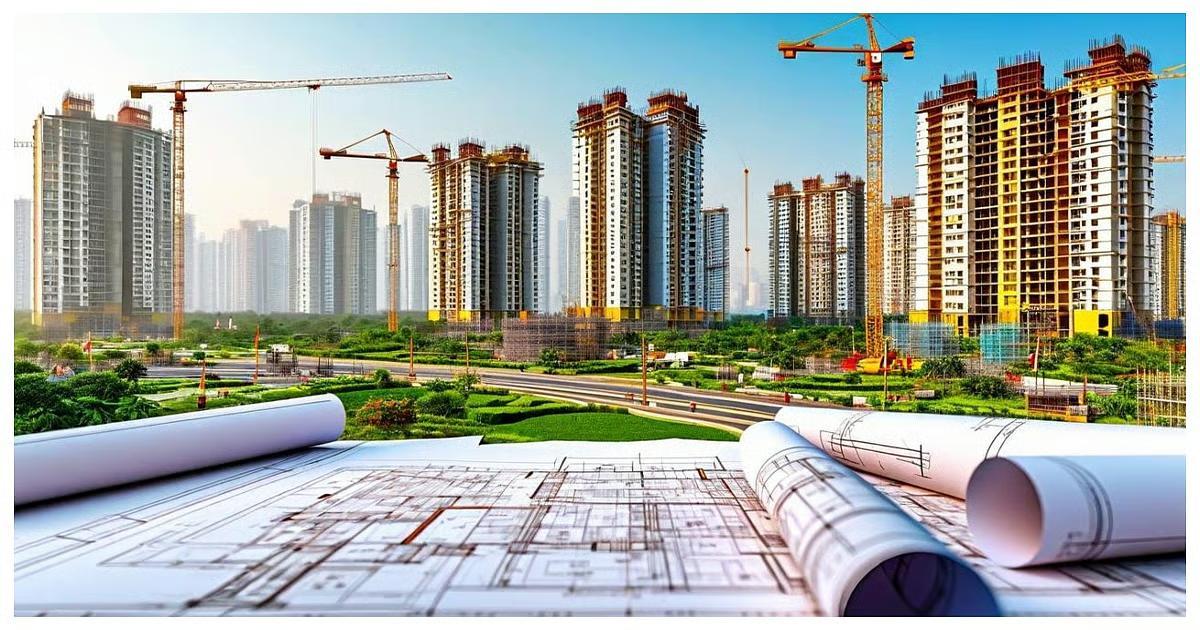
Young professionals returning to office-based work and shifting toward affordable urban hubs are driving a sharp increase in rental prices across Pune, Indore and Jaipur. Real estate experts say the trend is being fueled by IT hiring, startup growth, hybrid work models and rising migration from smaller towns.
The rental housing market in Pune, Indore and Jaipur has seen noticeable growth in 2026 as young professionals increasingly move back to urban centers for work opportunities. The shift is particularly visible in areas close to IT parks, startup clusters, coaching hubs and metro-connected localities.
Property consultants and housing platforms have reported rising demand for 1BHK and 2BHK apartments, especially among employees working in technology, finance, education, e-commerce and digital services. Compared to metro cities like Mumbai, Bengaluru and Delhi, these emerging urban centers continue to offer relatively affordable living costs, making them attractive for first-job professionals and remote workers.
Pune Rental Prices Rise Near IT and Commercial Hubs
Pune remains one of India’s strongest rental housing markets due to its large IT workforce and educational ecosystem. Areas such as Hinjewadi, Baner, Wakad, Kharadi and Viman Nagar have witnessed consistent rental demand over the past year.
Many companies have gradually increased office attendance requirements in 2026. As a result, professionals who previously worked remotely from hometowns are now relocating closer to workplaces. This has directly affected rental pricing in major employment zones.
Local brokers say rents for furnished 1BHK apartments in parts of Hinjewadi and Kharadi have increased significantly compared to early 2025 levels. Shared accommodations and co-living spaces are also witnessing high occupancy due to rising migration from nearby towns in Maharashtra and central India.
Pune’s strong public transport expansion, startup activity and student population continue to support long-term rental demand. The city is also attracting professionals who want metro-like career opportunities without the extremely high living costs of Bengaluru or Mumbai.
Indore Emerging as a Preferred Tier-2 Work Destination
Indore has steadily built a reputation as one of India’s fastest-growing Tier-2 cities. The city’s improving infrastructure, cleaner urban planning and growing startup ecosystem are contributing to rising housing demand.
Rental growth is particularly visible in Vijay Nagar, Nipania, Bengali Square and areas near commercial business districts. Many young professionals working in fintech, digital marketing, logistics and online education are choosing Indore because of its lower daily expenses and improving quality of life.
Another major factor is reverse migration from expensive metro cities. Some professionals who previously worked in Bengaluru, Pune or Gurugram are now accepting hybrid or remote-friendly roles while living in Indore to reduce monthly expenses.
Real estate analysts believe Indore’s rental market still has room for growth because the city remains more affordable compared to larger urban centers. At the same time, increasing demand is slowly pushing landlords to raise prices, especially for fully furnished apartments and gated communities.
Jaipur Sees Higher Rental Demand From Startups and Students
Jaipur’s rental market is also expanding rapidly due to rising tourism-linked businesses, startup activity and educational migration. Areas such as Malviya Nagar, Jagatpura, Vaishali Nagar and Mansarovar are witnessing strong rental demand from students and working professionals.
The city has become increasingly popular among digital workers, freelancers and small business owners who prefer lower operational costs while maintaining urban connectivity. Jaipur’s improving coworking infrastructure and airport connectivity are supporting this trend.
Students preparing for competitive exams and professionals joining private companies are also contributing to increased rental occupancy across the city. Property owners are responding by upgrading apartments with modern amenities such as WiFi, security systems and furnished interiors.
Housing experts note that Jaipur’s rental rise is not yet at metro-city levels, but the pace of growth has accelerated sharply in the last 12 months.
Why Young Professionals Prefer Tier-2 Cities in 2026
The shift toward Tier-2 cities is being driven by multiple economic and lifestyle factors. Rising rents in Bengaluru, Mumbai and Delhi have forced many young earners to search for more sustainable alternatives.
Cities like Pune, Indore and Jaipur offer lower transportation costs, shorter commute times and better work-life balance. Hybrid work culture has also reduced the need for employees to live in ultra-expensive metro locations full time.
Many companies are additionally expanding regional offices into Tier-2 cities to reduce operational costs. This has created new local employment opportunities and strengthened rental housing demand.
Experts believe the trend may continue through 2026 as India’s digital economy expands beyond traditional metro centers.
Takeaways
- Pune, Indore and Jaipur are seeing strong rental price growth in 2026
- Young professionals are returning to urban work hubs due to hybrid and office-based jobs
- Tier-2 cities are attracting migrants because of lower living costs and improving infrastructure
- Furnished apartments and co-living spaces are witnessing the highest demand growth
FAQ
Why are rental prices increasing in Pune, Indore and Jaipur?
Rental prices are increasing due to rising migration of young professionals, office reopening trends, startup expansion and growing demand for affordable urban housing.
Which areas in Pune are witnessing the highest rental demand?
Hinjewadi, Baner, Wakad, Kharadi and Viman Nagar are among the strongest rental markets because of their proximity to IT parks and commercial hubs.
Why are professionals shifting toward Tier-2 cities?
Many professionals prefer Tier-2 cities because they offer lower living costs, reduced traffic, better work-life balance and growing job opportunities.
Is the rental market expected to grow further in 2026?
Real estate analysts expect continued rental demand growth in major Tier-2 cities as hybrid work and regional business expansion continue.