






























India’s SIM-binding rules for messaging apps are expected to affect how users access WhatsApp, Telegram and other communication services from January 2027. With the compliance deadline set for December 31, 2026, smartphone users should understand how the rules work, why they were introduced and what changes may be required.
What Are SIM-Binding Rules for Messaging Apps?
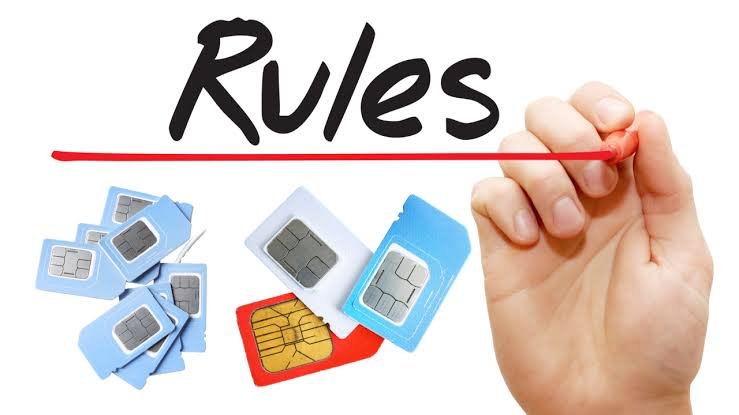
SIM binding is a process that links a messaging app account to the active SIM card associated with the mobile number used to register the account. Under the Department of Telecommunications’ directions, covered communication services must ensure that the registered SIM remains present in the device running the app.
The government issued these directions on November 28, 2025, under the Telecom Cyber Security Rules, 2024, as amended. The Department of Telecommunications announced the move on December 1, 2025, explaining that some services continued to work even when the SIM associated with an account was no longer available in the device.
This gap, according to the government, could be exploited by fraudsters who use Indian mobile numbers to operate messaging accounts remotely.
The compliance deadline was subsequently extended to December 31, 2026. As of October 23, 2026, users should prepare for the new requirements while recognising that the exact experience will depend on how individual platforms implement them
Which Messaging Apps Could Be Affected?
The original government directions named several app-based communication services that use Indian mobile numbers to identify users or provide services.
These include:
- Telegram
- Signal
- Snapchat
- Arattai
- ShareChat
- Josh
- JioChat
The directions apply to the specified services covered by the government order. They should not automatically be interpreted as a blanket restriction on every social media platform, website or messaging service.
The central requirement is to maintain the connection between the registered Indian mobile number, its active SIM and the device running the covered application.
For users, the practical implications could be particularly relevant if they operate messaging accounts on phones that do not contain the registered SIM, use multiple devices or rely on linked-device features.
However, the rules do not mean that all WhatsApp or Telegram accounts will automatically stop working on January 1, 2027. The impact will depend on compliance and the way each platform enforces SIM verification.
Why Has the Government Introduced SIM Binding?
The primary objective is to reduce the misuse of Indian telephone numbers in cybercrime.
Messaging platforms have become important tools for everyday communication, banking-related alerts, business coordination and customer service. Fraudsters can also exploit them to impersonate government officials, contact potential victims, circulate fraudulent investment offers and conduct phishing campaigns.
The DoT identified a specific security concern: an account could continue operating after its associated SIM had been removed, deactivated or moved elsewhere. This could allow someone to use a number-linked account without the original SIM remaining in the device.
SIM binding is intended to make such misuse more difficult by requiring the app to maintain a connection with the registered SIM.
However, SIM binding should not be confused with a complete solution to cybercrime. Scammers may still use stolen credentials, compromised devices, fraudulent websites or other communication channels. Users will continue to need strong account security and caution when dealing with unknown contacts.
What Changes Could WhatsApp and Telegram Users Face?
For people who use WhatsApp, Telegram or other covered services, the biggest change could involve the device on which the app is installed.
A user who registers an account with one mobile number but later removes that SIM and continues using the app may face access restrictions if the service enforces the new requirement.
For example, someone might register WhatsApp on a smartphone, move the registered SIM to another phone and continue using the original device over Wi-Fi. Under the new directions, that arrangement could be affected because the registered SIM would no longer be present in the original device.
Users who have replaced an old number, deactivated a SIM or moved their account to a different number should review their account settings and ensure their registration details remain current.
The government has not stated that every user must purchase a new smartphone or obtain an additional SIM. The central issue is whether the registered, active SIM is available in the device running the covered app.
The exact handling of eSIMs, multiple-SIM devices and particular companion-device arrangements should be confirmed through official platform guidance rather than assumptions.
Will WhatsApp Web and Desktop Sessions Log Out Every Six Hours?
The original November 2025 directions included periodic logout requirements for web versions of covered communication services. Early reporting described a maximum six-hour interval for such sessions.
However, this requirement was subsequently revised.
In April 2026, the government confirmed that the compliance deadline had been extended to December 31, 2026. The parliamentary response also stated that web sessions would be logged out on the basis of risk-based analysis, with no specific fixed time period prescribed.
This distinction is important for people who use WhatsApp Web or access messaging services through a computer during work.
Users should not assume that every web session will automatically end every six hours under the revised approach. Instead, platforms are expected to implement logout measures based on their assessment of risk and the applicable directions.
The precise implementation may differ between services. Users should watch for official app updates and instructions about linking devices again if required.
What Should Indian Smartphone Users Do Before January 2027?
The compliance deadline gives users time to check their existing arrangements and avoid unnecessary disruption.
First, confirm which mobile number is registered with each messaging app. If the number is no longer active or the associated SIM has been replaced, follow the platform’s official process for updating the account.
Second, keep the registered SIM active and available in the device running the covered application, where the requirement applies. Do not deactivate an old number before checking whether it is still connected to important accounts.
Third, install official updates from trusted app stores. Platforms may introduce verification prompts or other changes as they implement the directions.
Finally, back up important conversations or files where the platform provides an appropriate backup facility. Review the relevant account-recovery options before changing numbers or devices.
Users should avoid unofficial applications that claim to bypass SIM verification. Such tools may expose personal information, compromise accounts or introduce malware.
Could SIM Binding Affect Businesses and Small-Town Users?
The potential impact extends beyond individual smartphone users. Small businesses often depend on messaging apps to communicate with customers, coordinate orders, confirm deliveries and respond to enquiries.
A shopkeeper who manages customer messages from a separate phone or a computer may need to review the way the account is set up. Delivery businesses, freelancers and service providers who use multiple devices should also check their arrangements.
For people in Tier-2 and Tier-3 cities, messaging apps frequently serve as practical communication tools for local commerce, family groups, education and customer support. Any change to access arrangements could therefore require some preparation.
At the same time, the new rules do not automatically prevent people from using messaging services for business. The effect will depend on the platform’s implementation and whether the account complies with the applicable SIM requirements.
Businesses should avoid relying on a single device or informal account-sharing practices for critical communication. Clear account ownership, secure recovery methods and official linked-device features can help reduce disruption.
What Remains Unclear About the New SIM-Binding Rules?
Although the government has issued directions and established a compliance timeline, some practical details depend on how platforms implement the requirements.
These include the handling of particular multi-device arrangements, the verification process for different operating systems and the user experience when a registered SIM is changed or becomes inactive.
It is also important to distinguish the compliance deadline from the date on which every platform will have completed its technical rollout. January 1, 2027, is being cited as the expected operational start following the December 31 deadline, but users should consult official announcements for platform-specific instructions.
SIM binding is intended to strengthen accountability around Indian mobile numbers. Its effectiveness will depend on implementation, while its convenience for users will depend on how clearly platforms communicate changes and handle legitimate account transfers.
For now, the sensible approach is to keep registered numbers current, maintain access to the associated SIM and follow verified guidance from the relevant messaging service.
Key Takeaways
- India’s SIM-binding directions cover specified communication services, including WhatsApp, Telegram, Signal and Snapchat.
- The Department of Telecommunications set December 31, 2026, as the compliance deadline, with January 1, 2027, cited as the expected operational start.
- The government says the measure is intended to reduce cyber fraud involving messaging accounts that remain usable without their registered SIM.
- Users should check registered numbers, keep relevant SIMs active and follow official platform updates rather than relying on unverified claims about automatic account shutdowns.
Frequently Asked Questions
1. When will SIM-binding rules take effect in India?
The compliance deadline for covered platforms is December 31, 2026. January 1, 2027, is being cited as the expected operational start, although the actual user experience will depend on platform implementation.
2. Will WhatsApp stop working if the registered SIM is removed?
The account could face access restrictions if the registered SIM is not present in the device and the platform enforces the requirement. Users should follow WhatsApp’s official instructions rather than assume every account will be disabled in the same way.
3. Will WhatsApp Web log out every six hours?
The earlier six-hour requirement was revised to a risk-based logout approach, with no fixed logout interval specified in the government’s April 2026 parliamentary response.
4. Do users need to buy a new SIM card or smartphone?
The directions do not generally require every user to buy a new SIM or smartphone. Users should ensure that the registered, active SIM is available in the device running the covered app and check official guidance for their particular setup.