




























Mumbai is entering the most intense phase of the southwest monsoon, with the India Meteorological Department forecasting heavy to very heavy rainfall during the first week of July. As peak rainfall approaches, authorities have stepped up preparedness measures while residents are being advised to stay alert, plan travel carefully, and follow official weather updates to minimize disruptions.
Mumbai’s monsoon preparedness has become a key focus as the city braces for heavier rainfall after an uneven start to the season. While June recorded below-average rainfall, weather officials expect rain activity to increase significantly in early July, making preparedness essential for both authorities and citizens.
Heavy Rainfall Expected During Peak Monsoon
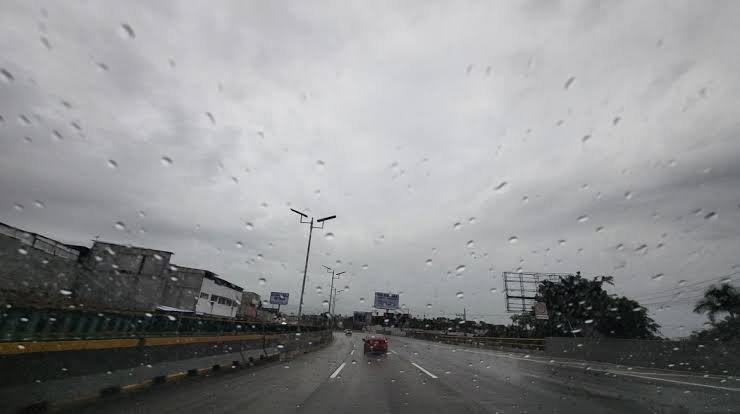
The IMD has forecast heavy to very heavy rainfall across Mumbai and surrounding districts during the opening week of July. Such weather conditions can lead to waterlogging, traffic congestion, train delays, tree falls, and localized flooding, particularly in low-lying areas.
Mumbai’s geography and high population density make it especially vulnerable during intense rain spells. Even short periods of heavy rainfall combined with high tides can slow drainage and increase flood risk in several parts of the city.
Residents are advised to monitor official IMD forecasts regularly rather than relying on social media messages or unofficial weather updates. Timely information can help people avoid unnecessary travel during severe weather conditions.
BMC’s Monsoon Preparedness Measures
The Brihanmumbai Municipal Corporation has completed several annual monsoon preparedness activities before the peak rainfall period. These include desilting storm water drains, deploying hundreds of dewatering pumps across flood-prone locations, inspecting pumping stations, and coordinating emergency response teams.
The civic body has also issued advisories asking citizens to stay away from the seashore during high tide periods, as rough sea conditions become dangerous during the monsoon.
In addition, emergency control rooms remain operational to coordinate responses related to waterlogging, fallen trees, power disruptions, and road blockages. Authorities also monitor vulnerable structures and landslide-prone locations throughout the season.
How Citizens Can Stay Safe During Peak Rainfall
Preparedness starts at the individual level. Residents should keep umbrellas, raincoats, waterproof footwear, power banks, flashlights, drinking water, and essential medicines readily available.
Before leaving home, checking weather forecasts, traffic conditions, and local train updates can help avoid getting stranded. People living in flood-prone neighbourhoods should remain particularly cautious during heavy rainfall and high tide combinations.
Motorists should avoid driving through flooded roads where water depth is unknown, as stalled vehicles and hidden potholes pose serious risks. Pedestrians should also stay away from open manholes, damaged footpaths, and electric poles during heavy rain.
Parents should keep track of school advisories, as educational institutions may modify schedules depending on weather alerts issued by local authorities.
Public Transport and Daily Commute Planning
Mumbai’s suburban railway network, Metro services, buses, and road transport remain operational during most monsoon days, but heavy rainfall can cause temporary disruptions.
Office commuters should allow additional travel time during peak rain forecasts and consider flexible work arrangements if available. Using official railway, Metro, and civic authority updates helps commuters make informed travel decisions.
Citizens should also avoid unnecessary travel during red or orange weather alerts whenever possible. Emergency services should always be given priority on roads during severe weather events.
With changing weather patterns becoming more frequent, preparedness is no longer just the responsibility of civic authorities. Community awareness and responsible decision-making play an equally important role in reducing risks during Mumbai’s busiest monsoon weeks.
Why Preparedness Matters Every Monsoon
Mumbai has experienced both delayed monsoon arrivals and sudden bursts of intense rainfall in recent years. This variability makes advance planning even more important.
Although this year’s June rainfall remained below normal, forecasts indicate stronger rainfall activity during early July. Citizens who stay informed, follow official advisories, and prepare basic emergency supplies are better equipped to handle temporary disruptions safely.
Simple precautions, combined with coordinated efforts by civic agencies, can significantly reduce inconvenience and improve public safety during the city’s peak monsoon season.
Key Takeaways
- Peak monsoon rainfall is expected to intensify across Mumbai during the first week of July.
- The BMC has deployed dewatering pumps, improved drainage systems, and issued public safety advisories.
- Citizens should monitor official IMD weather alerts before planning travel.
- Emergency preparedness, cautious commuting, and avoiding flood-prone areas can reduce safety risks.
Frequently Asked Questions
Q1. When is Mumbai expected to receive peak monsoon rainfall?
According to the IMD, heavy to very heavy rainfall is expected during the first week of July.
Q2. What precautions should residents take during heavy rain?
Carry essential emergency items, monitor official weather updates, avoid flooded roads, and stay away from the seashore during high tides.
Q3. What has the BMC done to prepare for the monsoon?
The BMC has desilted drains, deployed dewatering pumps, activated emergency response systems, and issued public safety advisories.
Q4. Where should people check weather alerts?
Residents should rely on official updates from the India Meteorological Department and the Brihanmumbai Municipal Corporation for accurate weather information.
(Internal keyword suggestions: Mumbai monsoon preparedness, Mumbai rainfall update, Mumbai monsoon safety tips, IMD Mumbai weather forecast, BMC monsoon preparedness, Mumbai heavy rainfall, Mumbai flood preparedness, Mumbai monsoon advisory, Mumbai travel during rain, July monsoon Mumbai)