























Bengaluru is strengthening its traffic management system by expanding the use of artificial intelligence, adaptive traffic signals, automated enforcement cameras, and real-time monitoring tools. The latest technology initiatives are designed to reduce congestion, improve road safety, and make commuting more predictable across one of India’s busiest metropolitan cities.
Bengaluru’s smart traffic management system is entering a new phase as city authorities continue deploying advanced technologies to tackle chronic congestion. With millions of vehicles using the city’s roads every day, traditional traffic signal systems have struggled to respond to changing traffic patterns. The Bengaluru Traffic Police are now relying on AI-powered adaptive traffic control, intelligent surveillance, and data-driven decision-making to improve traffic flow and enhance road safety. These upgrades are part of the city’s broader push toward smarter urban mobility.
AI-Powered Adaptive Traffic Signals Respond in Real Time
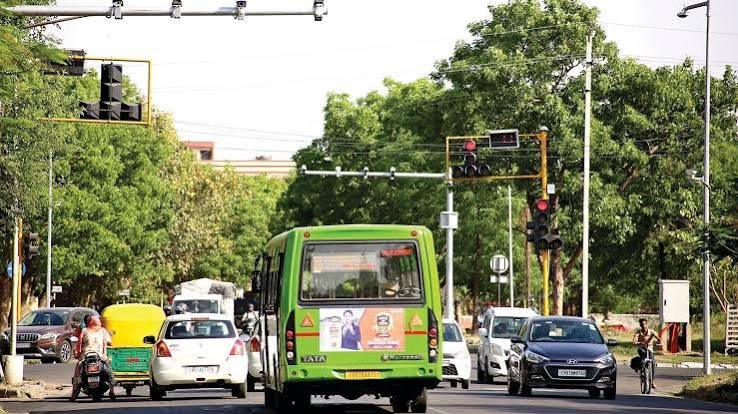
One of the biggest changes is the rollout of the Bengaluru Adaptive Traffic Control System (BATCS). Unlike conventional traffic lights that operate on fixed timers, adaptive signals adjust green and red light durations based on real-time traffic density captured through cameras and sensors.
The system continuously analyzes vehicle movement at major junctions and automatically modifies signal timings to reduce waiting time. This allows busy intersections to receive longer green signals when traffic volumes increase, while quieter roads are not left waiting unnecessarily.
Initial deployments have shown improvements in traffic movement at several major junctions. Officials expect the technology to become increasingly effective as more intersections are integrated into the network, allowing the system to coordinate traffic across larger parts of the city rather than treating each junction independently.
Intelligent Traffic Monitoring Improves Road Safety
Beyond traffic signals, Bengaluru has expanded its Intelligent Traffic Management System with Automatic Number Plate Recognition (ANPR) cameras, Red Light Violation Detection cameras, and high-definition surveillance systems.
These cameras automatically identify traffic violations such as jumping signals, speeding, riding without helmets, and driving in restricted lanes. Instead of depending solely on manual enforcement, the system enables automated detection and electronic challans for many offences.
The integrated monitoring platform also helps authorities identify stolen vehicles, track repeat offenders, and respond more quickly to incidents affecting traffic movement. Continuous digital monitoring provides traffic police with better situational awareness across the city.
Data Analytics Is Helping Traffic Police Make Better Decisions
Modern traffic management is no longer limited to controlling signals. Bengaluru’s system collects large volumes of traffic data every day, allowing officials to identify congestion hotspots, monitor travel times, and understand peak-hour traffic patterns.
This information supports better planning for road diversions, infrastructure upgrades, and traffic management during festivals, public events, or emergencies. Instead of reacting only after congestion develops, authorities can increasingly anticipate problem areas and deploy resources proactively.
Experts believe that combining AI with real-time analytics will help cities make more efficient use of existing road infrastructure without immediately requiring expensive road expansion projects.
Benefits for Daily Commuters and Public Transport
For Bengaluru residents, smarter traffic management could mean shorter travel times, fewer unnecessary signal stops, and more reliable journeys. Public transport, including buses and emergency vehicles, also stands to benefit when traffic flows more efficiently.
Adaptive signal systems can improve intersection efficiency, particularly during peak office hours when vehicle volumes fluctuate rapidly. Faster traffic movement also contributes to lower fuel consumption and reduced vehicle emissions caused by prolonged idling.
Although technology cannot completely eliminate congestion in a rapidly growing city, it can improve how available road space is utilized. Success will also depend on motorists following traffic rules and cooperating with enforcement measures.
Challenges That Still Need Attention
Despite these technological upgrades, Bengaluru continues to face significant traffic challenges. Rapid urban expansion, increasing vehicle ownership, road construction, and bottlenecks remain major contributors to congestion.
Technology alone cannot solve every problem. Smart traffic systems perform best when supported by better public transport, improved road infrastructure, disciplined driving behaviour, and coordinated urban planning.
Authorities also need to ensure that smart systems remain properly maintained, regularly updated, and capable of adapting to future traffic growth. Continued investment in digital infrastructure and data integration will be essential for achieving long-term improvements in mobility.
Looking Ahead
Bengaluru’s move toward intelligent traffic management reflects a broader shift taking place in Indian cities as technology becomes central to urban governance. AI-powered traffic signals, automated enforcement, and real-time analytics are gradually transforming how roads are managed.
While commuters may not notice every technological change immediately, these systems work continuously behind the scenes to optimize signal timings, improve enforcement, and support quicker responses to congestion. As more intersections become connected through adaptive traffic control, Bengaluru’s daily commute could become more efficient and predictable in the years ahead.
Key Takeaways
- AI-powered adaptive traffic signals adjust timings according to real-time traffic conditions.
- Intelligent cameras help automate traffic enforcement and improve road safety.
- Data analytics allows traffic police to identify congestion and respond more effectively.
- Smart traffic technology complements, but does not replace, better infrastructure and responsible driving.
Frequently Asked Questions
Q1. What is Bengaluru’s Adaptive Traffic Control System?
It is an AI-based traffic signal system that adjusts signal timings using real-time traffic data instead of fixed schedules.
Q2. How do ANPR cameras improve traffic management?
Automatic Number Plate Recognition cameras identify vehicles, detect traffic violations, assist in issuing e-challans, and help locate stolen vehicles.
Q3. Will smart traffic signals completely eliminate traffic jams?
No. They can reduce delays and improve traffic flow, but congestion also depends on road capacity, infrastructure, public transport, and driver behaviour.
Q4. How do commuters benefit from intelligent traffic management?
Commuters may experience shorter waiting times at signals, smoother traffic movement, improved road safety, and more predictable travel during peak hours.
(Internal keyword suggestions: Bengaluru traffic management, Bengaluru smart traffic system, AI traffic signals Bengaluru, adaptive traffic control system, Bengaluru Traffic Police, intelligent traffic management system, ANPR cameras Bengaluru, Bengaluru road safety, smart city traffic technology, Bengaluru traffic updates)