































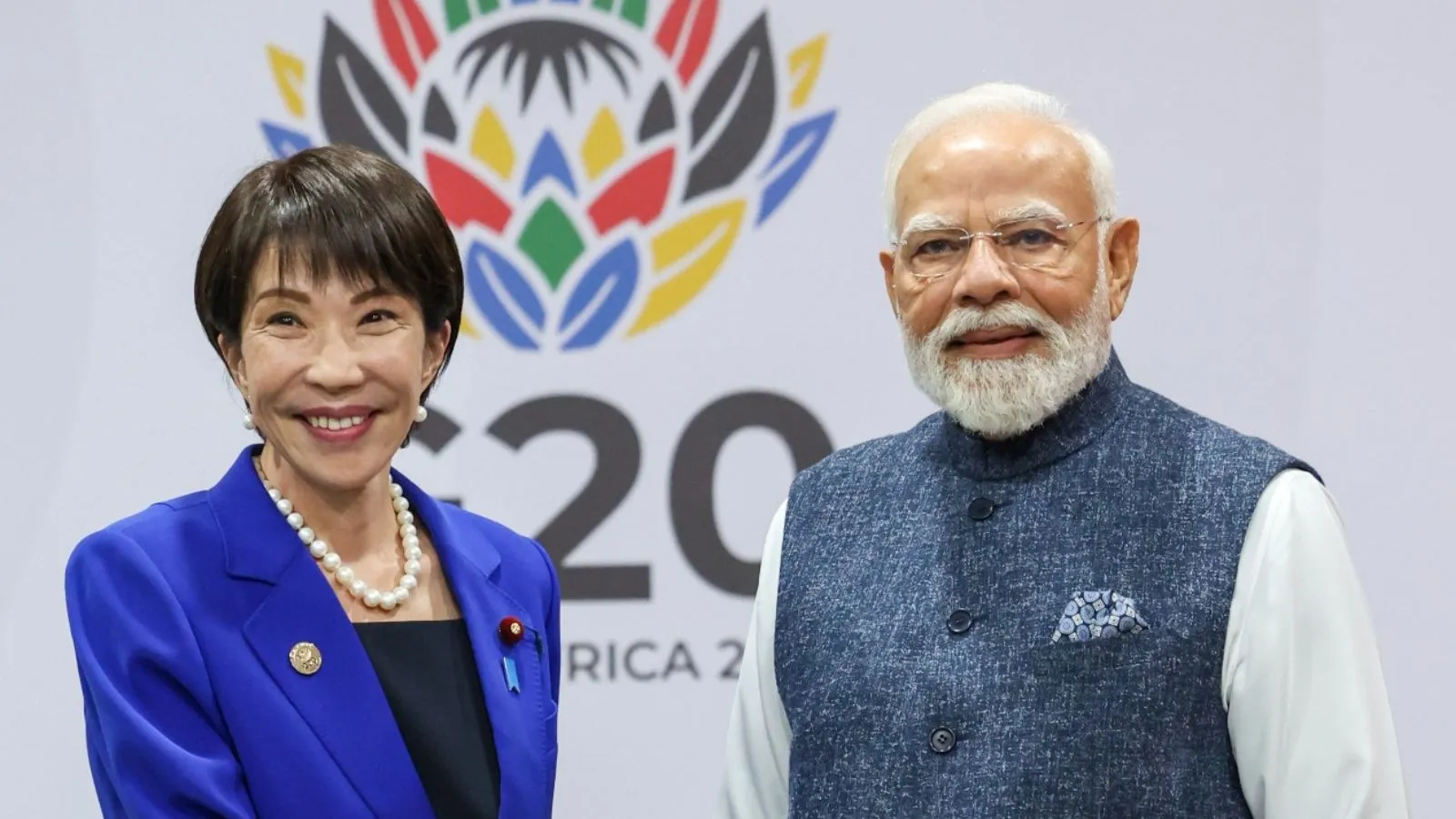
The 16th India-Japan Annual Summit has placed technology, clean energy, semiconductor cooperation and investment at the centre of bilateral discussions. The meeting is expected to strengthen economic ties while creating new opportunities for Indian businesses, skilled workers and investors.
The India-Japan Summit 2026 has emerged as one of the most significant diplomatic and economic events of the year. Held in New Delhi, the annual summit brings together Prime Minister Narendra Modi and Japanese Prime Minister Sanae Takaichi to review bilateral cooperation and announce new initiatives across technology, manufacturing, infrastructure, clean energy and strategic sectors. The discussions are expected to influence future investments, employment opportunities and industrial development in India.
Technology and Semiconductor Cooperation Take Centre Stage
One of the biggest focus areas at this year’s summit is cooperation in advanced technologies. India and Japan are expanding collaboration in artificial intelligence, semiconductor manufacturing, digital infrastructure and critical technologies that are becoming increasingly important for global supply chains.
Both countries are looking to reduce dependence on limited manufacturing hubs by building more resilient supply chains. Japan has already emerged as one of India’s major strategic investors, and semiconductor manufacturing is expected to become a key pillar of future cooperation.
The discussions also include cybersecurity, digital innovation and research partnerships between government agencies, industries and academic institutions. These initiatives are aimed at improving technological capabilities while supporting India’s ambition of becoming a global manufacturing and innovation hub.
Investment Commitments Could Create New Jobs
Japanese investment continues to play an important role in India’s economic growth. During previous bilateral discussions, Japan committed to significantly increasing private investment in India over the coming decade, and the current summit is expected to build upon those commitments through new projects and business partnerships.
Around 1,400 Japanese companies already operate in India across sectors such as automobiles, electronics, manufacturing, engineering and financial services. New investments could support additional employment opportunities in industrial corridors, logistics, advanced manufacturing and technology services.
Business leaders from both countries are also participating in investment discussions alongside the summit, highlighting the growing role of private industry in strengthening economic ties.
Clean Energy and LNG Security Gain Importance
Energy security has become another major theme of the India-Japan Summit 2026.
Both countries are expected to strengthen cooperation in clean energy technologies, green hydrogen, renewable energy and low-carbon industrial development. An important development is the proposed liquefied natural gas security agreement, which aims to improve long-term energy cooperation amid continuing global supply chain uncertainties.
Japan’s expertise in energy-efficient technologies and India’s rapidly growing energy demand make this partnership strategically important. Collaboration in battery technology, clean mobility and sustainable infrastructure could also create fresh investment opportunities over the coming years.
Why the Summit Matters for Indian Businesses and Professionals
The impact of the summit extends beyond government-level diplomacy.
Small and medium enterprises may benefit from stronger supply chain integration with Japanese manufacturers. Engineering firms, technology companies and startups could find new opportunities through research collaborations and industrial partnerships.
For professionals, growing cooperation in artificial intelligence, semiconductor manufacturing, robotics and clean energy may increase demand for engineers, software developers, data scientists, project managers and skilled manufacturing workers.
Educational institutions may also benefit through expanded academic exchanges and skill development programmes, helping prepare India’s workforce for emerging industries.
As India continues positioning itself as a preferred destination for global manufacturing and technology investment, closer cooperation with Japan supports that long-term objective.
Strategic Partnership Beyond Trade
Although economic cooperation remains a major priority, the summit also reflects the broader strategic partnership between India and Japan.
Both nations continue to work together on regional security, resilient supply chains and a free and open Indo-Pacific. These shared priorities have strengthened bilateral relations over the past decade and continue to shape discussions at the annual summit.
The 2026 summit demonstrates that the partnership is evolving beyond traditional infrastructure projects into emerging sectors such as advanced manufacturing, artificial intelligence, critical minerals and next-generation technologies.
As official discussions conclude and joint announcements are implemented, businesses, investors and skilled professionals across India will closely watch how these agreements translate into real economic opportunities over the coming years.
Key Takeaways
- The India-Japan Summit 2026 focuses on technology, semiconductors, clean energy and investment.
- Japanese investment is expected to support manufacturing growth and employment opportunities in India.
- Artificial intelligence, critical minerals and resilient supply chains are among the key areas of cooperation.
- The partnership is expanding from infrastructure projects to advanced technology and economic security.
FAQs
Q1. What is the India-Japan Summit 2026?
It is the 16th annual summit between India and Japan, where leaders review bilateral relations and announce cooperation across technology, trade, investment, infrastructure and strategic sectors.
Q2. Which industries are expected to benefit the most?
Semiconductors, artificial intelligence, manufacturing, clean energy, digital infrastructure, logistics and advanced engineering are expected to see increased cooperation.
Q3. How could the summit affect employment in India?
Greater Japanese investment may create jobs in manufacturing, technology, research, engineering, renewable energy and industrial development through new business projects.
Q4. Why is Japan an important economic partner for India?
Japan is one of India’s leading investors and has supported major infrastructure projects while expanding cooperation in manufacturing, technology, finance and sustainable development.