






























A viral government office chai break reel has sparked widespread memes and serious workplace discussions across India. The clip has reignited conversations around productivity, work culture, and everyday realities in public sector offices, especially among younger audiences online.
The government office chai break reel has gone viral across India, drawing attention to a familiar scene where employees pause work for tea breaks. Shared widely on Instagram, the video has triggered both humor and debate, with users questioning whether such breaks reflect inefficiency or a deeply rooted part of workplace culture.
Viral Reel Highlights Everyday Government Office Culture
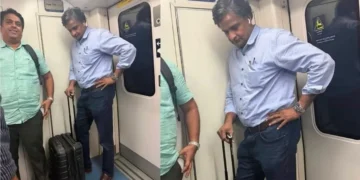
The viral government office chai break reel captures a moment that many Indians instantly recognize. A group of employees casually stepping away from their desks for tea has become the focal point of online discussions. The clip does not show anything unusual, which is exactly why it resonated with viewers.
Government offices across India have long been associated with structured routines that include regular tea breaks. These breaks are often seen as informal spaces for discussion, coordination, and even decision-making. While the video presents this in a light-hearted way, it has opened up a larger conversation about how public offices function on a daily basis.
The relatability factor has driven engagement. Users from different regions, including Tier-2 cities, have shared similar experiences, making the video trend beyond its original context.
Memes vs Reality in Workplace Productivity Debate
Following the viral spread of the government office chai break reel, social media has been flooded with memes. Many posts exaggerate the frequency and duration of chai breaks, portraying them as a symbol of inefficiency. However, the reality is more nuanced.
Tea breaks are a common practice in both public and private sectors. In many offices, these short pauses serve as mental refreshers that can improve focus and reduce fatigue. Workplace studies globally suggest that brief breaks can enhance productivity rather than reduce it.
At the same time, public perception of government offices has historically been shaped by concerns around delays and bureaucracy. The viral reel has tapped into these existing narratives, leading to a mix of humor and criticism.
Digital Platforms Amplify Public Reactions
The speed at which the government office chai break reel gained traction highlights the influence of platforms like YouTube and Instagram in shaping public discourse. Short videos that capture relatable moments often become viral because they require little context.
Users have not only shared memes but also personal opinions and workplace comparisons. Some have defended chai breaks as part of Indian work culture, while others have called for more accountability in public offices.
This trend reflects how digital conversations can quickly move from entertainment to serious discussion. What starts as a humorous clip often evolves into a broader debate about systems, habits, and expectations.
Chai Break Culture in Indian Workspaces
The concept of a chai break is deeply embedded in Indian workplace culture. Whether in government offices, private companies, or small businesses, tea breaks are seen as an opportunity to pause, connect, and recharge.
In many cases, these breaks also serve as informal communication channels where colleagues exchange ideas and updates. This aspect is rarely visible in viral clips but plays an important role in daily operations.
In Tier-2 and Tier-3 cities, where work environments may be less formal compared to metropolitan offices, such practices are even more common. The viral reel has brought this cultural aspect into the spotlight, prompting people to reconsider whether these breaks are a problem or simply a different way of working.
Changing Expectations in the Digital Age
The government office chai break reel also reflects changing expectations among younger professionals. With increasing exposure to fast-paced digital work environments, there is a growing emphasis on efficiency and measurable output.
This shift is influencing how traditional practices are perceived. While older generations may view chai breaks as normal, younger audiences often question their impact on productivity.
At the same time, the conversation is not one-sided. Many users argue that work culture cannot be judged solely based on short clips. They emphasize the need to understand context before drawing conclusions.
The debate ultimately highlights a transition phase where traditional work habits are being reassessed in the light of modern expectations.
Takeaways
• The government office chai break reel has gone viral due to its relatable workplace scenario
• Social media has turned the clip into a mix of memes and serious productivity debates
• Chai breaks are a longstanding part of Indian work culture across sectors
• The discussion reflects changing expectations in the digital and fast-paced work environment
FAQs
Why did the government office chai break reel go viral
The video captured a relatable moment from everyday office life, which resonated with a wide audience and sparked discussions online.
Are chai breaks common in Indian workplaces
Yes, chai breaks are a common practice in both government and private offices and are often seen as a way to refresh and socialize.
Do tea breaks affect productivity
Short breaks can improve focus and reduce fatigue, but excessive or poorly managed breaks may impact efficiency.
Why are people debating this issue online
The viral clip has revived existing perceptions about government work culture, leading to both humor and serious discussions.