





















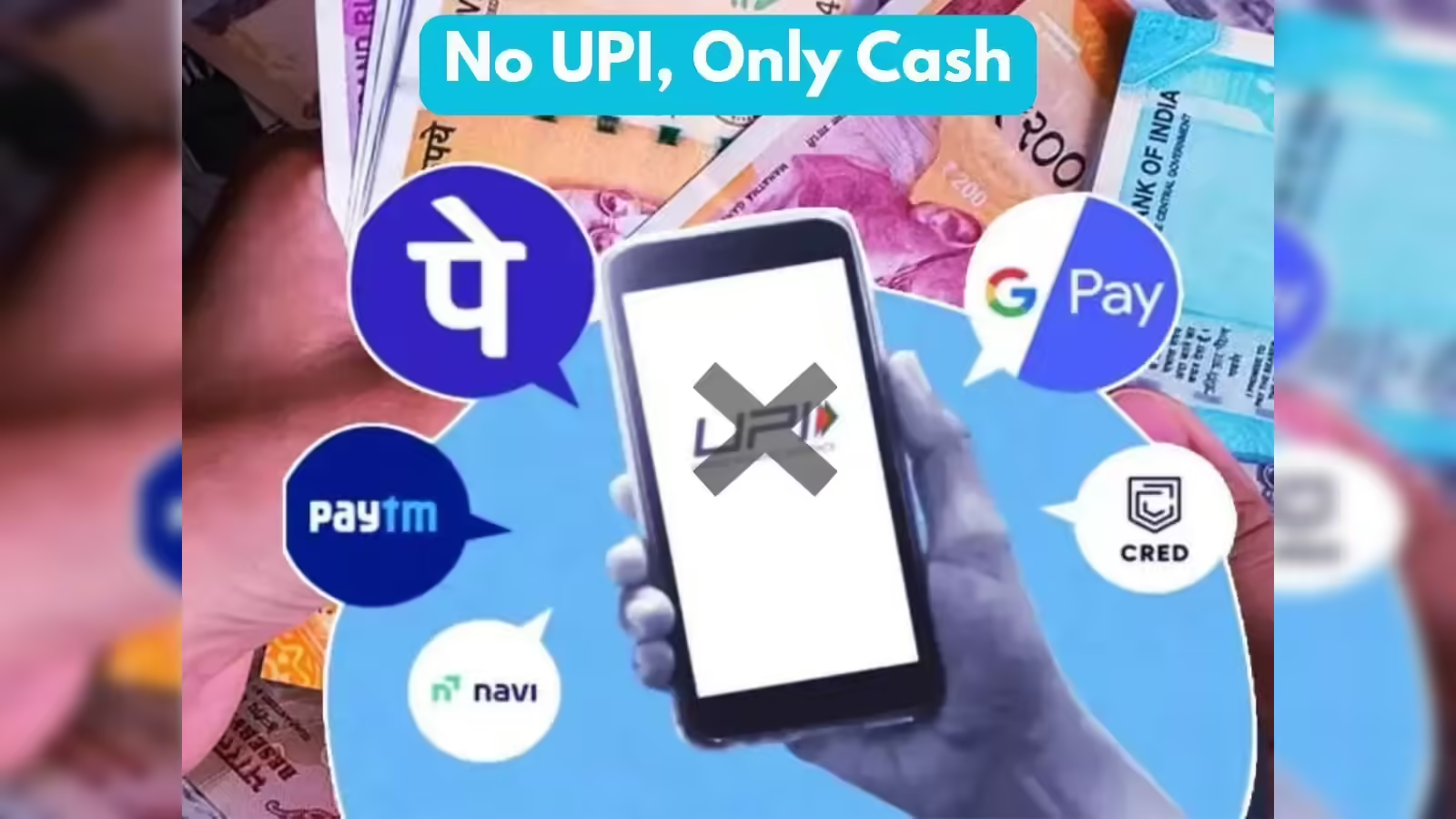
A street vendor’s UPI only no cash sign has gone viral, triggering both humor and serious discussion about India’s rapid shift to digital payments. The incident highlights how even small vendors are reshaping everyday transactions across cities and towns.
The street vendor’s UPI only no cash sign has quickly become a talking point across India, reflecting how digital payments have entered even the most informal parts of the economy. Shared widely on Instagram, the image of a vendor refusing cash payments has sparked mixed reactions, from amusement to deeper reflections on the country’s digital transformation.
Viral Moment Reflects Ground Reality of Digital Payments
The viral post shows a local street vendor displaying a simple message asking customers to pay only via UPI. What might have seemed unusual a few years ago is now increasingly common in many parts of India. From tea stalls to fruit sellers, small vendors are adopting QR code payments as a primary method.
The rise of UPI, led by systems like National Payments Corporation of India, has made real-time transactions fast and accessible. With just a smartphone and a QR code, vendors can receive payments instantly without handling physical cash.
This shift is particularly visible in Tier-2 and Tier-3 cities, where digital adoption has grown rapidly due to affordable internet and widespread smartphone usage. The viral sign has simply brought attention to a change that has been happening steadily on the ground.
Why Small Vendors Are Choosing UPI Over Cash
The preference for UPI over cash among street vendors is driven by practical reasons. Digital payments reduce the risk of theft and eliminate the need to manage change, which can often be a challenge in busy markets.
Another advantage is transaction tracking. Vendors can maintain a clear record of daily earnings without manual bookkeeping. This can be useful for managing finances or even applying for small business loans, as digital history creates a form of financial visibility.
Popular apps like Google Pay and PhonePe have simplified the process further. With user-friendly interfaces and quick confirmations, both vendors and customers find the system efficient.
However, the shift is not without challenges. Dependence on internet connectivity and occasional technical glitches can disrupt transactions, especially in crowded areas.
Humor Meets Reality on Social Media
The street vendor’s UPI only no cash sign has generated a wave of memes and humorous reactions online. Many users joked about situations where customers carrying only cash might be turned away, while others shared similar experiences from their own cities.
At the same time, the conversation has taken a serious turn. Users are discussing whether a fully cashless approach is practical in a country as diverse as India. While urban areas have adapted quickly, some regions still rely heavily on cash due to limited digital access.
Platforms like YouTube and Instagram have amplified these discussions, turning a simple signboard into a symbol of India’s evolving payment habits.
Digital India Push and Changing Consumer Behavior
The viral incident aligns with the broader Digital India initiative, which aims to promote cashless transactions and financial inclusion. Over the past few years, UPI has become one of the most widely used payment systems globally in terms of transaction volume.
Consumers are also adapting to this shift. Many people now prefer digital payments for their convenience and speed. Carrying less cash is seen as safer and more practical, especially in urban settings.
In Tier-2 cities, this change is particularly noticeable. Local markets that once depended entirely on cash now display QR codes at almost every stall. The vendor’s sign is not an exception but an example of how deeply digital payments have penetrated everyday life.
What This Trend Means for India’s Economy
The street vendor’s UPI only no cash sign reflects a larger transformation in India’s economy. As more transactions move online, there is greater transparency and efficiency in financial systems.
For small vendors, digital payments open new opportunities. They can participate more actively in the formal economy, access credit, and expand their businesses. For consumers, the shift means faster and more convenient transactions.
At the same time, experts emphasize the need for balance. Cash still plays an important role, especially in areas with limited digital infrastructure. A hybrid approach that includes both digital and cash options may remain the most practical solution in the near future.
Takeaways
• The UPI only no cash sign highlights the growing adoption of digital payments among street vendors
• Small businesses prefer UPI for convenience, safety, and transaction tracking
• Social media has turned the incident into both a humorous trend and a serious discussion
• The shift reflects broader changes under India’s digital economy and payment systems
FAQs
Why did the UPI only no cash sign go viral
The sign captured a surprising yet relatable shift where even small vendors are prioritizing digital payments over cash.
Is it common for vendors to accept only UPI in India
While not universal, it is becoming increasingly common in cities and towns where digital payment adoption is high.
What are the benefits of UPI for street vendors
UPI offers instant payments, reduces the need for change, and provides a digital record of transactions.
Are there any drawbacks to UPI-only payments
Yes, issues like internet connectivity and technical glitches can sometimes disrupt transactions.