






























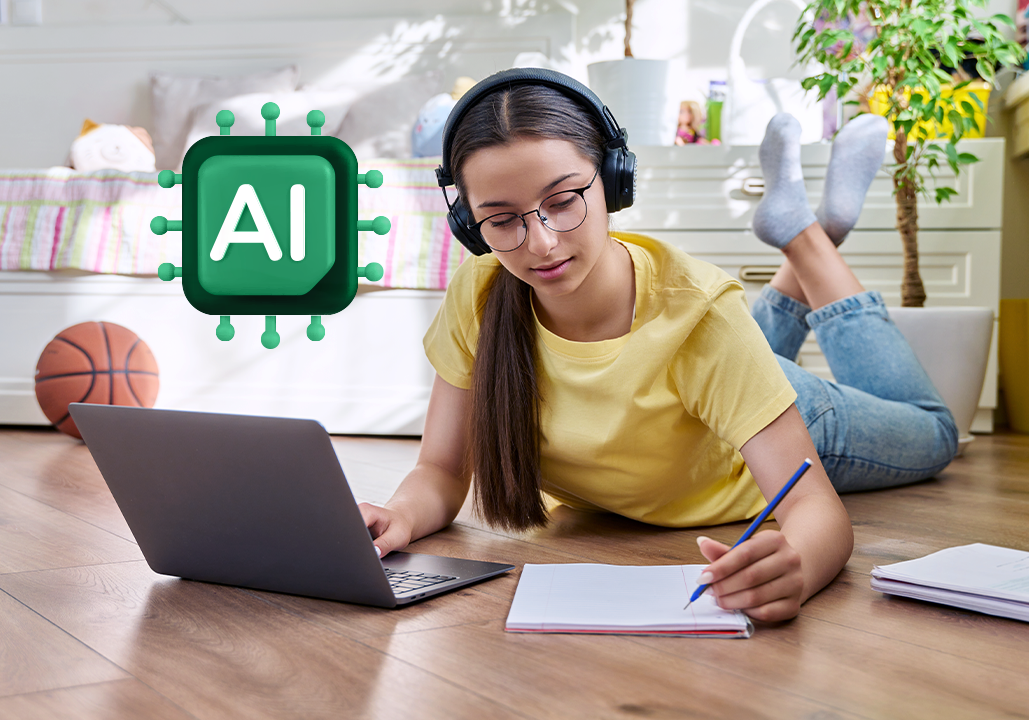
A viral video showing school students using ChatGPT for homework has triggered a nationwide discussion among parents and educators. The trend raises questions about learning habits, academic honesty, and how schools should respond to growing use of AI tools.
The viral video of students using ChatGPT for homework has quickly gained attention across India, turning into a larger debate about education and technology. Shared widely on Instagram, the clip shows students relying on AI tools to complete assignments, prompting mixed reactions from parents, teachers, and academic experts.
Viral Video Highlights Changing Study Habits Among Students
The viral video of students using ChatGPT for homework reflects a shift in how students approach learning tasks. Instead of traditional methods like textbooks or handwritten notes, many students are now turning to AI-powered tools for quick answers and structured responses.
This trend is not limited to metropolitan cities. In Tier-2 and Tier-3 regions, increased smartphone access and affordable internet have made such tools widely available. Students are experimenting with AI to simplify homework, generate essays, and even solve complex problems.
While the video itself is brief, its impact lies in how relatable it feels to a growing number of households. Parents watching the clip recognize that this is no longer an isolated case but an emerging pattern in student behavior.
Why Students Prefer AI Tools for Homework Assistance
One of the main reasons students are using ChatGPT for homework is convenience. AI tools can provide instant answers, explanations, and even step-by-step solutions, saving time compared to traditional research methods.
Another factor is accessibility. Unlike private tuition or coaching classes, AI tools are often free or low-cost, making them attractive to students across different economic backgrounds. This is particularly relevant in smaller cities where access to academic support may be limited.
Students also view AI as a learning aid rather than a shortcut. Some use it to understand concepts better, ask follow-up questions, and refine their answers. However, the line between assistance and over-reliance can sometimes become unclear.
Parental Concerns Around Academic Integrity and Learning
The viral video of students using ChatGPT for homework has raised concerns among parents about academic integrity. Many worry that students may submit AI-generated answers without fully understanding the subject.
There is also a fear that overuse of AI could reduce critical thinking and problem-solving skills. Parents question whether students will develop the ability to research, analyze, and write independently if they rely heavily on automated tools.
At the same time, some parents take a more balanced view. They see AI as part of a broader digital shift and believe that completely restricting its use may not be practical. Instead, they advocate for guided usage and clear boundaries.
Educators and Schools Respond to AI in Classrooms
The growing use of AI tools like ChatGPT is prompting schools and educators to rethink teaching and assessment methods. Some institutions are exploring ways to integrate AI into learning rather than banning it outright.
For example, teachers are encouraging students to use AI for brainstorming or initial drafts, followed by personal edits and classroom discussions. This approach aims to combine technological benefits with traditional learning outcomes.
Others are revising assignment formats to include more in-class activities, oral presentations, and practical tasks that are harder to replicate using AI. The goal is to ensure that students engage actively with the material.
This shift indicates that education systems are beginning to adapt to technological changes rather than resist them completely.
Social Media Amplifies the Debate Nationwide
The role of social media in amplifying the viral video of students using ChatGPT for homework has been significant. Platforms like YouTube and Instagram have turned a single clip into a nationwide conversation.
Users are sharing personal experiences, opinions, and even tips on how students should use AI responsibly. Some posts highlight creative uses of AI in education, while others warn against its misuse.
This online discussion reflects a broader societal question about how technology should be integrated into daily life. As AI becomes more common, such debates are likely to continue across different sectors.
What This Means for the Future of Education
The viral video of students using ChatGPT for homework highlights a turning point in education. Technology is no longer just a supplementary tool but an active participant in the learning process.
For students, this means new opportunities as well as new responsibilities. They need to learn how to use AI effectively without compromising their understanding of subjects.
For parents and educators, the challenge lies in creating a balanced approach. Encouraging responsible use while maintaining academic standards will be key to navigating this transition.
The debate is not about whether AI should be used, but how it should be used in a way that supports genuine learning.
Takeaways
• The viral video shows growing use of AI tools like ChatGPT among students for homework
• Parents are concerned about academic integrity and reduced critical thinking
• Educators are exploring ways to integrate AI into teaching methods
• Social media has turned the issue into a nationwide discussion on education and technology
FAQs
Why are students using ChatGPT for homework
Students use AI tools for quick answers, explanations, and convenience, especially when working on assignments.
Is using AI for homework considered cheating
It depends on how it is used. Guided assistance can be helpful, but submitting AI-generated work without understanding may raise academic concerns.
How are schools responding to AI tools
Some schools are adapting by integrating AI into learning, while others are modifying assessment methods to ensure genuine student effort.
Can AI improve student learning
Yes, when used responsibly, AI can support understanding and provide additional learning resources.