






























Severe storms in Uttar Pradesh have claimed more than 100 lives, making this one of the deadliest weather events in the state this year. Heavy rain, lightning, and strong winds caused widespread damage, while relief teams continue rescue and compensation efforts across affected districts.
What Happened During the Uttar Pradesh Storms
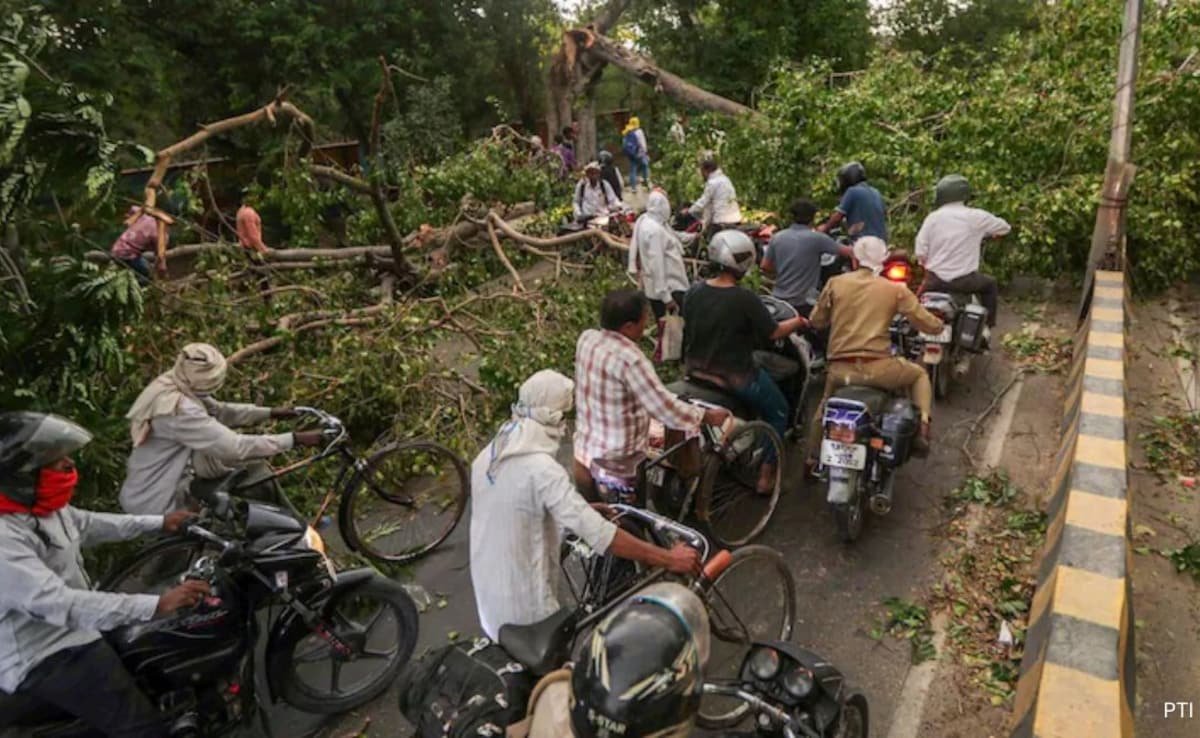
The recent spell of severe storms in Uttar Pradesh brought intense thunderstorms, gusty winds, lightning strikes, and localized rainfall to several districts. Weather conditions worsened over multiple days, causing houses to collapse, trees and electric poles to fall, and agricultural fields to suffer extensive damage.
Districts in eastern and central Uttar Pradesh were among the worst affected. Rural areas saw the highest casualties, largely due to lightning strikes and structural collapses involving kutcha houses and temporary shelters.
The India Meteorological Department had issued thunderstorm and lightning warnings for parts of northern India, including Uttar Pradesh, as unstable weather conditions developed ahead of the monsoon season.
Death Toll Crosses 100 as Casualties Continue to Rise
Officials reported that the death toll from the severe storms in Uttar Pradesh has crossed 100, although final numbers may change as district administrations complete their assessments.
Most fatalities were linked to lightning strikes, while others resulted from wall collapses, falling trees, and storm-related accidents. Several people also sustained injuries and were admitted to local hospitals.
Natural disasters such as thunderstorms often have a disproportionate impact on farmers, laborers, and residents of vulnerable housing. Many victims were outdoors when the storms struck or were inside structures unable to withstand strong winds.
District Administrations Launch Relief and Rescue Efforts
The Uttar Pradesh State Disaster Management Authority, local administrations, and emergency services were deployed to conduct rescue operations and assess damage.
Teams cleared blocked roads, restored electricity supply, and helped affected families relocate to safer areas. Compensation procedures were initiated for the families of those who lost their lives, in line with state disaster relief norms.
Officials also directed district authorities to expedite surveys of crop losses and damaged homes to ensure eligible families receive financial support without delay.
Impact on Farmers, Crops, and Rural Infrastructure
The severe storms have caused significant losses for farmers in several districts.
Standing crops such as wheat, vegetables, and fodder suffered damage from strong winds and unseasonal rain. In some areas, irrigation infrastructure and farm equipment were also affected.
Beyond agriculture, rural roads, electricity lines, and water supply systems experienced disruption. Repair work is underway, but restoration may take time in villages where infrastructure damage is extensive.
For many households, the economic impact extends beyond immediate property loss, affecting income and livelihood for the coming weeks.
Weather Alerts and Safety Measures for Residents
The India Meteorological Department continues to monitor conditions and issue forecasts for thunderstorms and lightning.
Residents are advised to remain indoors during storm warnings, avoid sheltering under trees, and unplug electrical appliances during lightning activity. Farmers and outdoor workers should track official alerts before heading to fields.
State authorities have urged people to follow district advisories and report emergencies to local control rooms.
Why Lightning Is a Major Risk in India
India records thousands of lightning-related deaths each year, particularly during the pre-monsoon and monsoon periods.
Lightning is especially dangerous in open fields, where farmers and laborers are often exposed. Rapid weather changes can leave little time to seek safe shelter.
Public awareness campaigns and better access to real-time weather alerts have improved preparedness, but fatalities remain a significant concern in states with large rural populations.
Key Takeaways
- Severe storms in Uttar Pradesh have caused more than 100 deaths.
- Lightning strikes and house collapses were the leading causes of fatalities.
- Relief operations and compensation processes are underway.
- Farmers have suffered losses to crops and rural infrastructure.
Frequently Asked Questions
What caused the deaths in Uttar Pradesh?
Most fatalities were caused by lightning strikes, collapsing walls, and falling trees during severe thunderstorms.
Which areas were most affected?
Several districts in eastern and central Uttar Pradesh reported the highest casualties and damage.
What relief is being provided?
State authorities are conducting rescue operations and offering compensation to affected families.
Are more storms expected?
Weather agencies continue to issue alerts, and residents should monitor official forecasts for updates.