































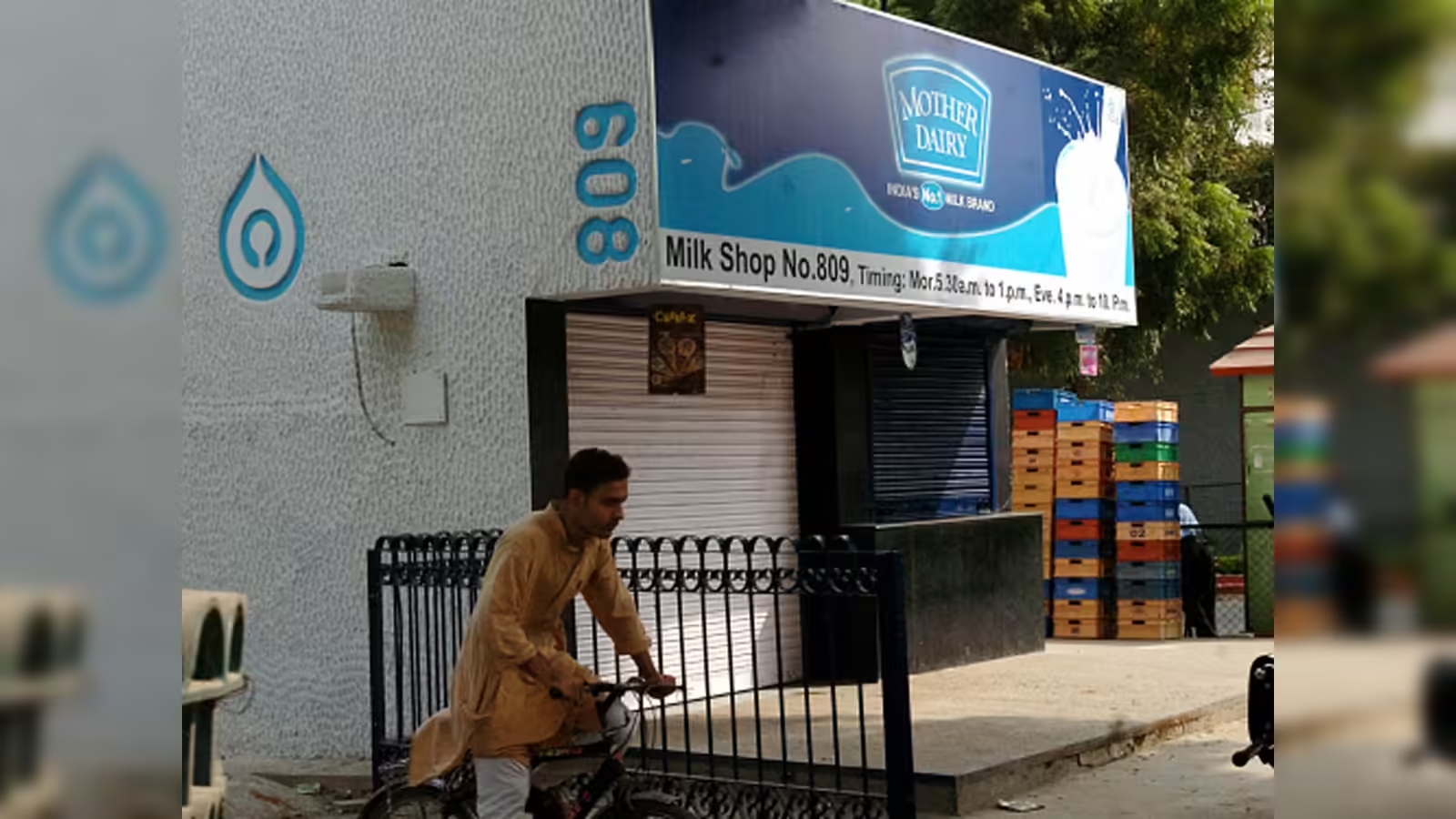
Milk prices have increased by ₹2 per litre in several Indian cities, including Mumbai, Nagpur, Pune, and Delhi. The latest revision affects household budgets, food businesses, and daily grocery expenses, especially for families that rely on milk as a staple item.
Why Milk Prices Have Increased Across Major Indian Cities
The milk price hike is a time-sensitive news development driven by higher procurement and distribution costs. Dairy cooperatives and private milk suppliers have cited rising cattle feed prices, transportation expenses, labor costs, and packaging charges as the main reasons behind the increase.
Feed costs for cows and buffaloes have remained elevated over the past year, while fuel prices continue to influence logistics expenses. In addition, heatwave conditions in several states have affected milk production, reducing supply in some regions.
Major dairy brands such as Amul, Mother Dairy, and Mahanand periodically revise prices to maintain procurement from farmers and ensure steady supply to consumers.
How the ₹2 Per Litre Hike Affects Household Budgets
A ₹2 increase may appear modest, but the impact becomes meaningful over a month.
A family purchasing two litres of milk per day will now spend an additional ₹4 daily, or roughly ₹120 more each month. For larger households or families with children, monthly spending can rise further.
Milk is also used in tea, coffee, curd, paneer, sweets, and infant nutrition. As a result, the price hike affects more than just the cost of a single grocery item.
For households already managing higher costs for vegetables, school fees, electricity, and fuel, this additional expense adds to overall inflation pressure.
Impact on Local Businesses and Food Vendors
The increase in milk prices is likely to affect tea stalls, cafes, sweet shops, and bakeries.
Businesses selling products such as chai, lassi, kulfi, paneer, and desserts may either absorb the higher cost temporarily or raise prices slightly. Even a ₹1 to ₹2 increase in a cup of tea can become common if milk prices remain elevated.
In cities like Mumbai, Pune, Nagpur, and Delhi, where milk consumption is high, the effect may be visible across both households and small businesses.
Why Dairy Companies Revise Prices Periodically
Milk pricing depends on a balance between farmer payments and consumer affordability.
Dairy companies purchase raw milk from farmers and must ensure that producers receive viable prices to cover feed, veterinary care, and labor costs. If procurement prices are not revised, farmers may reduce supply or shift to other agricultural activities.
At the same time, processors face expenses related to pasteurization, packaging, cold-chain storage, and distribution.
Periodic price increases are therefore used to sustain the supply chain while ensuring continued milk availability in urban markets.
What Consumers Can Do to Manage Rising Grocery Costs
Consumers can take a few practical steps to reduce the impact of the milk price hike.
Buying only what is needed and minimizing wastage can help. Households that use milk for cooking may also compare prices across brands and pack sizes.
Some consumers may shift to local dairy suppliers if quality and reliability are satisfactory. Others may adjust spending in non-essential categories to offset higher grocery bills.
The increase is relatively small, but when combined with other cost pressures, careful budgeting becomes more important.
Will Milk Prices Rise Further?
Future milk prices will depend on monsoon conditions, fodder availability, fuel costs, and overall inflation.
A favorable monsoon could improve feed supply and support stable milk production, which may reduce pressure on prices. However, if input costs remain high, additional revisions cannot be ruled out.
For now, consumers in Mumbai, Nagpur, Pune, and Delhi should expect to pay ₹2 more per litre and adjust their monthly budgets accordingly.
Key Takeaways
- Milk prices have increased by ₹2 per litre in several Indian cities.
- Higher feed, transport, and packaging costs are driving the revision.
- Families buying milk daily may spend around ₹120 more per month.
- Tea stalls, sweet shops, and cafes may also raise prices.
Frequently Asked Questions
Why did milk prices increase?
Dairy companies cited higher cattle feed, transportation, labor, and packaging costs.
How much more will a family spend monthly?
A household consuming two litres per day may spend about ₹120 extra per month.
Which cities are affected?
Consumers in Mumbai, Nagpur, Pune, Delhi, and other cities are seeing revised prices.
Could milk prices increase again?
Yes. Future changes will depend on input costs, weather conditions, and supply trends.