





























The debate around budget vs flagship smartphones in 2026 is becoming more relevant as mid range devices close the performance gap. Buyers are increasingly questioning whether expensive phones offer enough real world value over affordable alternatives.
Budget vs Flagship Smartphones Understanding the Core Difference
The comparison of budget vs flagship smartphones is essential for buyers in India where price sensitivity plays a major role. Budget phones typically fall under ₹20,000, while flagship devices often exceed ₹50,000.
Flagship smartphones are designed to showcase the latest technology, including premium materials, top tier processors, and advanced cameras. Budget phones, on the other hand, focus on delivering essential features at a lower cost.
However, the gap between the two categories has narrowed significantly in recent years, making the choice less straightforward.
Performance Gap Is Shrinking Rapidly
One of the biggest differences between budget and flagship phones has traditionally been performance. Flagship devices use the latest processors from companies like Qualcomm and Apple, offering faster speeds and better multitasking.
However, modern budget and mid range phones now feature capable chipsets that handle everyday tasks smoothly. Apps, social media, and even moderate gaming run efficiently on these devices.
For most users, the performance difference is noticeable only in high end gaming or intensive tasks such as video editing.
This makes budget phones sufficient for a large segment of users.
Camera Capabilities and Real World Use
Camera performance remains a key differentiator in the budget vs flagship debate. Flagship phones offer advanced camera systems with better sensors, image processing, and features like optical zoom.
Budget phones have improved significantly, offering high resolution sensors and AI enhancements. In good lighting conditions, they can deliver impressive results.
However, differences become evident in low light photography, video quality, and consistency. Flagship devices provide more reliable performance across various scenarios.
For casual users, budget cameras may be adequate, but photography enthusiasts may prefer flagship options.
Display, Build Quality, and Premium Features
Flagship smartphones typically offer superior display quality, including higher brightness, better color accuracy, and advanced technologies like AMOLED panels with high refresh rates.
Build quality is another factor. Premium materials such as glass and metal give flagship devices a more refined feel compared to plastic builds in budget phones.
Additional features like wireless charging, water resistance, and advanced security options are often limited to flagship models.
These elements contribute to the overall user experience but may not be essential for every buyer.
Battery Life and Charging Comparison
Battery performance varies across both categories. Budget phones often include larger batteries, providing longer usage times for basic tasks.
Flagship devices focus on optimization and fast charging technologies. While battery capacity may be similar, efficiency and charging speed can differ.
Some flagship phones also support wireless charging and reverse charging, adding convenience.
For users prioritizing battery life, budget phones can be a strong choice, while flagship devices offer a more balanced approach.
Software Experience and Long Term Value
Software support is an important consideration in the budget vs flagship comparison. Flagship phones typically receive longer update cycles, including security patches and new features.
Brands like Samsung and Apple are known for extended software support.
Budget phones may have shorter update timelines, which can impact long term usability. However, many brands are improving support even in lower price segments.
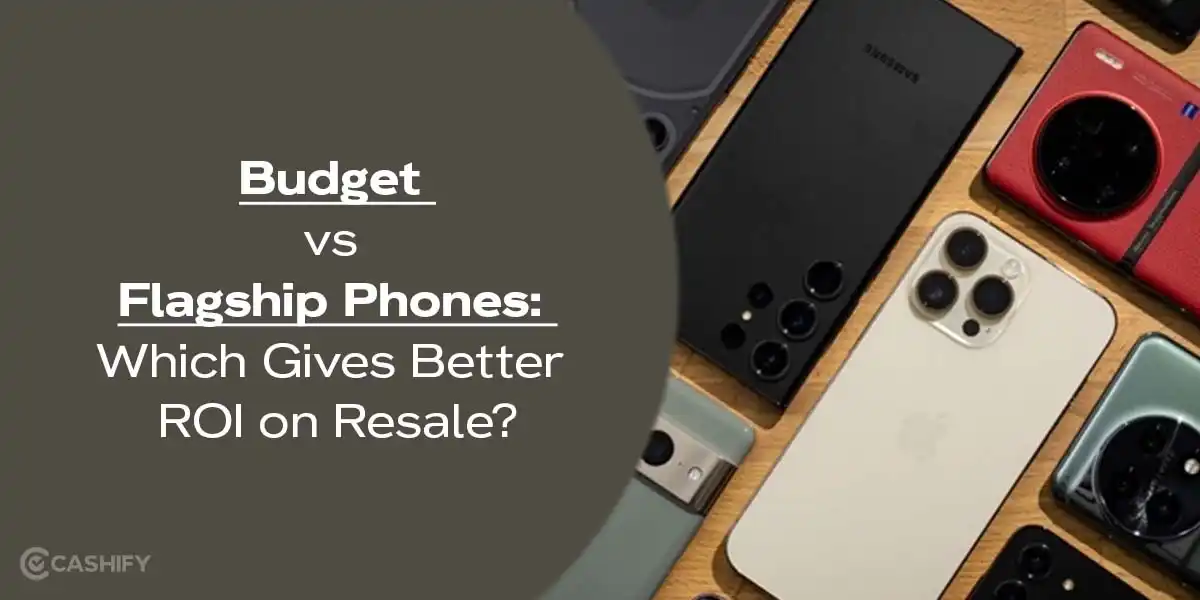
Resale value is another factor. Flagship phones generally retain value better due to brand perception and demand.
Who Should Buy Budget vs Flagship Phones
Choosing between budget and flagship phones depends on individual needs. Budget phones are ideal for users who prioritize value and basic functionality.
Students, first time smartphone users, and those with moderate usage can benefit from affordable devices without compromising essential features.
Flagship phones are better suited for users who require top performance, advanced cameras, and premium features. Professionals, content creators, and tech enthusiasts may find them worth the investment.
Understanding usage patterns is key to making the right decision.
Final Verdict on Budget vs Flagship Smartphones
The budget vs flagship debate in India shows that expensive phones are no longer necessary for most users. The improvement in mid range devices has made high performance accessible at lower prices.
Flagship phones still offer advantages in performance, camera, and premium features, but these benefits are relevant mainly for specific use cases.
For the majority of users, budget and mid range smartphones provide sufficient performance and value.
The decision ultimately comes down to priorities rather than price alone.
Takeaways
Budget phones now offer strong performance for most users
Flagship devices provide better cameras and premium features
Software support and resale value favor flagship phones
Choice depends on individual usage and priorities
FAQs
Q1. Are budget phones good enough in 2026?
Yes, they handle most everyday tasks efficiently and offer good value.
Q2. What advantages do flagship phones offer?
Better performance, cameras, build quality, and longer software support.
Q3. Is it worth spending more on a flagship phone?
It depends on usage needs such as gaming, photography, or professional tasks.
Q4. Which category is better for long term use?
Flagship phones generally last longer due to better updates and build quality.