





























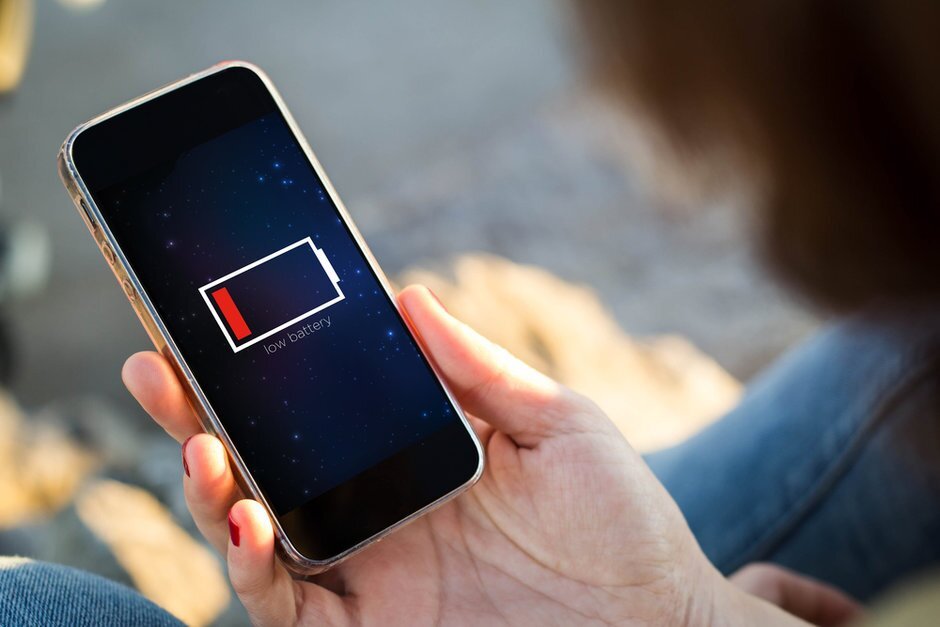
The 5G battery drain issue has become a key concern for smartphone users in India as networks expand. While 5G offers faster speeds, it can consume more power, making device optimization critical for maintaining battery life.
5G Battery Drain Issue Explained for Indian Users
The 5G battery drain issue is increasingly noticeable among users in India as telecom networks continue to expand coverage. Unlike 4G, 5G requires more power due to higher data speeds, increased bandwidth, and continuous network switching.
When smartphones connect to unstable or partially available 5G networks, they frequently switch between 4G and 5G, leading to higher battery consumption. This is particularly common in areas where 5G rollout is still developing.
As a result, users often experience faster battery depletion compared to traditional usage patterns.
Why 5G Consumes More Battery Than 4G
The core reason behind the 5G battery drain issue lies in how the technology operates. 5G radios process more data at higher speeds, which increases power usage.
Network architecture also plays a role. Non standalone 5G networks, which rely on existing 4G infrastructure, require devices to maintain connections with both networks simultaneously.
Signal strength significantly impacts battery usage. Weak signals force the device to work harder to maintain connectivity, draining the battery faster.
Background data usage, streaming, and gaming on 5G further amplify power consumption.
Smartphones That Handle 5G Battery Efficiency Better
Not all smartphones are equally affected by the 5G battery drain issue. Devices with efficient chipsets and optimized software tend to perform better.
Phones powered by newer processors from Qualcomm and MediaTek are designed to manage power consumption more effectively. Advanced fabrication processes and integrated modems help reduce energy usage.
Brands like Samsung and Apple focus on software optimization, ensuring better battery management during 5G usage.
Devices with larger batteries and adaptive network switching features also offer improved performance.
Role of Software Optimization and Updates
Software plays a crucial role in managing 5G battery drain. Operating systems are designed to optimize network usage based on user behavior and signal conditions.
Features such as adaptive connectivity automatically switch between 4G and 5G to conserve battery when high speed is not required. This helps reduce unnecessary power consumption.
Regular software updates from manufacturers improve efficiency by refining algorithms and fixing bugs related to network handling.
Users who keep their devices updated are more likely to experience better battery performance.
Practical Tips to Reduce 5G Battery Drain
Users can take several steps to minimize the impact of the 5G battery drain issue. Switching to 4G in areas with weak 5G coverage can significantly improve battery life.
Managing background apps and limiting high data usage activities can also help. Reducing screen brightness and disabling unused features further conserves power.
Using battery saver modes and monitoring app usage through settings can provide better control over consumption.
For many users, balancing performance and battery life is the key to optimizing smartphone usage.
Impact on User Experience and Buying Decisions
The 5G battery drain issue is influencing how consumers evaluate smartphones. Battery performance is becoming as important as speed and features.
Buyers are increasingly looking for devices that offer efficient power management along with 5G capabilities. Reviews and real world usage reports are playing a significant role in decision making.
Manufacturers are responding by improving hardware efficiency and introducing larger batteries in newer models.
This trend is shaping the competitive landscape of the smartphone market.
Future Outlook for 5G Battery Efficiency
The future of 5G battery performance in India is expected to improve as technology evolves. Standalone 5G networks will reduce dependency on 4G, potentially lowering power consumption.
Advancements in chipset design and battery technology will further enhance efficiency. AI driven power management systems are also expected to play a role.
As networks stabilize and coverage improves, the impact of battery drain is likely to decrease.
Takeaways
- 5G battery drain is a common issue due to higher power consumption
- Efficient chipsets and software optimization help reduce impact
- Users can manage settings to improve battery life
- Future advancements will improve 5G efficiency
FAQs
Q1. Why does 5G drain battery faster than 4G?
Because it uses more power for higher speeds and network processing.
Q2. Which phones handle 5G battery better?
Devices with newer processors and optimized software perform better.
Q3. Can I reduce 5G battery drain?
Yes, by switching to 4G in weak coverage areas and managing settings.
Q4. Will this issue improve in the future?
Yes, as networks and technology evolve, battery efficiency will improve.