



















Influencers vs reality is trending across Indian social media as viral before after videos reveal how filters and editing reshape appearances. These clips are driving conversations about authenticity, digital beauty standards, and the growing gap between curated content and real life.
What Influencers vs Reality Trend Actually Shows
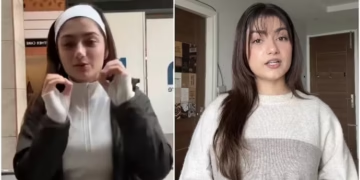
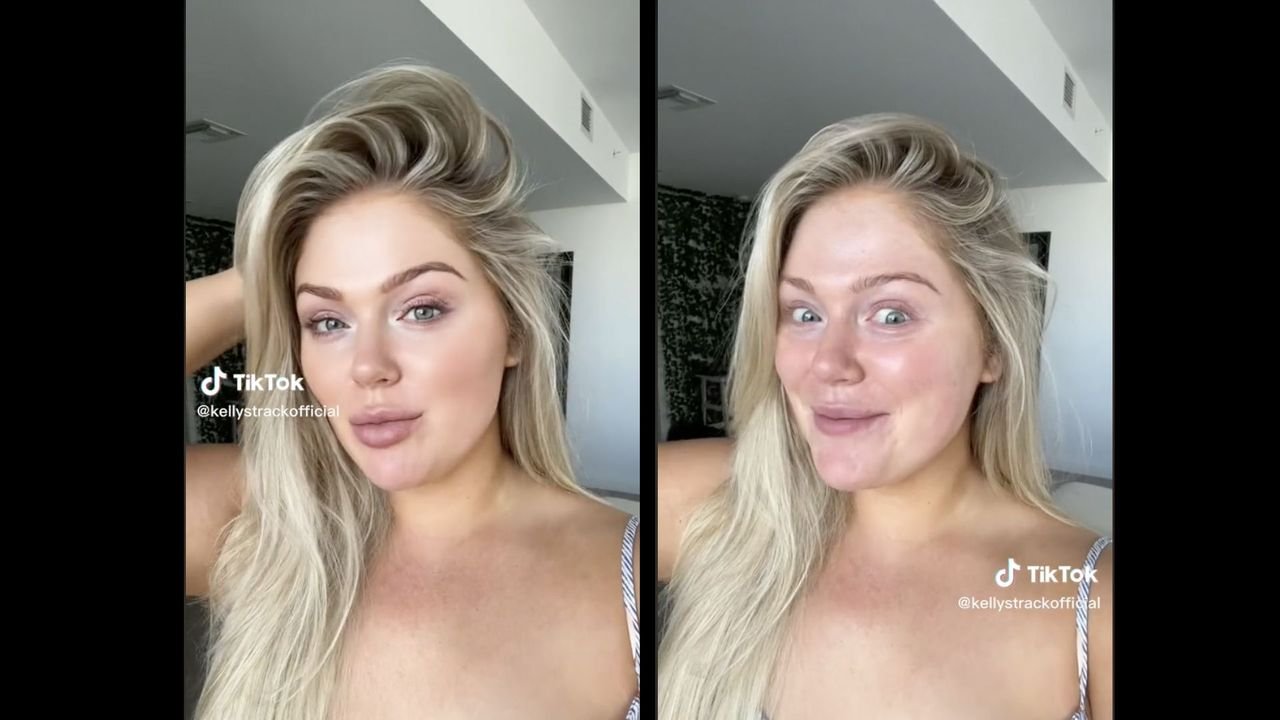
The influencers vs reality trend highlights side by side comparisons where creators show how they look with and without filters. These before after videos are widely circulating on Instagram and YouTube Shorts, often gaining millions of views within hours.
The main keyword influencers vs reality reflects a simple idea. Social media content is often edited to look perfect, while reality is more ordinary. These videos expose how lighting, camera angles, and built in filters can dramatically change skin tone, body shape, and facial features.
Many creators are now intentionally revealing this contrast to build trust with their audience. Instead of hiding edits, they are showing them openly, which has made this format popular among viewers who are increasingly skeptical of unrealistic online portrayals.
Rise of Filter Culture on Social Media Platforms
The viral growth of filter culture in India is closely tied to the evolution of apps like Instagram Reels and Snapchat. These platforms offer built in beauty filters that smooth skin, adjust facial symmetry, and enhance lighting in real time.
What started as fun visual effects has now become a standard part of content creation. Many users apply filters without even thinking about it, which gradually normalises altered appearances.
This has led to a situation where audiences are constantly exposed to enhanced visuals. Over time, these edited images can shape perceptions of beauty and create unrealistic expectations, especially among younger users.
The influencers vs reality trend directly challenges this culture by revealing how much transformation actually happens behind the scenes.
Why Before After Videos Are Going Viral Now
The timing of this trend is not accidental. Audiences are becoming more aware of digital manipulation and are actively seeking authentic content. Viral before after videos satisfy this demand by offering transparency.
Another factor is relatability. When viewers see that influencers also have imperfections, it reduces the pressure to look flawless. This emotional connection drives engagement, which in turn boosts visibility through platform algorithms.
Creators are also using this format strategically. By exposing filters, they position themselves as honest and trustworthy, which can strengthen their personal brand.
This shift indicates a broader change in content consumption. Users are moving away from polished perfection toward content that feels real and achievable.
Impact on Beauty Standards and Mental Health
The conversation around influencer reality vs filters is closely linked to mental health. Studies and public discussions have highlighted how constant exposure to edited images can affect self esteem, particularly among teenagers and young adults.
When beauty standards are shaped by unrealistic visuals, it can lead to comparison and dissatisfaction. The viral trend is helping counter this by normalising natural appearances.
Experts in digital behaviour have noted that awareness is the first step toward reducing negative impact. When users understand that most online images are altered, they are less likely to internalise those standards.
However, the influence of filter culture is still strong. While before after videos raise awareness, they do not completely eliminate the pressure created by idealised content.
Brands, Influencers and the Push for Authentic Content
Brands and influencers are beginning to respond to this shift. Some campaigns now focus on authenticity, featuring minimal editing and real life scenarios. This aligns with audience expectations for transparency.
Influencers who openly discuss editing practices often build stronger engagement because their content feels more genuine. This approach can also differentiate them in a crowded digital space.
At the same time, there is a balance to maintain. Content still needs to be visually appealing, which means filters and edits are unlikely to disappear entirely. Instead, the trend suggests a move toward more responsible use.
The influencers vs reality conversation is likely to shape how digital marketing evolves in India over the next few years.
What This Trend Means for Social Media Users
For everyday users, this trend is a reminder to view social media content critically. Not everything seen online reflects reality, and understanding this can change how people engage with digital platforms.
It also encourages more mindful content creation. Users are increasingly aware of how their posts may influence others, leading to more thoughtful sharing.
As internet penetration grows in Tier 2 and Tier 3 cities, these conversations are becoming more widespread. The demand for authenticity is no longer limited to metro audiences.
This shift indicates that social media in India is entering a more mature phase, where transparency and relatability matter as much as visual appeal.
Key Takeaways
- Influencers vs reality videos reveal how filters alter appearances
- Social media platforms have normalised heavy use of visual editing tools
- The trend is driven by demand for authenticity and transparency
- Awareness of filter culture can reduce unrealistic beauty expectations
Frequently Asked Questions
What is the influencers vs reality trend?
It is a social media trend where creators show before and after comparisons to highlight the impact of filters and editing.
Why are before after videos going viral in India?
They are relatable, expose hidden editing practices, and align with audience demand for real content.
Do filters affect mental health?
Excessive exposure to edited images can influence self esteem and create unrealistic beauty standards.
Will filter culture disappear because of this trend?
Unlikely, but there may be a shift toward more transparent and responsible use.