































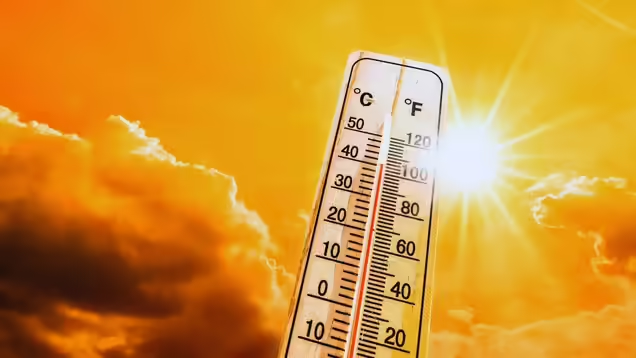
Central India is witnessing a sharp rise in temperatures, with Nagpur emerging as one of the hottest cities this week. The ongoing heatwave has raised health concerns, disrupted daily routines, and prompted advisories from authorities across multiple states.
The heatwave in Central India has intensified significantly, with Nagpur recording among the highest temperatures this week. According to weather patterns typically observed during early May, cities across Maharashtra, Madhya Pradesh, and adjoining regions experience peak summer conditions, with daytime temperatures often crossing 44 degrees Celsius.
Rising Temperatures Across Central India Regions
The current heatwave in Central India is part of a seasonal trend that peaks between late April and early June. However, the intensity this week has been notably higher, with several cities reporting temperatures well above normal averages.
Urban centers like Nagpur, often referred to as one of India’s hottest cities during summer, have seen temperatures hovering around extreme levels. Factors such as dry winds, clear skies, and delayed pre-monsoon activity have contributed to the sustained heat.
Meteorological patterns indicate that such conditions are typical when there is no significant cloud cover or rainfall activity. The absence of moisture in the atmosphere allows temperatures to rise rapidly during the day and remain high even in the evening.
Why Nagpur Frequently Records Extreme Heat
Nagpur’s geographical location plays a key role in its high summer temperatures. Situated in the central part of India, far from coastal influences, the city experiences a continental climate. This means there is little moderation from sea breezes, leading to sharper temperature spikes.
The heatwave in Central India often affects Nagpur more intensely due to its terrain and urban expansion. Concrete infrastructure and reduced green cover in certain areas contribute to what is known as the urban heat island effect, where cities retain more heat than surrounding rural regions.
Additionally, dry winds blowing from the northwest further increase the discomfort level, making the heat feel more severe than the recorded temperature.
Impact of Heatwave on Daily Life and Health
The intensifying heatwave in Central India has begun to impact daily routines significantly. Outdoor activities are being limited, especially during peak afternoon hours. Schools, offices, and local administrations often adjust timings or issue advisories to minimize exposure.
Health risks are a major concern during such conditions. Prolonged exposure to high temperatures can lead to dehydration, heat exhaustion, and in severe cases, heatstroke. Vulnerable groups such as children, elderly individuals, and outdoor workers are at higher risk.
Authorities typically advise residents to stay hydrated, avoid direct sunlight during peak hours, and wear light clothing. Public awareness campaigns also emphasize the importance of recognizing early symptoms of heat-related illnesses.
Government Advisories and Preparedness Measures
In response to the heatwave in Central India, local administrations and disaster management authorities have been issuing guidelines to ensure public safety. Measures often include setting up water distribution points, ensuring availability of medical facilities, and monitoring high-risk areas.
Railway stations, bus stands, and marketplaces are among the locations where heat exposure is highest. Authorities focus on these areas to provide relief measures such as shaded waiting zones and drinking water facilities.
In cities like Nagpur, municipal bodies also work on ensuring uninterrupted water supply, as demand increases sharply during extreme heat conditions. These steps aim to reduce the overall impact of the heatwave on residents.
Weather Outlook and Possible Relief
The current heatwave in Central India is expected to continue in the short term, based on seasonal weather trends. Relief typically arrives with the onset of pre-monsoon showers or increased cloud activity, which can bring down temperatures gradually.
Weather experts often monitor wind patterns and atmospheric changes to predict such shifts. While occasional local thunderstorms may provide temporary relief, sustained cooling usually depends on broader monsoon developments.
Residents are advised to stay updated with official weather forecasts and follow safety guidelines until conditions improve.
Takeaways
• Central India is experiencing an intense heatwave with Nagpur among the hottest cities
• High temperatures are driven by dry weather, clear skies, and delayed pre-monsoon activity
• Health risks such as dehydration and heatstroke are increasing during this period
• Authorities are issuing advisories and taking measures to manage the impact
FAQs
Why is Nagpur so hot during summer
Nagpur’s inland location and lack of coastal influence lead to higher temperatures, along with factors like dry winds and urban heat retention.
What is causing the current heatwave in Central India
The heatwave is caused by clear skies, dry atmospheric conditions, and absence of rainfall or cloud cover.
How can people stay safe during a heatwave
Staying hydrated, avoiding outdoor exposure during peak hours, and wearing light clothing can help reduce health risks.
When will the heatwave in Central India end
Relief usually comes with pre-monsoon showers or the arrival of the monsoon, though exact timing varies each year.