










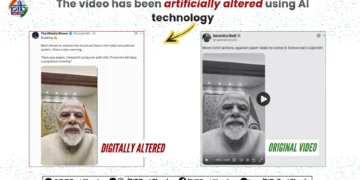





















Artificial intelligence has made it easier to create convincing fake news, manipulated images, and fabricated videos within minutes. Learning how to identify AI-generated misinformation can help individuals avoid spreading false content and make more informed decisions online.
AI-generated fake news is becoming one of the biggest challenges facing internet users today. With powerful artificial intelligence tools capable of producing realistic articles, images, videos, and voice recordings, it has become increasingly difficult to distinguish authentic information from fabricated content. Knowing how to spot AI-generated fake news before sharing it is now an essential digital skill for everyone using social media, messaging apps, and online news platforms.
While AI has many beneficial uses, it can also be misused to spread misinformation, influence public opinion, promote scams, or create confusion during major events. The good news is that careful verification and critical thinking can significantly reduce the chances of falling for false information.
Why AI-Generated Fake News Is Becoming More Common
Advances in generative artificial intelligence have made content creation faster, cheaper, and more accessible than ever before. Today, anyone with access to AI tools can generate articles, social media posts, images, or even realistic videos within minutes.
This technology has been adopted by businesses, educators, and creators for legitimate purposes. However, cybercriminals and misinformation networks also use AI to create false stories that appear authentic.
Major events such as elections, natural disasters, celebrity news, financial announcements, and health emergencies often become targets because people actively search for updates and tend to share breaking news quickly.
The speed at which misinformation spreads on social media makes verification more important than ever.
Common Signs of AI-Generated Fake News
Although AI-generated content continues to improve, many fake stories still display warning signs that readers can identify.
Sensational headlines are one of the biggest indicators. Headlines promising shocking discoveries, unbelievable secrets, or urgent warnings often aim to attract clicks rather than provide factual reporting.
Another sign is the absence of credible sources. Articles that make serious claims without quoting official organizations, experts, government agencies, or verified witnesses should be treated with caution.
Readers should also watch for inconsistencies in dates, locations, names, or statistics. AI-generated stories sometimes combine unrelated facts or include information that does not match verified reports.
Images accompanying fake stories may also appear unusually perfect, contain distorted backgrounds, unrealistic hands, inconsistent lighting, or other visual abnormalities commonly associated with AI-generated images.
How to Verify Information Before Sharing
Verification is the most effective defense against misinformation.
Start by checking whether the same news has been reported by multiple established news organizations. If only one unknown website is publishing a sensational claim, additional verification is necessary.
Visit official government websites, company announcements, or verified social media accounts when the story involves public institutions, businesses, or public figures.
Reverse image search tools can help determine whether a photo has appeared online previously or has been taken out of context.
If a video appears suspicious, examine whether the speaker’s lip movements, facial expressions, or voice remain consistent throughout the recording. AI-generated videos and deepfakes may still contain subtle visual or audio irregularities.
Taking a few minutes to verify information before forwarding it can prevent misinformation from spreading further.
Why Emotional Content Should Raise Caution
AI-generated fake news often relies on emotional reactions rather than factual reporting.
Stories designed to provoke anger, fear, excitement, or outrage encourage users to share content immediately without checking its accuracy.
Many fake posts include phrases such as “Share before it gets deleted,” “The media won’t show this,” or “Forward this to everyone you know.” These messages attempt to create urgency and bypass rational decision-making.
Whenever content appears emotionally charged or unusually dramatic, pause before sharing and verify the information using reliable sources.
Developing this habit significantly reduces the risk of unintentionally spreading false information.
Practical Habits That Help Prevent Misinformation
Digital literacy begins with responsible online behavior.
Read the complete article instead of relying only on headlines or social media captions. Misleading headlines often exaggerate or misrepresent the actual content.
Check the publication date, especially during fast-moving events where outdated information may continue circulating.
Review the website’s credibility by looking for contact details, editorial policies, and author information. Reputable news organizations generally provide transparency about their reporting standards.
Finally, avoid forwarding messages received through WhatsApp, Telegram, or other messaging platforms unless the information has been independently verified.
Every individual plays an important role in reducing the spread of misinformation by practicing careful verification before sharing online content.
The Growing Importance of Digital Media Literacy
Artificial intelligence will continue to improve, making AI-generated content increasingly realistic. Rather than assuming every piece of content is genuine, users should develop habits of questioning, verifying, and cross-checking information.
Educational institutions, media organizations, technology companies, and governments are investing in fact-checking initiatives and digital literacy programs, but individual responsibility remains essential.
The ability to identify AI-generated fake news is no longer a skill reserved for journalists. It has become a necessary part of responsible internet use for students, professionals, families, and anyone who consumes or shares digital content.
Key Takeaways
- Verify important news through multiple credible and independent sources before sharing.
- Be cautious of sensational headlines, emotional language, and urgent forwarding requests.
- Examine images, videos, and website credibility for signs of AI-generated manipulation.
- Reading beyond headlines and practicing digital media literacy can significantly reduce misinformation.
Frequently Asked Questions
1. Can AI-generated fake news look completely real?
Yes. Modern AI tools can produce highly convincing text, images, audio, and videos, making verification through trusted sources increasingly important.
2. What is the easiest way to verify suspicious news?
Check whether multiple reputable news organizations and official sources are reporting the same information. If not, avoid sharing it until verification is available.
3. Are AI-generated images always easy to identify?
No. AI-generated images are becoming more realistic, although some may still contain visual inconsistencies such as distorted objects, unnatural shadows, or unrealistic details.
4. Why is sharing unverified news harmful?
Sharing false information can spread panic, damage reputations, influence public opinion, enable scams, and make it more difficult for people to access accurate information during important events.
(Internal Keyword Suggestions: AI-generated fake news, fake news detection, identify AI misinformation, digital media literacy, fact-checking tips, deepfake awareness, misinformation online, fake news verification, AI content detection, online safety)