




















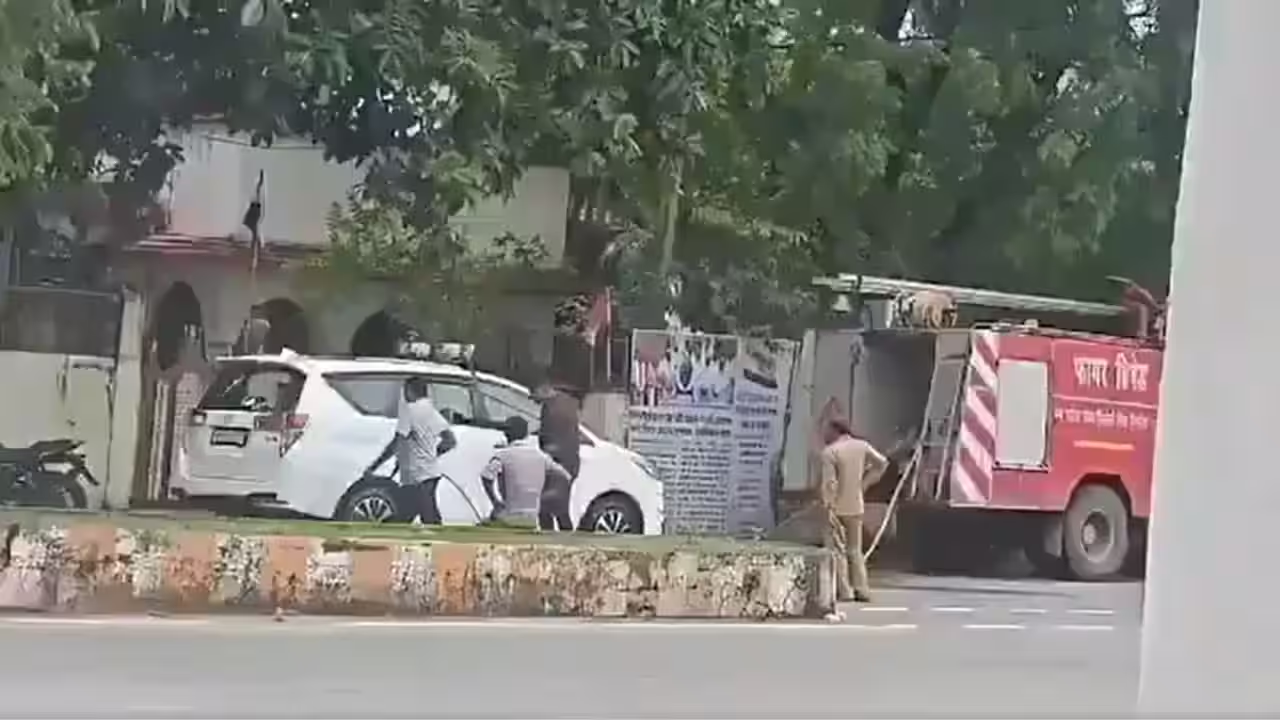


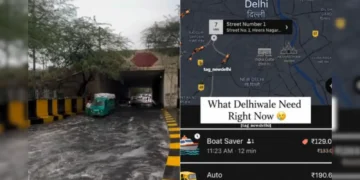


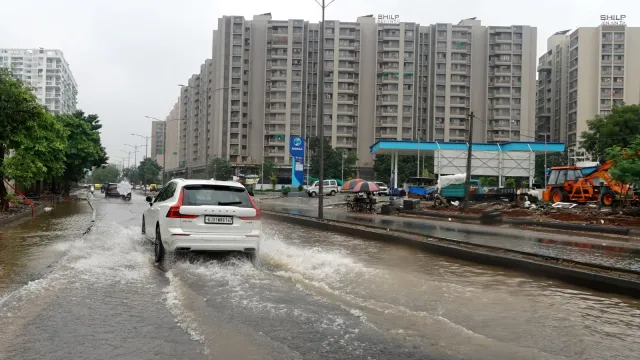
As the monsoon continues across many parts of India, several Tier-2 and Tier-3 cities are working to improve roads, drainage, sanitation, and traffic management before the festive season begins. Timely civic planning can help reduce disruptions, improve public safety, and support local businesses.
The topic is time-sensitive because it is linked to the current monsoon season and the preparations that many Indian cities undertake before the festive months. This article follows a news and public affairs reporting style while providing factual context.
The arrival of the festive season is one of the busiest periods for Indian cities. Markets witness higher footfall, highways become crowded, and public transport operates at increased capacity. However, before celebrations begin, many smaller Indian cities continue to face familiar challenges caused by monsoon rains. Damaged roads, waterlogging, overflowing drains, potholes, and traffic congestion often affect daily life and create additional pressure on civic authorities. As municipal bodies prepare for festivals, improving urban infrastructure has become an important priority for ensuring smooth movement of people and goods.
Monsoon Damage Has Increased Pressure on Urban Infrastructure
Heavy rainfall during the monsoon months often exposes weaknesses in city infrastructure. Roads that were already under repair may develop potholes, while blocked drainage systems can lead to waterlogging in residential colonies and market areas.
In many Tier-2 cities, including those experiencing rapid urban growth, increasing vehicle ownership has added pressure on road networks that were originally designed for lower traffic volumes. Water accumulation also affects pedestrians, school transport, emergency services, and public buses.
Municipal corporations generally begin repair work before major festivals to improve road conditions, restore damaged stretches, and clear drainage channels. The effectiveness of these efforts often determines how smoothly cities function during periods of high public activity.
Better Roads Are Essential for Festival Travel and Local Commerce
Road infrastructure plays a direct role in supporting economic activity during the festive season. Local traders depend on reliable transport to receive inventory, while consumers travel frequently for shopping, family visits, and community events.
Damaged roads increase travel time, fuel consumption, and vehicle maintenance costs. Delivery services, small businesses, and transport operators may also experience delays that affect supply chains.
Experts in urban planning often highlight that preventive maintenance before the festive season is more effective than emergency repairs after problems become severe. Timely resurfacing of roads, pothole repairs, and improved traffic management can reduce congestion and improve commuter safety.
Drainage and Sanitation Require Equal Attention
While road repairs receive considerable attention, drainage infrastructure is equally important during the monsoon. Blocked stormwater drains are among the primary causes of urban flooding in many cities.
When water remains stagnant for extended periods, it can create inconvenience for residents and affect sanitation conditions. Overflowing drains may also damage roads and nearby commercial areas.
Municipal authorities typically undertake desilting operations, remove accumulated waste from drainage channels, and inspect flood-prone locations before major festivals. Public participation also plays a role, as improper disposal of plastic waste often contributes to blocked drains.
Maintaining clean drainage systems helps reduce waterlogging and supports better public health outcomes during the rainy season.
Traffic Management Becomes More Challenging During Festivals
Festive shopping, religious processions, public events, and increased tourism place additional pressure on city traffic systems. In smaller cities where road widths are limited, even minor disruptions can lead to significant congestion.
Temporary parking arrangements, improved traffic signals, clear road signage, and coordinated traffic police deployment can help maintain smoother movement during peak periods.
Many cities also encourage digital traffic monitoring and real-time public advisories to inform commuters about diversions and congestion hotspots. Such measures have become increasingly common as municipalities adopt smart city technologies.
Improved coordination between civic departments, police, and public transport agencies can significantly reduce travel disruptions.
Public Participation Is Equally Important
Urban infrastructure cannot be maintained by civic agencies alone. Residents and local businesses also contribute to cleaner and safer public spaces.
Simple actions such as avoiding littering, reporting damaged roads through official grievance portals, following traffic regulations, and cooperating during repair work can improve overall civic management.
Resident welfare associations, market associations, and community volunteers frequently support cleanliness drives before festivals. These initiatives help reduce waste accumulation and improve the appearance of public areas visited by large numbers of people.
Awareness campaigns encouraging responsible waste disposal and water conservation also contribute to better city management during the monsoon.
Long-Term Planning Can Reduce Seasonal Challenges
Recurring monsoon-related problems indicate the need for long-term urban planning rather than seasonal maintenance alone. Modern drainage systems, durable road construction techniques, scientific stormwater management, and regular infrastructure audits can improve city resilience.
Many state governments and urban local bodies have increased investments in road upgrades, smart traffic systems, and flood mitigation projects over recent years. Continued implementation of these projects, combined with routine maintenance, can help reduce disruptions before every festive season.
As India’s Tier-2 and Tier-3 cities continue to expand, stronger civic infrastructure will become increasingly important for supporting economic growth, improving quality of life, and ensuring safer travel for residents and visitors alike.
Key Takeaways
- Monsoon-related road damage and waterlogging remain major concerns before the festive season.
- Timely road repairs, drainage maintenance, and traffic planning can improve public safety and mobility.
- Cleaner drainage systems help reduce flooding, sanitation issues, and infrastructure damage.
- Long-term urban planning and active public participation are essential for building resilient cities.
Frequently Asked Questions
1. Why do smaller Indian cities experience more road problems during the monsoon?
Heavy rainfall, ageing infrastructure, blocked drainage systems, and increasing traffic often contribute to road damage and potholes during the rainy season.
2. Why is road repair important before the festive season?
Festivals increase travel, shopping, and commercial activity. Well-maintained roads improve safety, reduce congestion, and support local businesses.
3. How can residents help improve civic conditions?
Residents can avoid littering, report damaged infrastructure through official municipal channels, follow traffic rules, and participate in community cleanliness initiatives.
4. What long-term solutions can reduce monsoon-related civic issues?
Modern drainage systems, durable road construction, regular infrastructure maintenance, scientific urban planning, and effective waste management can significantly reduce recurring seasonal problems.
(Internal Keyword Suggestions: monsoon road damage India, Tier-2 city infrastructure, festive season civic preparations, urban drainage management, pothole repairs India, municipal road maintenance, waterlogging solutions, traffic management before festivals, smart city infrastructure, urban development India)