


























Every monsoon tests India’s biggest cities, but the real measure of success is how quickly traffic returns to normal and public transport keeps moving. While no metro is immune to heavy rainfall, some have shown stronger preparedness than others through better drainage, resilient transport networks and faster emergency response.
The 2026 monsoon has once again exposed the strengths and weaknesses of India’s urban infrastructure. Heavy rainfall has affected several major cities, with Mumbai witnessing severe flooding, transport disruptions and weather alerts in early July. At the same time, cities such as Delhi, Bengaluru, Chennai and Hyderabad continue to face recurring challenges ranging from waterlogged roads to traffic congestion. The question is not which city avoids flooding altogether, but which one manages it most effectively.
Mumbai Faces the Toughest Test Every Monsoon
Mumbai remains India’s most challenging metro during the rainy season because of its coastal geography, high population density and dependence on road and suburban rail transport. In early July 2026, the city recorded intense rainfall that led to flooded roads, delayed suburban trains, flight disruptions and waterlogging across several low-lying areas. Authorities also issued weather alerts as heavy rain continued across the Mumbai Metropolitan Region.
Despite these challenges, Mumbai deserves credit for keeping much of its public transport operational. Local trains, Metro services and civic agencies continued functioning, although with delays. The Mumbai Metropolitan Region Development Authority had also introduced AI-based monitoring, CCTV surveillance and emergency pumping systems before the monsoon to reduce disruptions across Metro corridors.
However, recurring flooding in low-lying roads and critical junctions continues to affect commuters, showing that long-term drainage improvements remain a work in progress.
Bengaluru Struggles with Urban Drainage
Bengaluru has improved its Metro network significantly over the past few years, but road traffic remains highly vulnerable during heavy rainfall.
Many technology parks and residential neighbourhoods experience slow-moving traffic because rainwater often accumulates on major roads. Rapid urban expansion, shrinking lakes and blocked stormwater drains have contributed to repeated flooding in several parts of the city during recent monsoon seasons.
The Namma Metro generally continues operating even during heavy rain, giving office commuters a reliable alternative when roads become congested. However, the city’s dependence on private vehicles means overall traffic recovery often takes longer than in cities with stronger public transport usage.
Delhi Benefits from Wider Roads but Faces Localised Flooding
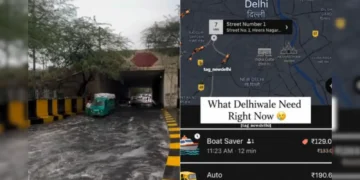
Delhi usually experiences fewer continuous days of heavy rainfall than coastal metros. Even so, intense rain spells frequently lead to waterlogging at underpasses, arterial roads and busy intersections.
One advantage for commuters is the extensive Delhi Metro network, which largely remains unaffected by surface flooding. This allows lakhs of passengers to continue travelling even when road traffic slows considerably.
Municipal authorities also deploy pumps and emergency response teams at flood-prone locations during the rainy season. Although localised disruptions occur, Delhi generally restores traffic faster than many coastal cities because of its road width and extensive metro connectivity.
Chennai Shows Better Preparedness After Previous Flood Lessons
The devastating floods experienced during previous monsoon years encouraged Chennai to strengthen stormwater drainage and disaster management systems.
While the city still experiences waterlogging during extremely heavy rainfall, infrastructure upgrades and improved flood monitoring have helped reduce disruption in several key areas.
The Chennai Metro Rail system has also become an increasingly dependable transport option during wet weather, helping commuters avoid flooded roads. Continued investments in drainage projects remain important as rainfall patterns become more unpredictable.
Hyderabad and Kochi Continue Improving Resilience
Hyderabad has invested heavily in road infrastructure and urban mobility, although certain low-lying neighbourhoods continue to witness flooding during intense rain events.
Kochi, another city familiar with heavy seasonal rainfall, has focused on preventive planning. Ahead of the 2026 monsoon, Kochi Metro introduced additional traffic management, drainage maintenance, pedestrian safety measures and emergency preparedness around Metro construction zones to minimise disruption.
These proactive measures demonstrate how planning before the rains arrive can reduce commuter inconvenience.
Which Metro Is Handling the Monsoon Best?
There is no single winner because every metro faces different geographical challenges.
If reliability of public transport is the primary benchmark, Delhi performs strongly due to its extensive Metro network and comparatively lower flood exposure.
If resilience under extreme weather is considered, Mumbai continues to impress despite severe rainfall because its suburban railway and Metro systems keep functioning even during difficult conditions. However, recurring road flooding still affects overall mobility.
Chennai and Kochi have shown encouraging improvements through better planning and infrastructure upgrades, while Bengaluru continues to benefit from Metro expansion but must address long-standing drainage issues.
Ultimately, India’s cities are learning that handling the monsoon is no longer only about repairing roads after rain. It requires smarter urban planning, better drainage, climate-resilient infrastructure and dependable public transport that keeps moving when weather conditions become extreme.
Takeaways
- Mumbai faces the toughest monsoon conditions but maintains relatively resilient public transport.
- Delhi’s Metro network helps minimise disruption during heavy rainfall.
- Chennai and Kochi have improved preparedness through drainage and safety upgrades.
- Bengaluru still needs stronger stormwater infrastructure despite rapid Metro expansion.
Frequently Asked Questions
Q1. Which Indian metro handles the monsoon best?
There is no clear winner, but Delhi performs well due to its reliable Metro system, while Mumbai demonstrates remarkable resilience despite facing the country’s heaviest urban rainfall.
Q2. Why does Mumbai flood almost every monsoon?
Its coastal location, low-lying areas, tidal influence and intense rainfall make flooding difficult to eliminate completely, despite ongoing infrastructure improvements.
Q3. Does public transport continue during heavy rain?
In most major metros, Metro rail systems continue operating with limited disruption. Road traffic and bus services are generally affected more than rail networks.
Q4. What is the biggest challenge for Indian cities during the monsoon?
Urban flooding caused by inadequate drainage, rapid urbanisation and increasingly intense rainfall remains the biggest challenge.
(Internal keyword suggestions: Indian metro monsoon 2026, Mumbai flooding, Delhi Metro during monsoon, Bengaluru traffic rain, Chennai flooding, public transport India, monsoon traffic India, urban flooding India, metro city infrastructure, monsoon preparedness)