































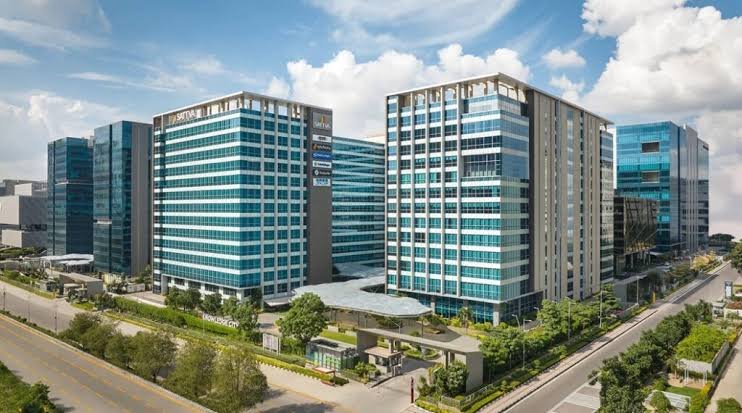
Hyderabad continues to strengthen its position as one of India’s leading destinations for Global Capability Centres (GCCs), attracting multinational companies across technology, healthcare, finance, engineering, and life sciences. The steady flow of investments is expected to generate thousands of high-skilled jobs while boosting the city’s commercial real estate and startup ecosystem.
Hyderabad’s GCC investments have gained momentum as multinational corporations expand their operations in India to support global business functions. Global Capability Centres, formerly known as captive centres, handle critical services such as software development, artificial intelligence, cybersecurity, finance, data analytics, engineering design, research, and customer support. Telangana’s business-friendly policies, modern infrastructure, skilled workforce, and competitive operating costs have helped Hyderabad emerge as one of the country’s fastest-growing GCC hubs alongside Bengaluru, Pune, Chennai, and Gurugram.
Why Hyderabad Has Become a Preferred GCC Destination
Several factors continue to attract multinational companies to Hyderabad. The city offers a large pool of engineering graduates, experienced IT professionals, and specialists in pharmaceuticals, biotechnology, cloud computing, and artificial intelligence.
Hyderabad also benefits from well-developed business districts such as HITEC City, Gachibowli, Nanakramguda, and the Financial District, where multinational firms have established large campuses. Reliable digital infrastructure, international connectivity through Rajiv Gandhi International Airport, and expanding metro connectivity further enhance its appeal.
The Telangana government has actively promoted investments through industry-friendly policies, faster approvals, and support for innovation. These initiatives have encouraged both established global companies and newer enterprises to expand their presence in the city.
What Global Capability Centres Actually Do
Today’s Global Capability Centres perform far more than back-office operations. Many now lead innovation, product development, artificial intelligence research, cloud engineering, cybersecurity operations, financial analysis, and digital transformation projects for their parent organizations worldwide.
Companies increasingly use Indian GCCs as strategic innovation centres rather than cost-saving units. Teams based in Hyderabad collaborate directly with global offices, manage critical technology platforms, develop new products, and contribute to research initiatives that influence international business decisions.
As digital transformation accelerates across industries, demand continues to grow for professionals with expertise in software engineering, machine learning, data science, DevOps, automation, cloud infrastructure, and enterprise security.
How GCC Investments Could Shape Employment
One of the biggest benefits of continued GCC expansion is employment generation. While software engineers remain in high demand, companies are also recruiting professionals from finance, legal services, human resources, procurement, healthcare analytics, digital marketing, engineering, and supply chain management.
Fresh graduates with technical skills and experienced professionals seeking career growth may find increasing opportunities as multinational companies expand hiring. Higher demand for skilled workers also supports job creation in supporting industries such as facility management, commercial real estate, hospitality, transportation, and professional consulting.
Educational institutions are also adapting by introducing industry-focused courses in artificial intelligence, cloud computing, cybersecurity, and business analytics to meet evolving workforce requirements.
Economic Benefits Beyond the IT Sector
The impact of GCC investments extends beyond employment. Growing office demand supports commercial real estate development, while increased business activity benefits restaurants, retail outlets, hotels, transportation providers, and local service businesses.
The presence of global companies also encourages knowledge sharing with startups, universities, and research institutions. This collaborative environment can strengthen Hyderabad’s innovation ecosystem and create opportunities for entrepreneurs working in enterprise technology, healthcare, fintech, and software services.
As multinational firms expand their operations, demand for modern office infrastructure, data centres, and digital connectivity is also expected to increase, contributing to broader urban economic growth.
Challenges That Need Continued Attention
Despite strong momentum, Hyderabad faces challenges that require long-term planning. Rapid commercial expansion increases pressure on transportation networks, housing, public infrastructure, and civic amenities.
Competition for skilled professionals has intensified as more companies establish operations in the city. Businesses must continue investing in employee training, leadership development, and workforce retention to remain competitive.
Urban planners will also need to balance economic growth with sustainable infrastructure development, efficient public transport, and environmental considerations to ensure that expansion remains manageable over the coming years.
Hyderabad’s Position in India’s GCC Growth Story
India has become one of the world’s largest destinations for Global Capability Centres, with hundreds of multinational companies operating strategic business units across major cities. Hyderabad has steadily strengthened its position within this landscape by attracting investments across multiple industries instead of relying solely on information technology.
As companies continue adopting artificial intelligence, cloud computing, automation, and digital transformation, Hyderabad is likely to remain an important destination for future GCC expansion. Continued investments could create high-value employment, encourage innovation, and further establish the city as a major contributor to India’s knowledge-driven economy.
Key Takeaways
- Hyderabad continues to attract Global Capability Centre investments across multiple industries.
- GCCs now handle advanced functions including AI, software engineering, finance, cybersecurity, and research.
- Expansion is expected to generate skilled employment while supporting the city’s broader economy.
- Sustained growth will require continued investment in infrastructure, public transport, and workforce development.
Frequently Asked Questions
Q1. What is a Global Capability Centre (GCC)?
A Global Capability Centre is an overseas office established by a multinational company to perform key business functions such as technology development, finance, engineering, research, customer support, and digital operations.
Q2. Why are companies choosing Hyderabad for GCC expansion?
Hyderabad offers a skilled workforce, modern infrastructure, competitive operating costs, supportive government policies, and a strong technology ecosystem.
Q3. Which professionals benefit most from GCC investments?
Software engineers, data scientists, cybersecurity specialists, finance professionals, business analysts, cloud engineers, legal experts, and HR professionals are among the most sought-after roles.
Q4. How do GCCs contribute to the local economy?
Besides creating direct employment, GCCs boost commercial real estate, hospitality, transportation, retail, education, and startup ecosystems while encouraging innovation and knowledge sharing.
(Internal keyword suggestions: Hyderabad GCC investments, Global Capability Centres Hyderabad, Hyderabad jobs, Telangana IT sector, Hyderabad technology hub, GCC hiring India, Hyderabad employment opportunities, multinational companies Hyderabad, Hyderabad business growth, IT jobs Hyderabad)