















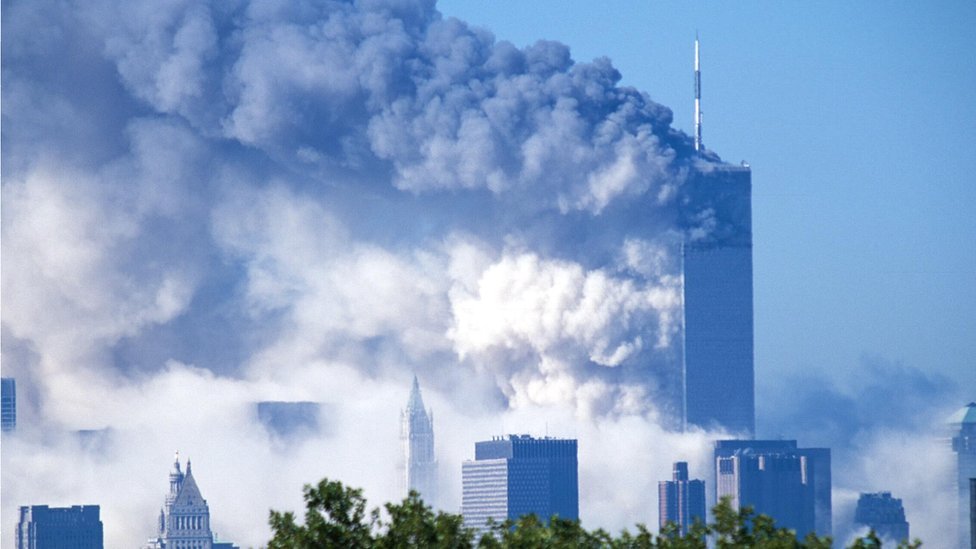
As the 25th anniversary of the September 11 attacks is observed on September 11, 2026, iconic photographs and videos from 2001 are again circulating widely online. While many genuine archival images document the tragedy, old footage and misleading captions can create false impressions about events today.
9/11 anniversary brings historic images back online
The 9/11 anniversary is once again filling social media feeds with photographs, videos, personal memories and archival news reports from September 11, 2001. This year marks 25 years since al-Qaida terrorists hijacked four commercial aircraft, killing nearly 3,000 people in attacks on the World Trade Center, the Pentagon and a field near Shanksville, Pennsylvania.
Many of the images appearing online are authentic. Photographs of the burning World Trade Center towers, people fleeing Lower Manhattan, firefighters at Ground Zero and the aftermath at the Pentagon form part of the historical record of the attacks.
The problem begins when genuine old material is presented without its original date or context. A photograph from September 11, 2001 can easily be reposted as though it represents a current event, especially when it is accompanied by a short caption that does not identify when or where the image was taken.
That distinction matters even more in 2026, when social platforms can rapidly amplify posts before users have an opportunity to verify them.
Why old 9/11 photos can look like current news
The technology surrounding the original attacks was very different from what people use today. Smartphones, social media platforms and instant video sharing were not part of everyday life in 2001.
Photographs from that period were commonly distributed through television broadcasts, newspapers, websites, email and physical prints. Many of those images have since been digitised and repeatedly reposted.
That means an old photograph can appear on a modern social media timeline without immediately looking like archival material.
The same issue applies to video. A clip showing smoke over New York or emergency workers in the streets may genuinely depict September 11, 2001, but a viewer encountering it without context could mistake it for footage from a later incident.
Reuters has noted that even apart from AI-generated material, users frequently repost genuine photographs and videos from earlier events with incorrect descriptions of when or where they were recorded.
25 years later, iconic photographs remain powerful
The continued circulation of 9/11 photographs is not automatically misinformation. Many images are being shared specifically to remember the victims and document the historical significance of the attacks.
The Associated Press has highlighted how defining photographs from September 11 remain deeply embedded in American public memory 25 years later. The images documented the attacks in New York and Washington and captured the human response to an event that reshaped the United States and its foreign policy.
Photographs can therefore have two very different roles online.
One is commemoration. A user may share an authentic photograph with a caption such as remembering the victims of September 11.
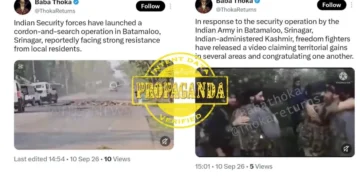
The other is misinformation. Someone may take the same photograph and claim that it shows a recent explosion, protest, building collapse or security incident.
The image itself may be genuine while the claim attached to it is false. This is why fact-checking an image requires checking the context, not simply asking whether the picture looks real.
AI makes visual verification even harder
The misinformation problem in 2026 is more complicated because social media users now have access to increasingly sophisticated AI image and video-generation tools.
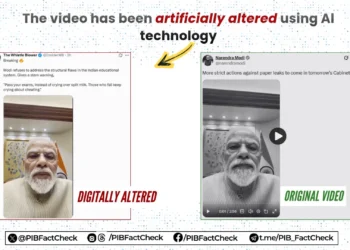
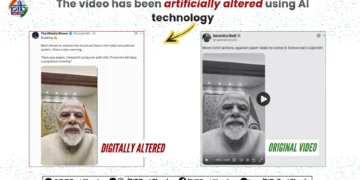
A fabricated image can be created to resemble an old news photograph, while genuine photographs can also be digitally altered. Some AI-generated material may contain obvious errors, but increasingly realistic synthetic media can be difficult to identify simply by looking at it.
Reuters reported in August that its visual verification team examines public images by checking their sources, metadata, weather conditions, satellite imagery, shadows, other eyewitness material and available reporting. AI detection tools can also be used, although they are not considered foolproof.
This is important for 9/11-related content because the anniversary naturally creates a huge demand for historical photographs. A misleading post can therefore gain attention simply by appearing alongside genuine anniversary material.
Users should not assume that an emotional or highly detailed photograph is automatically authentic.
Fact checking the caption matters as much as the photograph
One of the simplest ways to identify misleading 9/11 content is to separate the image from the claim.
For example, a photograph might genuinely show the World Trade Center on September 11, 2001. That does not prove a caption claiming that the same image was taken during a more recent incident.
The first question should be: When was this photograph originally published?
The next question is: Where was it taken?
A reverse image search can help identify older versions of a photograph. Searching distinctive phrases from the caption can also reveal whether reputable news organisations or fact-checkers have previously examined the claim.
Users should also look for original reporting from established news organisations and official sources rather than relying on screenshots or reposted social media posts.
This approach is especially useful because established fact-checking desks regularly identify old photographs and videos being reused with false claims. Times of India’s fact-check archive, for example, currently includes multiple examples of old videos and photographs being presented as recent events.
Misleading 9/11 claims are not always completely fabricated
Misinformation does not always mean that every part of a post is false.
A post can contain a real photograph, a real quote or an authentic news clip while drawing a false conclusion from it.
A good example of how this can happen is the reuse of historical broadcast footage. PolitiFact previously examined a misleadingly edited CNN report from September 11, 2001 that was circulated years later to promote a false conspiracy claim about the Pentagon attack. The underlying broadcast was genuine, but its editing and presentation changed the apparent meaning of the material.
This illustrates an important point for social media users: authenticity and context are separate questions.
An authentic photograph does not automatically make the accompanying claim authentic.
Why emotional posts spread faster on social media
Anniversary content is particularly vulnerable to misinformation because it often involves strong emotions.
Images of victims, missing-person posters, firefighters and the destruction in New York can generate immediate reactions. Users may share such posts before checking the source because they believe they are helping preserve someone’s memory.
The same emotional response can also help misleading content travel quickly.
This year’s anniversary has already generated renewed attention around historical material. A Guardian report on a Brooklyn exhibition documents hundreds of missing-person posters photographed in New York after the attacks, showing how families used photographs to search for loved ones at a time when smartphones and easily accessible online photo libraries did not exist.
Such material has genuine historical value, but its meaning can be distorted when individual photographs are removed from their original context.
How Indian social media users can verify 9/11 posts
For users in India encountering viral 9/11 content, the basic verification process is straightforward.
First, check the date. Look for an original publication date rather than relying on the date displayed on a repost.
Second, identify the source. A post without an identifiable photographer, news organisation, archive or official account deserves additional scrutiny.
Third, search the image. Reverse image searches can reveal earlier publications and sometimes identify the actual event shown.
Fourth, compare the claim with established reporting. If a post says a particular event happened recently, reputable news outlets should normally have some corresponding coverage if the event is significant.
Finally, check whether the image has been manipulated or generated using AI. This should be treated as one part of verification rather than a definitive test, because AI-detection systems can produce uncertain results. Reuters specifically notes that such tools are not foolproof.
The 25th anniversary is about remembrance, not viral misinformation
The September 11 attacks remain one of the defining events of the early 21st century. Twenty-five years later, photographs and recordings from that day continue to document what happened and preserve the memories of those who died.
The challenge for social media users is not to reject every old photograph or video. It is to understand what the material actually shows.
A genuine archival image should be identified as archival. A recent image should be checked against its original source. A manipulated or AI-generated image should not be presented as documentary evidence.
That distinction becomes particularly important on anniversaries, when historical content receives a sudden increase in visibility.
The most responsible approach is therefore simple: remember, share verified material and check the context before forwarding a claim. A photograph can preserve history, but a misleading caption can rewrite it.
Key Takeaways
- Genuine photographs and videos from September 11, 2001 are being widely reshared during the 25th anniversary.
- An authentic old photograph can still become misinformation if it is presented as a recent event or given a false location.
- AI-generated and manipulated visuals make verification more difficult, while established verification methods include checking sources, metadata and corroborating imagery.
- Users should verify the original date, location and source before sharing viral 9/11-related posts.
FAQ
Why are old 9/11 photos going viral again?
September 11, 2026 marks the 25th anniversary of the attacks, prompting widespread remembrance and renewed sharing of historical photographs, videos and news reports.
Does an old 9/11 photograph automatically mean it is fake?
No. Many photographs from September 11, 2001 are genuine historical records. The problem arises when an authentic image is given a false date, location or description.
How can I check whether a viral 9/11 photo is genuine?
Check the original source and publication date, conduct a reverse image search, compare the claim with reputable news reports and look for confirmation from official or established fact-checking sources.
Can AI-generated images be identified just by looking at them?
Not reliably. AI-generated images are becoming increasingly realistic, and detection tools are not perfect. Professional verification can involve checking the original source, metadata, satellite or weather information and other photographs from the same event