



















Delhi is introducing stricter vehicle entry rules from November 1, 2026, to tackle rising winter air pollution. The restrictions will affect certain vehicles registered outside the capital, while electric vehicles (EVs), CNG vehicles and specified essential services receive exemptions under the new framework.
Delhi Vehicle Entry Rules 2026: What Changes From November 1?
Delhi’s winter pollution-control measures are set to become stricter from November 1, bringing new requirements for motorists travelling into the national capital.
Under the Delhi government’s Winter Pollution Master Plan, non-Delhi-registered vehicles that do not meet BS-VI emission standards will be prohibited from entering and operating in Delhi between November 1, 2026, and January 31, 2027.
The restriction is part of a broader effort to reduce vehicular emissions during the winter months, when air pollution frequently becomes a serious concern across Delhi-NCR.
Electric vehicles, CNG-powered vehicles and specified emergency and essential-service vehicles are among the exempt categories.
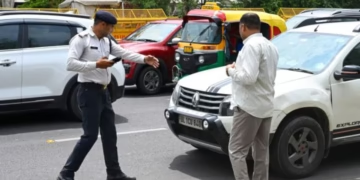
The Delhi Traffic Police has also issued an advisory regarding vehicle-entry restrictions under the revised Graded Response Action Plan (GRAP), asking commuters to check their vehicle eligibility before travelling.
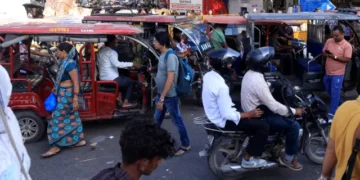
For people commuting from Noida, Gurugram, Ghaziabad and Faridabad, understanding these requirements will be important before planning daily journeys into Delhi.
Which Vehicles Can Enter Delhi From November 1?
The new restrictions distinguish between vehicles according to their fuel type, emission standard and registration location.
The following categories are permitted under the winter vehicle-entry framework, subject to applicable requirements and exemptions:
- BS-VI-compliant vehicles
- Electric vehicles
- CNG-powered vehicles
- Ambulances and fire-service vehicles
- Police and other specified essential-service vehicles
- Other categories specifically exempted by the government
One important point is that the restriction does not impose a blanket ban on every vehicle below BS-VI standards, irrespective of registration location.
The winter entry restriction specifically targets vehicles registered outside Delhi that do not meet BS-VI emission standards.
Therefore, motorists should check both the vehicle’s registration state and its emission classification before travelling.
For example, an older petrol or diesel car registered in Noida may face restrictions if it does not meet BS-VI requirements. An eligible electric vehicle registered in the same city falls under the exemption category.
Why Electric Vehicles Are Exempted From Delhi’s New Rules
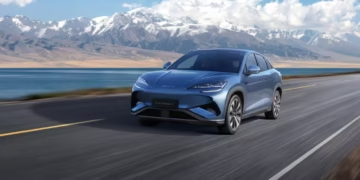
Electric vehicles are receiving attention under the new restrictions because they do not produce tailpipe emissions during operation.
Unlike conventional petrol and diesel vehicles, EVs use electric motors powered by rechargeable batteries. This eliminates exhaust emissions such as nitrogen oxides and particulate matter directly from the vehicle.
Delhi’s decision to exempt electric vehicles from the non-BS-VI entry restriction is consistent with its wider effort to encourage cleaner transportation.
The exemption is particularly relevant for commuters travelling regularly between Delhi and neighbouring cities.
People using electric cars, electric taxis and other eligible electric vehicles can benefit from the exemption, subject to applicable traffic regulations and other vehicle requirements.
However, the exemption should not be interpreted as permission to ignore all traffic rules. EV owners must still follow registration, insurance, road-safety and other applicable legal requirements.
The policy also highlights the importance of electric mobility as cities look for ways to reduce pollution from daily transportation.
What Happens to Older Petrol and Diesel Vehicles?
The biggest impact of the November 1 restrictions will be on certain older petrol and diesel vehicles registered outside Delhi.
Vehicles below BS-VI emission standards will not be permitted to enter or operate in the capital during the specified period.
This includes eligible categories of older private vehicles and commercial vehicles, subject to the notified exemptions.
For example, a person living in Gurugram who owns a BS-IV diesel car registered in Haryana will need to consider alternative travel arrangements when entering Delhi during the restriction period.
Similarly, owners of older petrol vehicles registered in Noida or Ghaziabad should verify their emission classification before travelling.
The restriction is expected to affect people who regularly use private vehicles for office commutes, shopping, education and business-related travel.
However, it does not mean that every older vehicle across the entire NCR is automatically banned from operating in its own registration area. The specific restriction concerns entry and operation in Delhi under the notified winter framework.
No PUC, No Fuel: Another Important Rule for Motorists
Alongside the vehicle-entry restrictions, Delhi is also implementing a No PUC, No Fuel policy.
Under this measure, vehicles without a valid Pollution Under Control Certificate will not be supplied petrol, diesel, CNG or LPG at fuel stations across Delhi.
Unlike the seasonal entry restriction, the No PUC, No Fuel requirement is intended to operate throughout the year.
A Pollution Under Control Certificate confirms that a vehicle has undergone the prescribed emissions test and meets the applicable pollution standards.
Vehicle owners should check the validity of their certificates before visiting fuel stations.
This requirement is important even for motorists whose vehicles meet BS-VI emission standards. A newer vehicle should not be assumed to be exempt from applicable pollution-document requirements simply because of its emission category.
The policy is designed to improve compliance and encourage vehicle owners to maintain their vehicles properly.
What About Trucks and Interstate Buses?
The new pollution-control measures also address commercial transportation entering Delhi.
Trucks and goods vehicles that are not destined for Delhi will be required to use designated peripheral routes instead of passing through the capital.
These include the Eastern Peripheral Expressway and Western Peripheral Expressway, wherever applicable.
The objective is to reduce unnecessary heavy-vehicle movement through Delhi’s already congested roads.
Interstate buses are also subject to emission-related requirements. Under the applicable CAQM directions, buses entering Delhi must comply with the prescribed fuel and emission standards, including the requirements for electric, CNG and BS-VI diesel vehicles.
The Delhi Traffic Police has also warned about restrictions on non-compliant interstate buses and other commercial vehicles under the revised GRAP framework.
Transport companies and logistics operators should verify the applicable conditions before scheduling vehicles for Delhi-bound journeys.
These measures could affect delivery schedules, freight movement and intercity passenger transportation during the winter pollution-control period.
Delhi Parking Charges to Double From November 1
The winter pollution plan includes measures beyond vehicle-entry restrictions.
Parking charges at authorised parking facilities across Delhi will be doubled from November 1, 2026, to February 28, 2027.
The measure is intended to discourage unnecessary private vehicle use and encourage commuters to consider public transport.
Parking facilities owned and managed by the Delhi Metro Rail Corporation are exempt from the increased parking charges under the announced framework.
The government is also introducing staggered office timings and a 50% work-from-home arrangement for employees in government and private offices from November 1 to January 31.
These measures are intended to reduce peak-hour traffic congestion and the number of vehicles travelling on city roads.
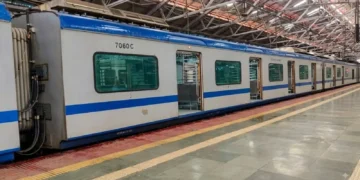
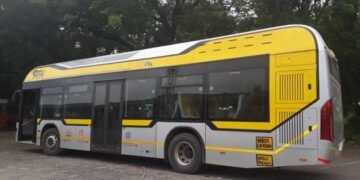
For regular office commuters, using the Delhi Metro, electric buses, shared transport and carpooling could become more practical alternatives during this period.
How Long Will Delhi’s Vehicle Entry Restrictions Continue?
The non-BS-VI vehicle-entry restriction is scheduled to remain in force from November 1, 2026, until January 31, 2027.
However, the wider Winter Pollution Master Plan will remain active until February 28, 2027.
This means that different pollution-control measures will have different operating periods.
| Measure | Applicable period |
|---|---|
| Entry restriction on specified non-BS-VI vehicles registered outside Delhi | November 1, 2026, to January 31, 2027 |
| No PUC, No Fuel | Throughout the year |
| Doubled authorised parking charges | November 1, 2026, to February 28, 2027 |
| 50% work-from-home arrangement | November 1, 2026, to January 31, 2027 |
| Wider Winter Pollution Master Plan | November 1, 2026, to February 28, 2027 |
Motorists should also understand that additional restrictions may be imposed under GRAP depending on the air-quality situation.
GRAP measures are implemented in stages according to pollution levels. Therefore, the restrictions applicable on a particular day may change if authorities announce additional emergency measures.
What Should Delhi-NCR Vehicle Owners Do Before November 1?
People travelling regularly between Delhi and neighbouring cities should take a few precautions before the restrictions begin.
First, check the Bharat Stage emission standard of the vehicle. It can generally be verified through the registration certificate or authorised vehicle records.
Second, confirm the state in which the vehicle is registered. This is important because the seasonal entry restriction specifically targets non-Delhi-registered vehicles below BS-VI standards.
Third, check the validity of the Pollution Under Control Certificate wherever applicable.
Commercial vehicle operators should also verify the latest requirements for interstate buses, trucks and goods vehicles.
For people whose vehicles are affected, alternatives include the Delhi Metro, public buses, carpooling and eligible CNG or electric transport.
Motorists can contact the Delhi Traffic Police through its helpline numbers 011-25844444 and 1095 for assistance regarding vehicle-entry restrictions.
Checking official government and traffic police announcements before travelling can help prevent unnecessary delays at Delhi’s border checkpoints.
Will Delhi’s EV Exemptions Encourage Electric Vehicle Adoption?
The exemption for electric vehicles could strengthen their position as an alternative for people who regularly travel into Delhi.
For commuters from Noida, Gurugram and Ghaziabad, the restrictions may encourage greater consideration of electric cars and other eligible low-emission transport options.
However, vehicle purchase decisions involve several factors beyond temporary entry restrictions.
Buyers need to consider the purchase price, charging availability, battery warranty, driving range, maintenance costs and access to charging facilities at home or workplaces.
For people living in rented accommodation or apartment complexes without dedicated charging infrastructure, the availability of convenient charging facilities can influence the practicality of owning an EV.
The Delhi restrictions may increase interest in electric mobility, but they do not automatically make an electric vehicle the right choice for every household.
The broader impact will depend on how effectively the city combines cleaner vehicles with public transport, charging infrastructure and traffic management.
Key Takeaways
- Delhi will restrict entry of non-Delhi-registered vehicles below BS-VI standards from November 1, 2026, to January 31, 2027.
- Electric vehicles, CNG vehicles and specified emergency-service vehicles are exempt from the seasonal entry restriction.
- Vehicles without a valid PUC certificate will not receive fuel at Delhi fuel stations under the No PUC, No Fuel policy.
- Parking charges will double from November 1, while the winter pollution plan also includes work-from-home and traffic-management measures.
Frequently Asked Questions
1. Can electric vehicles enter Delhi from November 1, 2026?
Yes. Electric vehicles are exempt from the seasonal entry restriction on non-BS-VI vehicles registered outside Delhi, subject to applicable traffic and legal requirements.
2. Are BS-IV petrol and diesel cars allowed in Delhi?
The seasonal restriction applies to non-Delhi-registered vehicles below BS-VI standards. Therefore, eligible BS-IV petrol and diesel vehicles registered outside Delhi will face entry restrictions during the specified period. Check the applicable exemptions before travelling.
3. When will Delhi’s new vehicle entry restrictions end?
The restriction on specified non-BS-VI vehicles registered outside Delhi is scheduled to continue until January 31, 2027. The wider Winter Pollution Master Plan runs until February 28, 2027.
4. What is the No PUC, No Fuel rule in Delhi?
Under this rule, vehicles without a valid Pollution Under Control Certificate will not be supplied petrol, diesel, CNG or LPG at fuel stations across Delhi. The requirement is intended to improve compliance with vehicle-emission standards.