































Every few weeks, social media and messaging apps are flooded with claims about a new “viral MMS” video. While these posts attract millions of searches, cybersecurity experts say many of them are not genuine leaks but carefully designed scams that aim to steal personal data, install malware, or trick users into visiting unsafe websites.
The topic is time sensitive because a fresh wave of viral MMS search scams has been reported across India in recent weeks. The article below follows a news reporting style while also explaining the broader cyber safety issues behind the trend.
Viral MMS Search Scams Are Growing Across Social Media
The phrase “viral MMS” has become one of the most searched terms during online controversies. Fraudsters understand this curiosity and use it to their advantage. They create misleading posts claiming that a leaked video of a celebrity, influencer, student, or ordinary person is available through a link.
In reality, cybersecurity researchers and fact-checking organizations have repeatedly found that many of these links do not contain the promised content. Instead, they redirect users to phishing websites, fake login pages, malicious app downloads, or advertising networks designed to generate revenue from clicks. Recent fact checks have warned that these campaigns are increasingly sophisticated and often reuse the same tactics with different names and trending personalities.
The objective is simple. The scammers want users to click before they think.
How Unknown Links Trick Users Into Giving Away Data
Cybercriminals rely on social engineering rather than advanced hacking.
Most scam messages include emotional triggers such as “watch before it gets deleted,” “exclusive leaked video,” or “full MMS available here.” These messages are designed to create urgency and curiosity.
Once a user clicks the link, several things may happen:
- A fake login page asks for Google or social media credentials.
- A website requests permission to download an application outside the official app stores.
- The page redirects through multiple websites that collect advertising revenue.
- Malware attempts to access contacts, messages, photos, or financial information stored on the device.
Cyber experts say Android users are particularly at risk when they install APK files from unknown sources instead of downloading apps from trusted marketplaces.
Why “Viral MMS” Searches Keep Returning Every Few Weeks
One reason these scams continue to spread is that scammers recycle the same formula.
Whenever a public figure starts trending, fake posts quickly appear claiming that a private video has surfaced. Sometimes the names belong to influencers, actors, students, or completely unrelated individuals. In several cases, no authentic video exists at all.
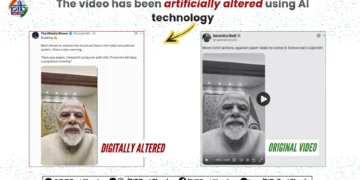
Recent investigations have also highlighted another growing concern. Artificial intelligence tools now make it easier to create convincing fake images or manipulated videos, increasing confusion and making false claims appear believable.
Besides cyber fraud, these campaigns can seriously damage reputations. Innocent individuals often become victims of online harassment after their names are falsely linked to fake content.
Cyber Safety Experts Recommend Simple Precautions
Authorities and cybersecurity professionals consistently advise people to avoid interacting with suspicious links, regardless of how convincing they appear.
Some practical safety measures include:
- Never click links shared by unknown accounts or forwarded repeatedly in messaging groups.
- Avoid downloading APK files from unofficial websites.
- Enable two-factor authentication on important accounts.
- Keep your phone’s operating system and security software updated.
- Verify sensational claims through trusted news organizations or professional fact-checking websites before believing or sharing them.
- Report suspicious messages instead of forwarding them.
Police departments across India have also issued public advisories warning people against fake SMS messages, malicious links, QR code scams, and AI-enabled fraud. These scams often use fear, urgency, or curiosity to manipulate victims.
What To Do If You Accidentally Clicked a Suspicious Link
Clicking a suspicious link does not automatically mean your device has been compromised, but immediate action is important.
Disconnect the device from the internet if you downloaded an unknown file. Delete any suspicious downloads, run a trusted antivirus scan, change passwords for important accounts from another secure device, and monitor banking activity for unusual transactions.
If you believe sensitive information has been stolen, report the incident through India’s National Cyber Crime Reporting Portal or contact the cybercrime helpline immediately.
Quick reporting improves the chances of limiting financial and personal damage.
The Bigger Lesson Behind Viral MMS Search Scams
The biggest weapon used by cybercriminals is not sophisticated technology. It is human curiosity.
Every trending controversy creates an opportunity for scammers to exploit public interest using fake headlines, misleading thumbnails, and dangerous links. As AI-generated content becomes more convincing, verifying information before clicking or sharing will become even more important.
Experts say a simple habit can prevent most of these scams: if a sensational link promises shocking private content, assume it could be unsafe until verified through reliable sources.
Key Takeaways
- Most viral MMS links are designed to spread phishing scams, malware, or advertising fraud rather than genuine content.
- AI-generated fake images and manipulated videos are making online scams more convincing.
- Never download APK files or enter passwords after clicking unknown links.
- Verify viral claims through trusted news organizations and official fact-checking platforms before sharing them.
FAQ
Q1. Are all viral MMS links fake?
No. However, cybersecurity experts say many widely shared viral MMS links are scams, phishing pages, or misleading clickbait rather than authentic content.
Q2. Can clicking one link infect my phone?
It depends on what happens after the click. Simply opening a webpage may not infect your device, but downloading files, installing apps, or entering login credentials can expose you to significant risks.
Q3. How can I identify a phishing link?
Look for unusual website addresses, spelling mistakes, urgent messages, requests for passwords or OTPs, and offers that seem too sensational or exclusive.
Q4. What should I do if I shared a suspicious link with someone else?
Inform the recipient immediately, advise them not to click the link, delete the message if possible, and report the suspicious content on the platform where it was shared.
(Internal Keywords: Viral MMS search scams, viral MMS links, phishing scams India, cyber safety tips, fake MMS video, malicious links, online fraud awareness, social media scams, cybercrime India, phishing prevention)