





























Smart wearables for health monitoring are witnessing rapid growth in India as consumers increasingly adopt technology to track fitness and medical parameters. The trend reflects rising health awareness, digital adoption, and affordability of wearable devices.
Smart Wearables for Health Monitoring Gain Popularity
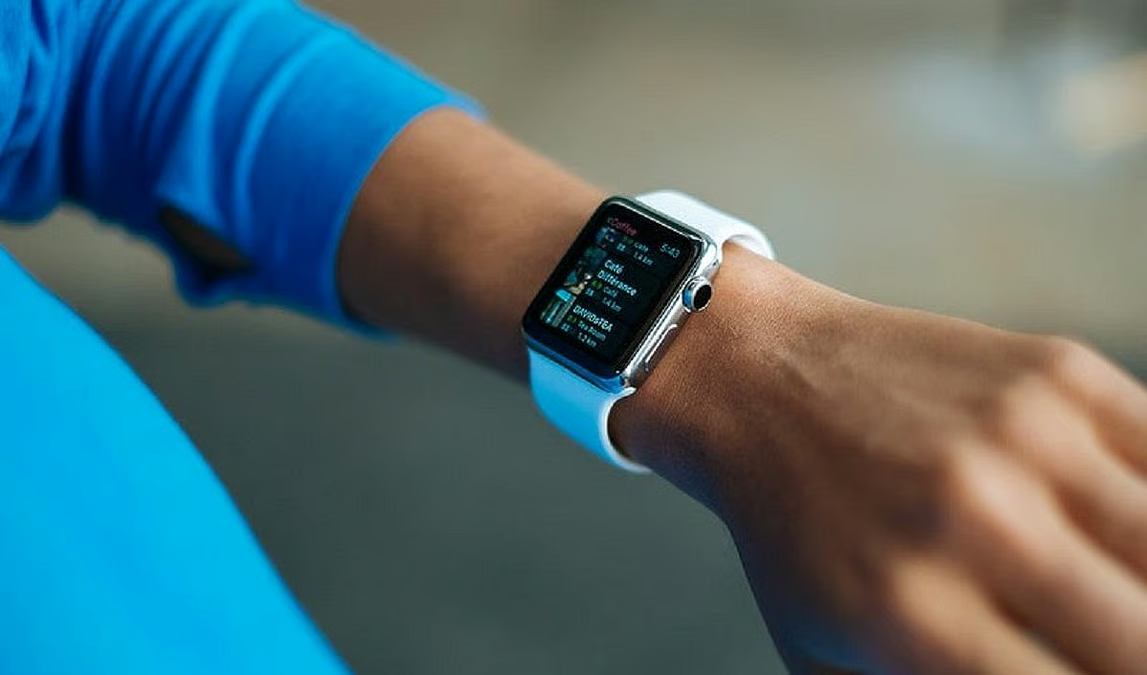
Smart wearables for health monitoring see rise in India as more users turn to devices that track vital health metrics in real time. Products such as fitness bands, smartwatches, and health trackers are becoming common across urban and semi urban populations.
In India, the demand is driven by increasing awareness about preventive healthcare and lifestyle management. Consumers are using wearables to monitor parameters like heart rate, sleep patterns, and physical activity.
The COVID period accelerated this trend, and it has continued as people focus more on long term health tracking and early detection of potential issues.
Key Features Driving Adoption of Smart Wearables
Modern smart wearables offer a range of features that go beyond basic fitness tracking. Devices now include heart rate monitoring, blood oxygen level tracking, ECG capabilities, and stress analysis.
Some advanced models provide continuous health monitoring and integrate with mobile apps for detailed insights. These features allow users to track changes over time and make informed lifestyle decisions.
Brands such as Noise, boAt, and Apple have contributed to market growth by offering devices across different price segments.
Affordability and availability of budget friendly options have made wearables accessible to a wider audience.
Role of Technology and Data in Health Monitoring
Technology plays a central role in the effectiveness of smart wearables. Sensors embedded in devices collect data related to physical activity and physiological parameters.
This data is processed using algorithms to provide actionable insights. Mobile applications connected to wearables allow users to visualize trends and set health goals.
Integration with healthcare systems is also evolving. Some devices can share data with medical professionals, enabling remote monitoring and early intervention.
Artificial intelligence is being used to improve accuracy and personalize recommendations based on user behavior.
Growing Demand Beyond Metro Cities
The rise of smart wearables for health monitoring is not limited to metro cities. Tier-2 and Tier-3 markets are showing increasing adoption due to improved internet access and growing awareness.
Cities like Pune, Indore, and Lucknow are contributing to market expansion. Consumers in these regions are becoming more health conscious and tech savvy.
E commerce platforms and digital marketing are playing a key role in reaching these audiences. Local language support and simplified interfaces are also helping increase adoption.
This expansion is expected to drive sustained growth in the wearable technology market.
Challenges and Limitations of Wearable Devices
Despite their popularity, smart wearables face certain challenges. Accuracy of health data can vary depending on device quality and usage conditions.
Battery life and device durability are practical concerns for users. Continuous monitoring features can consume more power, requiring frequent charging.
Data privacy and security are also important considerations. Users need assurance that their health data is protected and used responsibly.
Additionally, wearables are not a substitute for professional medical diagnosis. They should be used as supportive tools rather than definitive health solutions.
Future Outlook for Wearable Health Technology in India
The future of smart wearables for health monitoring in India looks strong as technology continues to evolve. Advances in sensors, AI, and connectivity will enhance device capabilities.
Integration with telemedicine and digital health platforms is expected to increase, enabling more comprehensive healthcare solutions. Wearables may play a larger role in managing chronic conditions and preventive care.
As competition increases, companies will focus on innovation, affordability, and user experience to capture market share.
The growing emphasis on health and wellness is likely to sustain demand for wearable devices.
Takeaways
- Smart wearables for health monitoring are rapidly growing in India
- Devices offer features like heart rate, SpO2, and sleep tracking
- Adoption is increasing in Tier-2 and Tier-3 cities
- Challenges include accuracy, battery life, and data privacy
FAQs
Q1. What are smart wearables for health monitoring?
They are devices like smartwatches and fitness bands that track health metrics in real time.
Q2. Why are wearables becoming popular in India?
Rising health awareness, affordability, and digital adoption are driving growth.
Q3. Can wearables replace medical devices?
No, they are supportive tools and not a substitute for professional medical equipment.
Q4. What features should users look for in wearables?
Key features include heart rate monitoring, SpO2 tracking, battery life, and app integration.