






















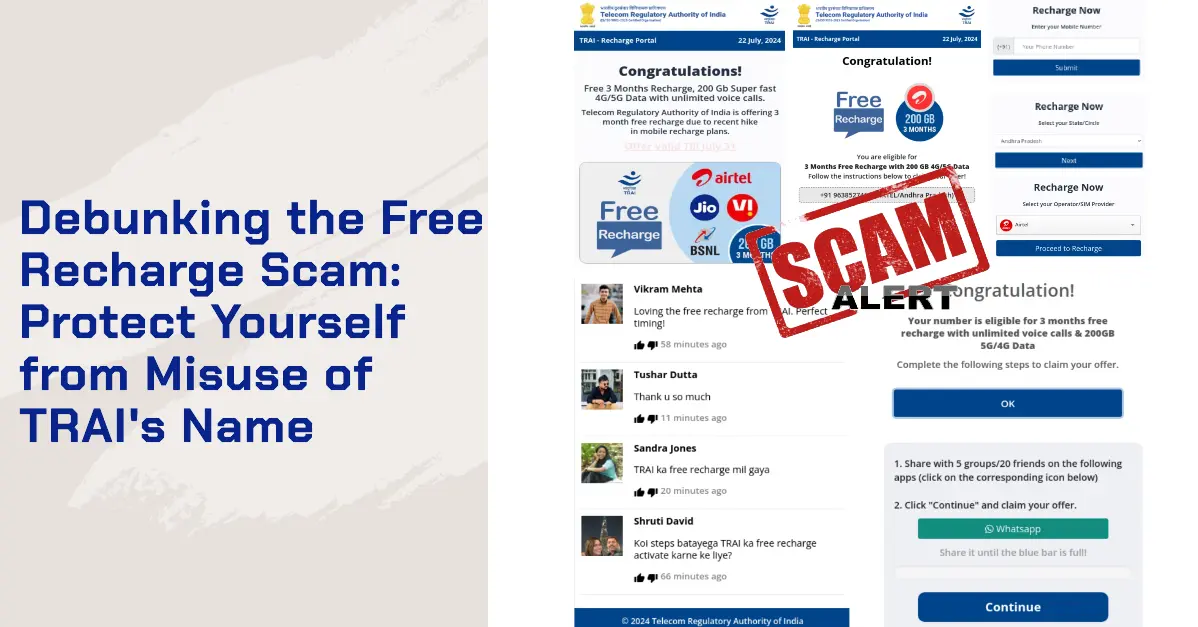
A viral message claiming a free electricity scheme is circulating widely across social media in India. This fact check examines whether the claim is true or fake, breaking down official policies, common misinformation patterns, and what users should verify before sharing.
Fact Check Viral Free Electricity Scheme Message Overview
The fact check on the viral message claiming a free electricity scheme reveals a recurring pattern of misinformation in India. Such messages often promise benefits like zero electricity bills or unlimited free power for all households.
In reality, electricity subsidies in India are usually targeted and vary by state. No nationwide universal free electricity scheme exists for all citizens.
These viral claims often misuse government logos or reference outdated schemes to appear credible.
Users are advised to verify such claims through official government sources before taking action.
What the Viral Message Typically Claims
Most viral messages about free electricity schemes follow a similar format. They claim that the government has announced free electricity for all households or a large section of the population.
Some messages include links asking users to register for benefits. Others request personal details such as Aadhaar numbers or bank information.
In many cases, these messages are designed to create urgency by mentioning deadlines or limited slots.
Such characteristics are common indicators of misinformation or potential scams.
What Government Policies Actually Say
Electricity subsidies in India are managed at the state level. Some states provide limited free electricity or subsidized units to specific categories of consumers.
For example, certain states offer free power up to a fixed number of units for low income households. However, these benefits are not universal and come with eligibility criteria.
Central government schemes focus more on infrastructure and electrification rather than free consumption.
There is no verified announcement of a nationwide free electricity scheme applicable to all users.
How to Identify Fake or Misleading Messages
Identifying fake messages is crucial in avoiding misinformation. Messages that lack official confirmation or credible sources should be treated with caution.
Unverified links, spelling errors, and requests for personal information are common warning signs. Genuine government schemes are always announced through official portals and verified channels.
Users should cross check information with official websites or trusted news sources before believing or sharing such claims.
Awareness is the first step in preventing the spread of misinformation.
Risks Associated with Viral Scam Messages
Viral messages about free electricity schemes can pose serious risks. Clicking on suspicious links may lead to phishing websites that steal personal or financial information.
Sharing personal details can result in identity theft or financial fraud. Some scams may also install malware on devices.
These risks highlight the importance of verifying information and avoiding engagement with untrusted sources.
Users should report suspicious messages to authorities or platform moderators.
Why Such Messages Go Viral
Messages about free benefits spread quickly because they appeal to a wide audience. Promises of financial savings or government support generate high interest.
Social media platforms amplify these messages through rapid sharing, often without verification. Emotional appeal and urgency further increase their reach.
Lack of awareness about official processes also contributes to the spread of misinformation.
Understanding these factors can help users become more cautious.
What You Should Do Before Believing Such Claims
Before believing any viral claim, users should verify it through official government websites or reliable news platforms. Checking multiple sources helps confirm authenticity.
Avoid clicking on unknown links or sharing personal information. If a scheme is genuine, it will be widely reported and accessible through official channels.
Educating others about misinformation can also help reduce its spread.
Being cautious and informed is essential in the digital age.
Final Verdict Is the Free Electricity Scheme Claim True
The fact check confirms that the viral message claiming a free electricity scheme for all is fake or misleading. While some states offer limited subsidies, there is no nationwide scheme providing free electricity to all households in India.
Users should rely on verified information and avoid engaging with suspicious messages.
Misinformation can spread quickly, but awareness and verification can help counter it effectively.
Takeaways
- No nationwide free electricity scheme exists for all citizens
- State level subsidies are limited and conditional
- Viral messages often contain misleading or false claims
- Users should verify information before sharing or acting
FAQs
Q1. Is there a free electricity scheme for all in India?
No, there is no universal scheme offering free electricity to all households.
Q2. Are there any electricity subsidies available?
Yes, but they are state specific and limited to certain categories.
Q3. How can I verify such viral messages?
Check official government websites and trusted news sources.
Q4. What should I do if I receive such messages?
Avoid clicking links, do not share personal details, and report the message.