





























EV demand is rising fast in India despite high prices, reflecting a structural shift in consumer behaviour and policy support. Buyers are increasingly prioritising long term savings, lower running costs, and environmental benefits over higher upfront purchase prices.
Why EV Demand Is Rising Fast in India
EV demand is rising fast in India despite high prices, and this is a time sensitive trend backed by recent sales growth and policy momentum. While electric vehicles still cost more upfront than petrol or diesel cars, consumers are evaluating total cost of ownership rather than just purchase price.
Electric vehicles offer lower running costs due to cheaper electricity compared to fuel. Maintenance expenses are also lower because EVs have fewer moving parts. Over time, these savings offset the higher initial investment.
Government incentives and rising fuel prices further strengthen the value proposition. As awareness increases, more buyers are willing to consider EVs as practical long term investments.
Government Policies and Incentives Driving Adoption
Policy support plays a major role in accelerating EV demand. Programs such as the FAME India Scheme provide subsidies that reduce effective purchase costs.
State governments also offer benefits like road tax exemptions, registration fee waivers, and incentives for charging infrastructure. These measures make EV ownership more accessible across different income segments.
In addition, regulatory push toward cleaner mobility encourages both manufacturers and consumers to shift toward electric options. This policy environment creates confidence in the long term viability of EVs.
Rising Fuel Prices and Cost Comparison Advantage
One of the strongest drivers of EV demand is the rising cost of petrol and diesel. Frequent fuel price increases make traditional vehicles more expensive to operate.
EV owners benefit from significantly lower per kilometre running costs. Charging at home or at subsidised public stations is often cheaper than refuelling with fossil fuels.
For daily commuters, especially in cities like Mumbai and Delhi, the savings can be substantial over time. This cost advantage is influencing buying decisions even among price sensitive customers.
As fuel prices remain volatile, the economic case for EVs continues to strengthen.
Expanding Charging Infrastructure Reducing Range Anxiety
Charging infrastructure has improved significantly in recent years, addressing one of the biggest concerns among potential buyers. Public charging stations are being installed in urban areas, highways, and residential complexes.
Private players and utilities are investing in fast charging networks, making it easier for users to recharge quickly. Home charging solutions are also becoming more accessible.
As infrastructure expands, range anxiety is gradually decreasing. Consumers are gaining confidence that they can use EVs for daily commuting as well as longer trips.
This improvement plays a crucial role in converting interest into actual purchases.
Growing Product Options Across Price Segments
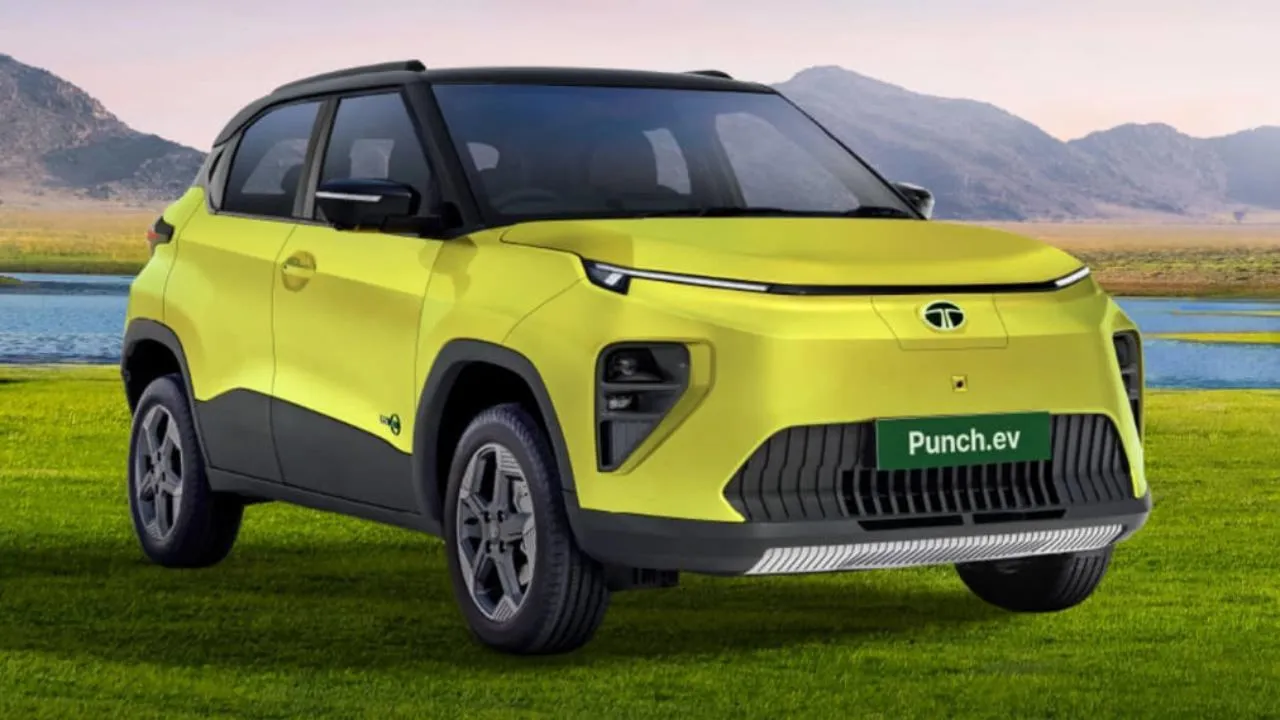
Automakers are expanding their EV portfolios to cater to different price segments. Companies like Tata Motors and Mahindra & Mahindra offer models ranging from entry-level to premium categories.
This variety allows consumers to choose vehicles based on budget and requirements. Compact EVs appeal to urban buyers, while larger models attract families and long distance users.
Technological improvements such as better battery range, faster charging, and connected features enhance the appeal of these vehicles.
As competition increases, prices are expected to become more competitive, further boosting demand.
Environmental Awareness and Urban Pollution Concerns
Environmental awareness is another factor influencing EV adoption. Urban pollution levels in cities like Bengaluru and Chennai have raised concerns about air quality.
Consumers are increasingly conscious of the environmental impact of their choices. EVs offer a cleaner alternative by reducing tailpipe emissions.
Corporate fleets and ride-sharing services are also adopting EVs to meet sustainability goals. This shift creates visibility and encourages individual buyers to follow suit.
The link between EV adoption and improved air quality is becoming a key part of the decision-making process.
Challenges That Still Affect EV Adoption
Despite strong growth, challenges remain. High upfront costs continue to be a barrier for many buyers, especially in lower income segments.
Battery costs, limited charging infrastructure in some regions, and concerns about resale value can influence purchasing decisions. Awareness gaps in smaller cities also need to be addressed.
Manufacturers and policymakers must continue to work on reducing costs and improving accessibility. Financing options and battery leasing models may help overcome these challenges.
Addressing these issues will be essential for sustaining long term growth in EV demand.
What This Means for India’s Auto Market
The rise in EV demand despite high prices signals a major transition in India’s automotive market. Consumers are shifting toward long term value, sustainability, and technology driven solutions.
Automakers are responding by increasing investment in EV development and infrastructure partnerships. The market is becoming more competitive, leading to innovation and better products.
Over time, economies of scale and technological advancements are expected to reduce costs, making EVs accessible to a larger population.
This trend indicates that electric mobility is moving from early adoption to mainstream acceptance in India.
Key Takeaways
- EV demand is rising due to lower running costs and long term savings
- Government incentives and fuel price increases support adoption
- Charging infrastructure expansion is reducing range anxiety
- Challenges include high upfront cost and infrastructure gaps
Frequently Asked Questions
Why are EVs expensive in India?
High battery costs and limited economies of scale contribute to higher prices.
Why are people still buying EVs despite high prices?
Lower running costs, incentives, and environmental benefits make them attractive long term investments.
Is charging infrastructure improving in India?
Yes, both public and private sectors are expanding charging networks rapidly.
Will EV prices decrease in the future?
Prices are expected to fall as technology improves and production scales up.