























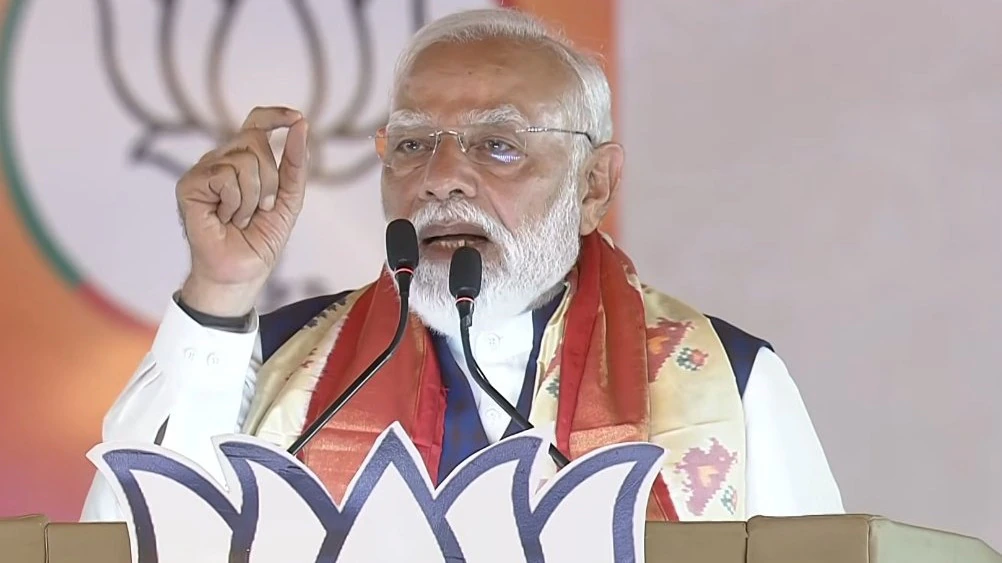
Prime Minister Narendra Modi’s recent appeal asking citizens to avoid buying gold and postpone foreign travel for one year has triggered widespread discussion. The message was presented as a voluntary economic measure aimed at reducing pressure on India’s foreign exchange reserves during a period of global uncertainty.
PM Modi’s Appeal Comes Amid Global Economic Pressure
Why PM Modi asked Indians to avoid buying gold and cut foreign travel for one year is closely linked to India’s import bill and the country’s dependence on global markets.
India imports a significant portion of the crude oil it consumes, and it also remains one of the world’s largest buyers of gold. Both commodities are paid for in US dollars. When global oil prices rise or the rupee weakens, India’s cost of imports increases sharply.
In this context, the Prime Minister urged citizens to limit discretionary spending on imported goods and services. The suggestion was not a policy directive or legal restriction. It was framed as a national effort to conserve foreign exchange and reduce economic vulnerability.
Why Gold Imports Matter to India’s Economy
Gold holds deep cultural and financial importance in India. Families buy jewellery for weddings, festivals, and long-term savings. However, large-scale gold imports also create economic challenges.
When Indians purchase more gold, the country needs to spend more dollars to import the metal. This increases pressure on the current account deficit, which measures the gap between money flowing out of the country and money coming in.
During periods of elevated oil prices, policymakers often encourage moderation in gold purchases to ease pressure on the rupee.
For households, gold remains a trusted store of value. For the broader economy, lower import demand can help stabilize external finances.
Why Foreign Travel Spending Is Also Under Scrutiny
Foreign travel contributes to the outflow of foreign currency because Indians spend on hotels, shopping, dining, and transport abroad.
In recent years, outbound tourism from India has grown significantly as international travel became more accessible.
By asking people to postpone non-essential overseas trips, the government is signaling that every dollar saved can strengthen the country’s reserves during uncertain times.
This does not mean international travel is being restricted. Citizens remain free to travel, but the appeal encourages more cautious discretionary spending.
Fuel Conservation and the Bigger Economic Message
The Prime Minister’s broader message also included reducing fuel consumption where possible.
India imports most of its crude oil requirements. If households and businesses cut fuel use by carpooling, using public transport, and reducing unnecessary travel, the national import bill can decline.
This approach is based on a simple principle: small actions by millions of people can collectively produce meaningful economic benefits.
The appeal also reinforces the importance of buying domestic products and prioritizing essential spending.
Public Reaction: Support, Criticism and Memes
The remarks quickly generated strong reactions online.
Supporters described the message as a practical appeal for economic discipline. They argued that reducing non-essential imports is a responsible response during volatile global conditions.
Critics said that postponing gold purchases or foreign vacations may not be realistic for everyone, particularly for families with wedding plans.
Social media users added humor to the conversation, sharing memes about destination weddings being replaced by local celebrations and jewellery shopping being put on hold.
Despite the mixed reactions, the comments sparked a national discussion about personal finance and economic priorities.
What the Appeal Means for Indian Households
For most families, the speech serves as a reminder to review discretionary spending.
Households planning major purchases may reassess timing and budget. Travelers may compare domestic alternatives. Commuters may look for ways to save on fuel costs.
The underlying message is not that gold or travel is inherently problematic. Instead, it emphasizes moderation when the broader economy faces external pressures.
Whether citizens follow the advice or not, the appeal has drawn attention to how personal spending choices connect to national economic health.
Key Takeaways
- PM Modi urged Indians to postpone non-essential gold purchases and foreign travel for one year.
- The goal is to reduce pressure on foreign exchange reserves during a period of high global uncertainty.
- Gold and overseas travel both involve substantial outflows of US dollars.
- The appeal is voluntary and does not impose any legal restrictions.
FAQs
Did PM Modi ban gold purchases in India?
No. The Prime Minister made a public appeal, not a regulatory announcement.
Why was gold specifically mentioned?
India imports large quantities of gold, which increases demand for foreign currency.
Are Indians being asked not to travel abroad?
There is no restriction. The suggestion was to postpone non-essential foreign travel if possible.
How does this help the economy?
Lower spending on imports can reduce pressure on the rupee and conserve foreign exchange reserves.