























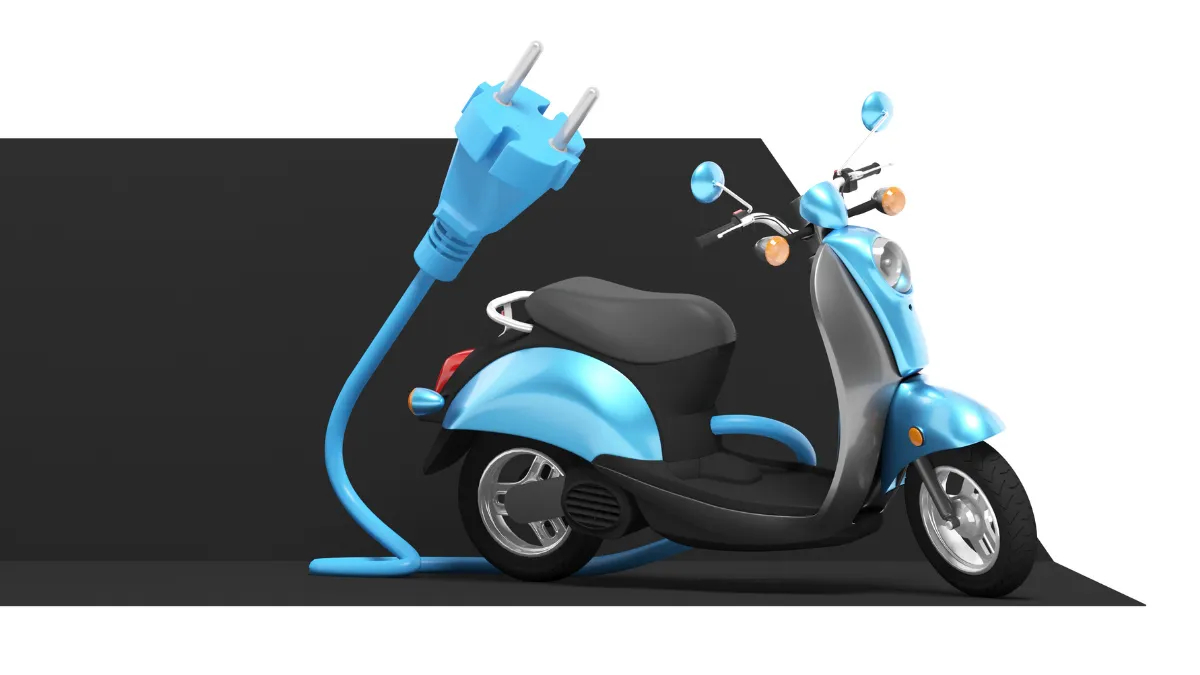
Electric two wheelers are emerging as the strongest candidate to lead India’s mobility transition by 2030. With rising fuel costs, policy support, and urban commuting needs, this segment is gaining momentum across metros and smaller cities alike.
Why Electric Two Wheelers Are Gaining Rapid Momentum
Electric two wheelers are at the center of India’s mobility conversation, making this a semi time sensitive trend with strong long term implications. Two wheelers already dominate India’s vehicle market in terms of volume, which gives electric variants a natural advantage.
Unlike cars, two wheelers are primarily used for daily commuting, short distances, and delivery services. These use cases align well with current EV capabilities such as limited range and overnight charging.
Companies like Ola Electric, Ather Energy, and TVS Motor Company have launched models that target urban commuters.
The combination of high demand and practical usability is accelerating adoption across different regions.
Cost Advantage and Lower Running Expenses
One of the biggest reasons behind the rise of electric two wheelers is their cost efficiency. While upfront prices may still be higher than petrol scooters, running costs are significantly lower.
Electricity is cheaper than petrol on a per kilometre basis, and maintenance requirements are minimal due to fewer moving parts. This makes electric two wheelers particularly attractive for daily users.
For gig workers and delivery riders, the savings can be substantial over time. Lower operating costs directly impact earnings, making EVs a practical financial decision.
As battery costs gradually decline, the price gap between electric and petrol models is expected to narrow further.
Government Support and Policy Push
Government initiatives are playing a crucial role in accelerating adoption. Schemes such as the FAME India Scheme provide incentives that reduce purchase costs for electric two wheelers.
State governments are also offering additional benefits such as subsidies, tax exemptions, and incentives for manufacturers. These policies aim to increase EV penetration and reduce urban pollution.
In some cities, local authorities are encouraging the use of electric vehicles for delivery services and public transport, further boosting demand.
Policy support creates a favourable environment for both consumers and manufacturers, ensuring sustained growth.
Role of Tier-2 and Tier-3 Cities in Adoption
Electric two wheelers are not limited to metro cities. Tier-2 and Tier-3 regions are becoming key drivers of growth due to affordability and practicality.
Cities like Nagpur, Indore, and Surat are witnessing increased adoption as charging infrastructure expands.
In these areas, two wheelers are often the primary mode of transport. Electric variants offer a cost effective alternative for commuting, especially in regions with rising fuel prices.
The spread of EV adoption beyond metros indicates a broader market shift that could accelerate over the next decade.
Charging Infrastructure and Battery Technology Improvements
Charging infrastructure is improving, though it remains a work in progress. Home charging is a major advantage for two wheeler users, as most vehicles can be charged overnight using standard power outlets.
Public charging stations and battery swapping networks are also expanding. These solutions address range anxiety and reduce downtime for users who rely on their vehicles for work.
Battery technology is evolving, with improvements in range, durability, and charging speed. These advancements enhance user confidence and make electric two wheelers more practical for everyday use.
As infrastructure continues to grow, adoption barriers are expected to decrease.
Challenges That Could Slow Down Growth
Despite strong momentum, challenges remain. High upfront costs still deter some buyers, particularly in price sensitive markets.
Battery replacement costs and concerns about long term durability can also influence decisions. In rural areas, limited charging infrastructure and awareness gaps may slow adoption.
Competition from traditional petrol models, which are widely available and familiar to consumers, remains strong.
Manufacturers and policymakers need to address these issues through better financing options, awareness campaigns, and continued innovation.
What This Means for India’s Mobility Future
Electric two wheelers have the potential to become India’s biggest mobility shift by 2030. Their widespread adoption can significantly reduce fuel consumption, lower emissions, and improve urban air quality.
For manufacturers, this segment offers opportunities for growth and innovation. For consumers, it provides a cost effective and sustainable mode of transport.
The transition will not happen overnight, but current trends indicate steady progress. As technology improves and infrastructure expands, electric two wheelers are likely to become a mainstream choice.
The next few years will be critical in determining how quickly this shift takes place.
Key Takeaways
- Electric two wheelers align well with India’s commuting patterns
- Lower running costs make them financially attractive
- Government incentives are accelerating adoption
- Challenges include upfront cost and infrastructure gaps
Frequently Asked Questions
Why are electric two wheelers popular in India?
They offer lower running costs and are suitable for daily short-distance commuting.
Will electric scooters replace petrol scooters by 2030?
They may not fully replace them but are expected to capture a significant market share.
Is charging infrastructure sufficient for two wheelers?
Home charging works well, but public infrastructure is still expanding.
What are the main challenges for adoption?
High upfront cost, battery concerns, and limited awareness in some regions.