


























Early pre-monsoon showers in Mumbai have pushed civic authorities and transport agencies into preparation mode. For daily commuters, the sudden rains are a reminder that travel delays, waterlogging, and service disruptions can begin well before the official monsoon arrives.
Mumbai Rains Signal the Start of Monsoon Preparations
Mumbai rains in early May are not unusual, but they often serve as the first real test of the city’s monsoon preparedness. This year’s showers have prompted the Brihanmumbai Municipal Corporation (BMC), suburban rail operators, and traffic police to accelerate inspections and preventive work.
Crews have been cleaning stormwater drains, checking pumping stations, trimming tree branches, and identifying low-lying areas prone to flooding.
For commuters, this means the city is entering a transition period when weather can change quickly and transportation systems may face short-term disruptions.
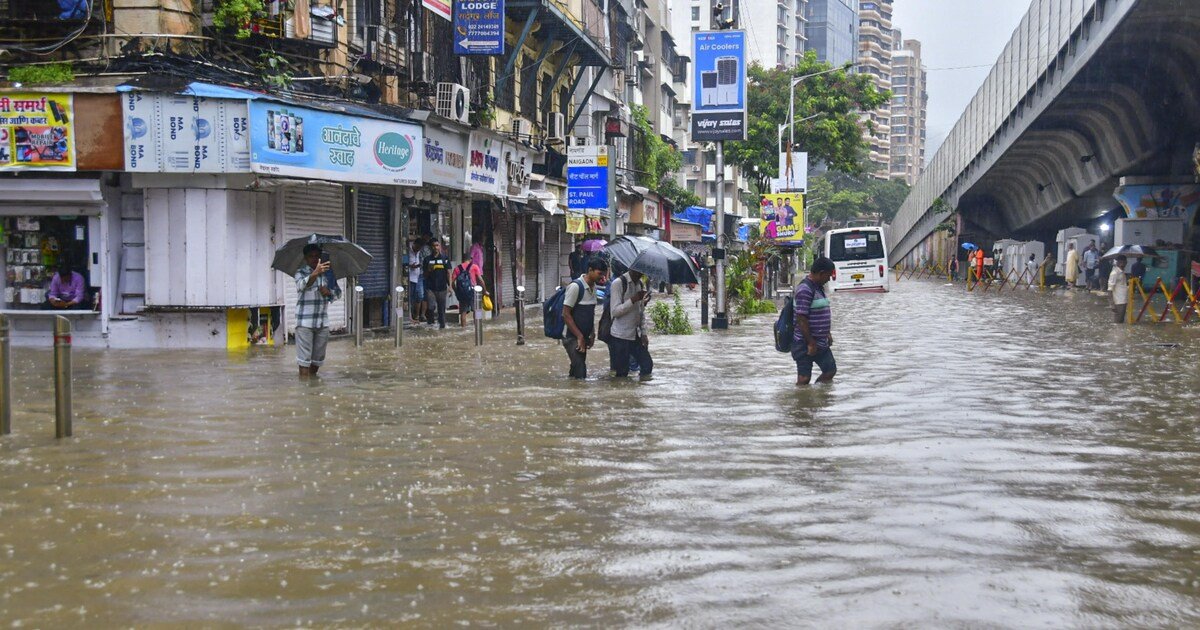
Even moderate rainfall can affect traffic movement in a city where millions depend on local trains, buses, metro services, and road transport every day.
How Mumbai Rains Affect Local Trains and Road Traffic
Mumbai’s suburban railway network remains the backbone of daily travel. During intense rainfall, water accumulation near tracks, signal issues, and reduced visibility can lead to delays.
Road commuters face separate challenges. Waterlogging at known choke points such as Sion, King’s Circle, Andheri Subway, and Kurla can slow traffic significantly.
Bus routes may be diverted, and ride-hailing fares often surge during peak rainfall periods.
Motorists and two-wheeler riders should expect longer travel times whenever heavy rain coincides with office hours.
The impact is usually temporary, but the first few rain spells often expose vulnerabilities in drainage and traffic management.
What the BMC and Civic Agencies Are Doing
The BMC begins monsoon preparedness work weeks before the official rainy season.
Key measures include:
- Desilting nullahs and roadside drains
- Testing pumping stations in flood-prone zones
- Repairing potholes and damaged roads
- Inspecting trees that may pose a risk during strong winds
- Coordinating with rail and traffic authorities
These preventive steps are designed to reduce flooding and improve emergency response.
While no city can eliminate disruptions entirely during heavy rain, timely maintenance can reduce the severity and duration of problems.
Practical Monsoon Travel Tips for Mumbai Commuters
Commuters can reduce inconvenience by making a few simple adjustments.
Check weather forecasts before leaving home. Allow extra travel time if rain is predicted. Carry waterproof bags for electronics and important documents.
Footwear with good grip is useful on slippery surfaces. Keep umbrellas or raincoats ready, even if the morning starts clear.
If your route passes through flood-prone areas, consider alternate roads or public transport options.
Staying informed through official updates from railway operators, the BMC, and traffic police can help avoid unnecessary delays.
Why Early Showers Matter for the City
Pre-monsoon rainfall acts as a stress test for urban infrastructure.
It reveals clogged drains, weak road surfaces, and areas where traffic management needs improvement.
For authorities, these early rains provide an opportunity to address issues before the peak monsoon period in June and July.
For residents, they are a reminder that preparedness matters.
A small delay today can help prevent larger disruptions when the full monsoon arrives.
What Commuters Should Expect in the Coming Weeks
As humidity rises and rain activity becomes more frequent, Mumbai commuters should be prepared for occasional disruptions.
Most days will continue normally, but short spells of heavy rain can lead to localized delays.
The best approach is practical planning. Leave earlier when possible, monitor service alerts, and keep backup travel options in mind.
Mumbai has extensive experience handling the monsoon, but flexibility remains essential for anyone who travels daily.
Key Takeaways
- Early Mumbai rains have triggered accelerated monsoon preparations by civic agencies.
- Local trains, roads, and bus services may face temporary delays during heavy showers.
- The BMC is cleaning drains, testing pumps, and repairing vulnerable infrastructure.
- Commuters should track forecasts and allow extra travel time during rainy periods.
FAQs
Why are Mumbai rains significant in May?
They often mark the beginning of pre-monsoon activity and test the city’s readiness.
Which areas are most affected by waterlogging?
Low-lying locations such as Sion, King’s Circle, Kurla, and Andheri Subway are commonly impacted.
Can local trains be delayed due to rain?
Yes. Heavy rainfall can affect signals, visibility, and track conditions.
How can commuters prepare?
Check weather updates, leave early, and carry rain protection and waterproof bags.