




























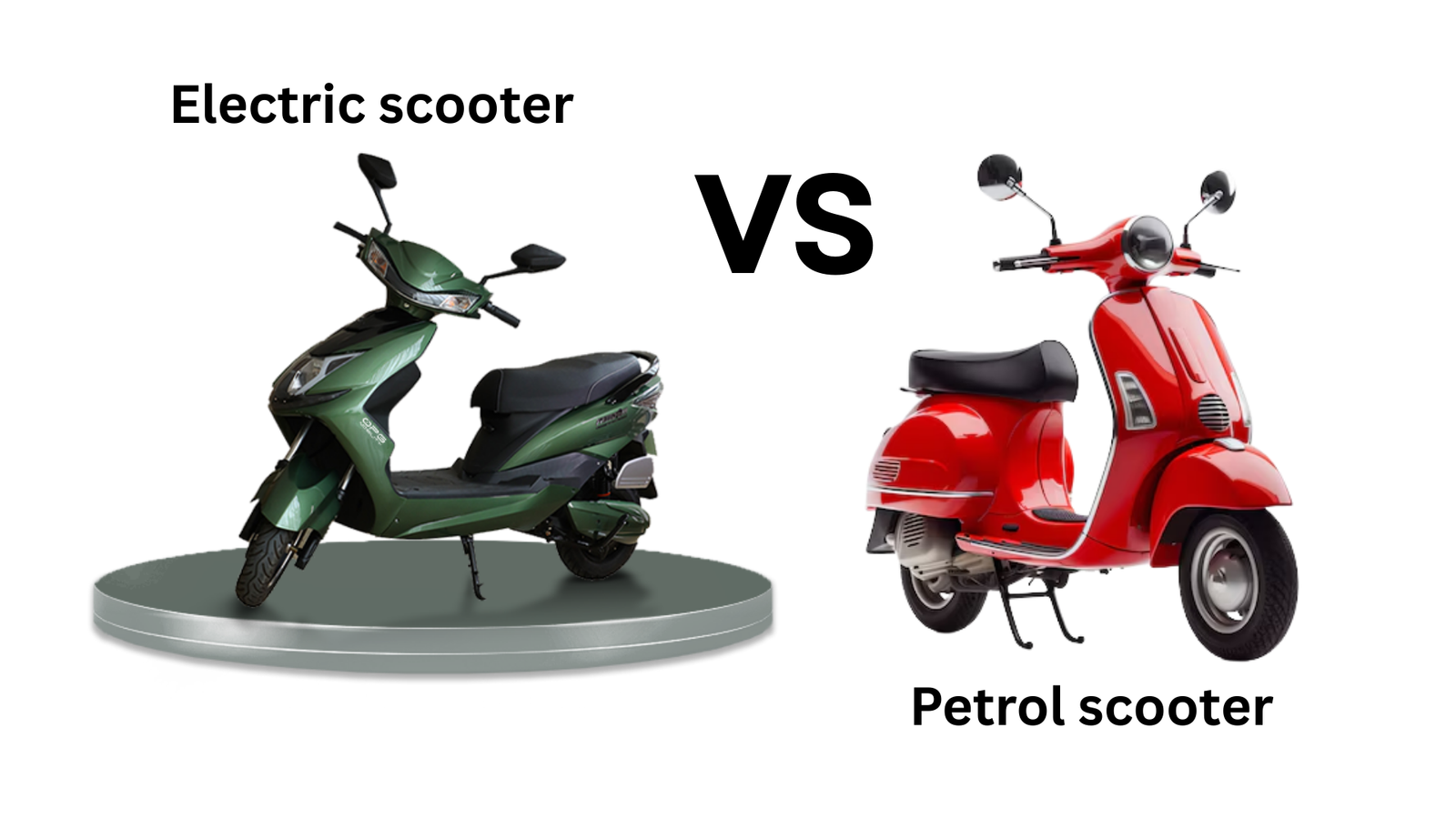
Electric scooters vs petrol scooters cost comparison after one year is becoming a key decision factor for Indian buyers. With rising fuel prices and EV incentives, understanding real ownership costs helps determine which option delivers better value.
Electric Scooters vs Petrol Scooters Cost Comparison Overview
The electric scooters vs petrol scooters cost breakdown after one year shows a clear difference in running expenses in India. While electric scooters have a higher upfront cost, they typically offer lower operating expenses compared to petrol models.
Petrol scooters remain popular due to lower initial pricing and established infrastructure. However, long term costs are increasingly influencing buyer decisions, especially for daily commuters.
The comparison depends on factors such as daily usage, electricity tariffs, fuel prices, and maintenance requirements.
Purchase Cost and Initial Investment
Electric scooters generally have a higher purchase price than petrol scooters. Models from Ola Electric and Ather Energy often cost more upfront due to battery technology and advanced features.
Petrol scooters from brands like Honda and TVS Motor Company are more affordable at entry level.
Government incentives and subsidies can reduce the effective price of electric scooters, narrowing the gap. State policies vary, impacting final costs.
Buyers must consider whether higher upfront investment aligns with long term savings.
Running Cost After One Year
Running cost is where electric scooters gain a significant advantage. Charging an electric scooter is considerably cheaper than refueling a petrol scooter.
On average, electricity cost per kilometre is much lower compared to petrol expenses. For daily commuters, this results in noticeable savings over time.
Petrol scooters incur ongoing fuel costs, which can fluctuate with market prices. Over one year, frequent usage can lead to substantial expenditure.
Electric scooters provide more predictable running costs, making budgeting easier for users.
Maintenance and Service Expenses
Maintenance costs also differ between electric and petrol scooters. Electric scooters have fewer moving parts, reducing the need for frequent servicing.
There is no engine oil, clutch, or complex transmission system, which lowers maintenance requirements. However, battery health is a critical factor, and replacement costs can be high after several years.
Petrol scooters require regular servicing, including oil changes, filter replacements, and engine maintenance. These recurring costs add to overall ownership expenses.
In the first year, electric scooters generally have lower maintenance costs.
Performance and Usage Considerations
Performance is an important factor in the electric scooters vs petrol scooters comparison. Electric scooters offer instant torque and smooth acceleration, making them suitable for city commuting.
Petrol scooters provide consistent performance and longer range, which can be advantageous for extended travel.
Charging infrastructure and time required for charging are considerations for electric scooter users. Petrol scooters benefit from widespread fuel availability and quick refueling.
Usage patterns play a key role in determining which option is more practical.
Total Cost of Ownership After One Year
When evaluating total cost of ownership after one year, electric scooters often emerge as a cost effective option for high usage scenarios. Savings on fuel and maintenance can offset the higher initial investment.
For users with limited daily travel, the cost advantage may be less significant. In such cases, petrol scooters can remain a practical choice.
Insurance costs, resale value, and depreciation also influence overall expenses. Electric scooters are still developing a resale market, while petrol scooters have established value retention.
A detailed cost analysis based on individual usage is essential.
Environmental Impact and Long Term Benefits
Electric scooters offer environmental benefits by reducing emissions and dependence on fossil fuels. This aligns with sustainability goals in India.
Petrol scooters contribute to air pollution and carbon emissions, which are growing concerns in urban areas.
Government policies promoting electric mobility are expected to strengthen the case for EV adoption in the coming years.
Long term benefits of electric scooters may extend beyond cost savings to environmental impact.
Final Verdict Which One Is Better After One Year
The electric scooters vs petrol scooters cost breakdown after one year indicates that electric scooters are more economical for frequent users due to lower running and maintenance costs.
However, petrol scooters remain relevant for buyers prioritizing lower upfront cost and convenience of refueling.
The choice ultimately depends on usage patterns, budget, and infrastructure availability. Both options have their advantages, making it important to evaluate individual needs.
Takeaways
- Electric scooters have higher upfront cost but lower running expenses
- Petrol scooters are cheaper initially but cost more over time
- Maintenance is lower for electric scooters in the first year
- Choice depends on usage, budget, and infrastructure
FAQs
Q1. Are electric scooters cheaper than petrol scooters after one year?
Yes, for regular users, lower running costs make them more economical.
Q2. What is the main advantage of petrol scooters?
Lower initial cost and easy refueling.
Q3. Do electric scooters require less maintenance?
Yes, due to fewer mechanical components.
Q4. Is charging infrastructure a concern in India?
It can be in some areas, but it is improving rapidly.