




























Chennai’s flood preparedness plan for 2026 introduces updated measures to reduce urban flooding risks. Authorities have focused on drainage upgrades, early warning systems, and coordinated response strategies following lessons from past flood events in the city.
Chennai Flood Preparedness Plan 2026 Gains Focus
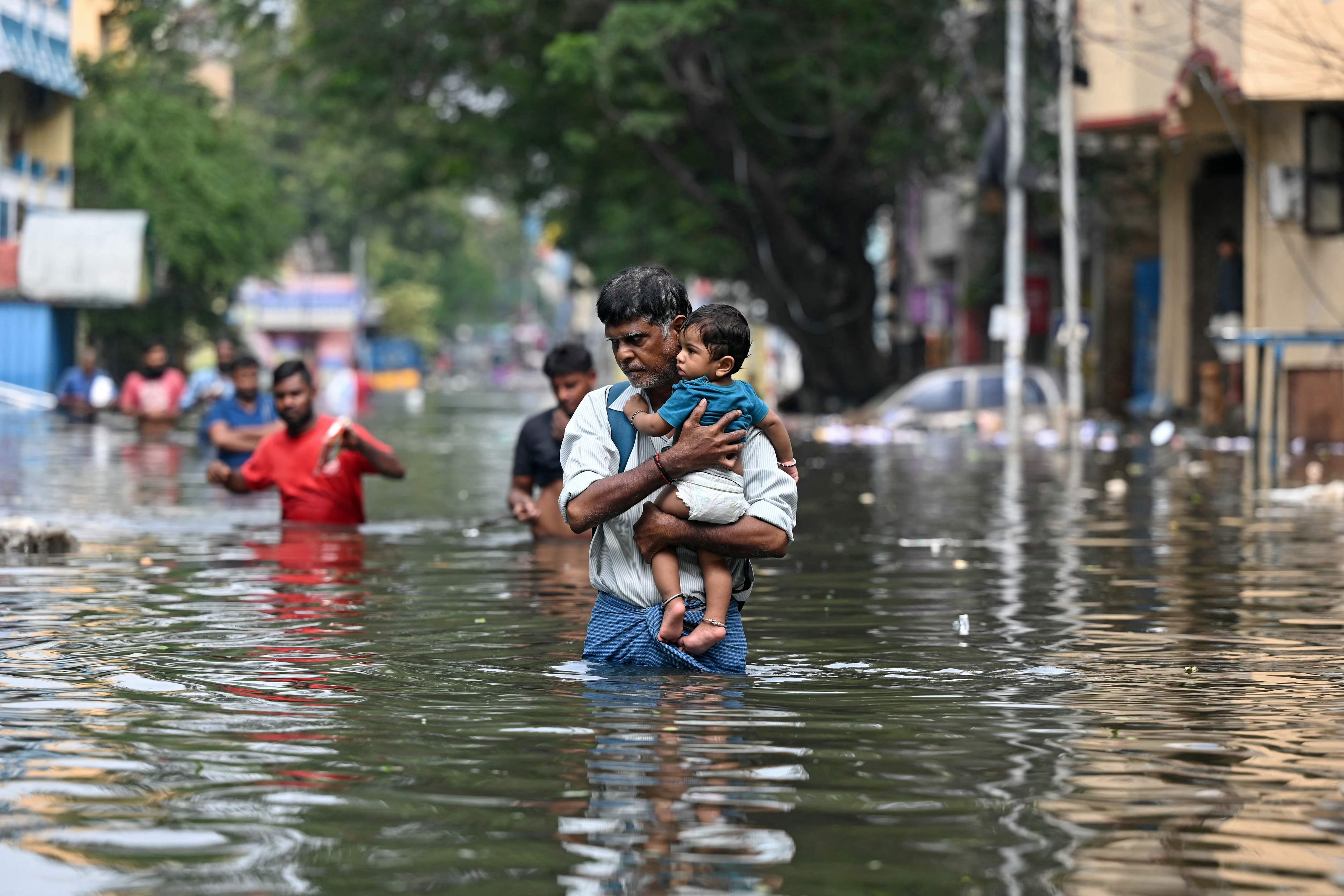
The Chennai flood preparedness plan 2026 comes as authorities in Chennai strengthen systems ahead of the monsoon season. After repeated flooding incidents in previous years, including the severe 2015 floods, the city has prioritized preventive infrastructure and emergency response improvements.
The plan is being implemented through coordination between civic agencies such as the Greater Chennai Corporation and state departments. The focus is on minimizing waterlogging, improving drainage efficiency, and ensuring quicker response during heavy rainfall events.
This year’s approach emphasizes preparedness rather than reactive measures, aiming to reduce disruption to daily life.
Stormwater Drain Upgrades and Infrastructure Changes
One of the key components of the Chennai flood preparedness plan 2026 is the expansion and modernization of stormwater drainage systems. Several new drains have been constructed, while existing ones have been widened and desilted to improve water flow.
Low lying and flood prone areas have been identified for targeted intervention. These include neighborhoods that historically face severe waterlogging during heavy rains.
Infrastructure upgrades also include improved pumping stations to remove excess water more efficiently. Authorities have focused on ensuring that drains are not blocked by waste, which has been a recurring issue in the past.
These measures are expected to significantly reduce the duration and severity of flooding in critical zones.
Early Warning Systems and Technology Integration
The 2026 plan places greater emphasis on early warning systems and real time monitoring. Weather data from the India Meteorological Department is being integrated with local monitoring systems to provide timely alerts.
Authorities are using digital dashboards to track rainfall intensity, water levels, and drainage performance across different parts of Chennai. This allows faster decision making and resource allocation during emergencies.
Public alert systems, including mobile notifications and social media updates, are also being strengthened. These systems aim to inform residents about potential risks and necessary precautions in advance.
Technology driven monitoring is expected to improve coordination between departments and reduce response time.
Focus on Encroachment Removal and Waterways
Another important change in the Chennai flood preparedness plan 2026 is the focus on clearing encroachments along waterways and drainage channels. Blocked canals and lakes have been identified as major contributors to urban flooding.
Efforts are underway to restore natural water flow by removing obstructions and reconnecting water bodies. This approach helps in managing excess rainwater more effectively.
Authorities are also working on lake restoration projects to increase storage capacity. Proper maintenance of these water bodies is crucial for long term flood management.
However, encroachment removal remains a sensitive issue, requiring careful handling and rehabilitation measures.
Emergency Response and Disaster Management Planning
The preparedness plan includes enhanced disaster response mechanisms. Emergency teams are being trained and equipped to handle flood situations more efficiently.
Relief centers, evacuation routes, and medical support systems have been mapped and updated. Coordination between agencies such as police, fire services, and health departments is being strengthened.
Regular drills and simulations are being conducted to ensure readiness. These exercises help identify gaps and improve response strategies.
The focus is on minimizing loss of life and property while ensuring quick recovery after flood events.
Challenges and What Still Needs Improvement
Despite improvements, challenges remain in fully addressing flood risks in Chennai. Rapid urbanization, unplanned development, and climate variability continue to pose risks.
Maintenance of drainage systems is critical. Even well designed infrastructure can fail if not regularly cleaned and monitored.
Public participation is another key factor. Waste disposal practices and adherence to regulations play a role in preventing blockages.
Experts suggest that long term urban planning and sustainable development practices are essential to complement current preparedness measures.
Takeaways
- Chennai flood preparedness plan 2026 focuses on prevention and infrastructure upgrades
- Stormwater drain expansion and desilting are key improvements
- Technology driven monitoring and early warning systems are being strengthened
- Challenges include urbanization, maintenance, and encroachment issues
FAQs
Q1. What is new in Chennai flood preparedness plan 2026?
The plan includes upgraded drainage systems, improved early warning systems, and better emergency response coordination.
Q2. How will stormwater drains help reduce flooding?
Improved drains allow faster water flow, reducing waterlogging in flood prone areas.
Q3. What role does technology play in the plan?
Real time monitoring and alerts help authorities respond quickly to changing conditions.
Q4. Are flood risks completely eliminated with this plan?
No, but the measures are expected to significantly reduce the impact and improve response.