

























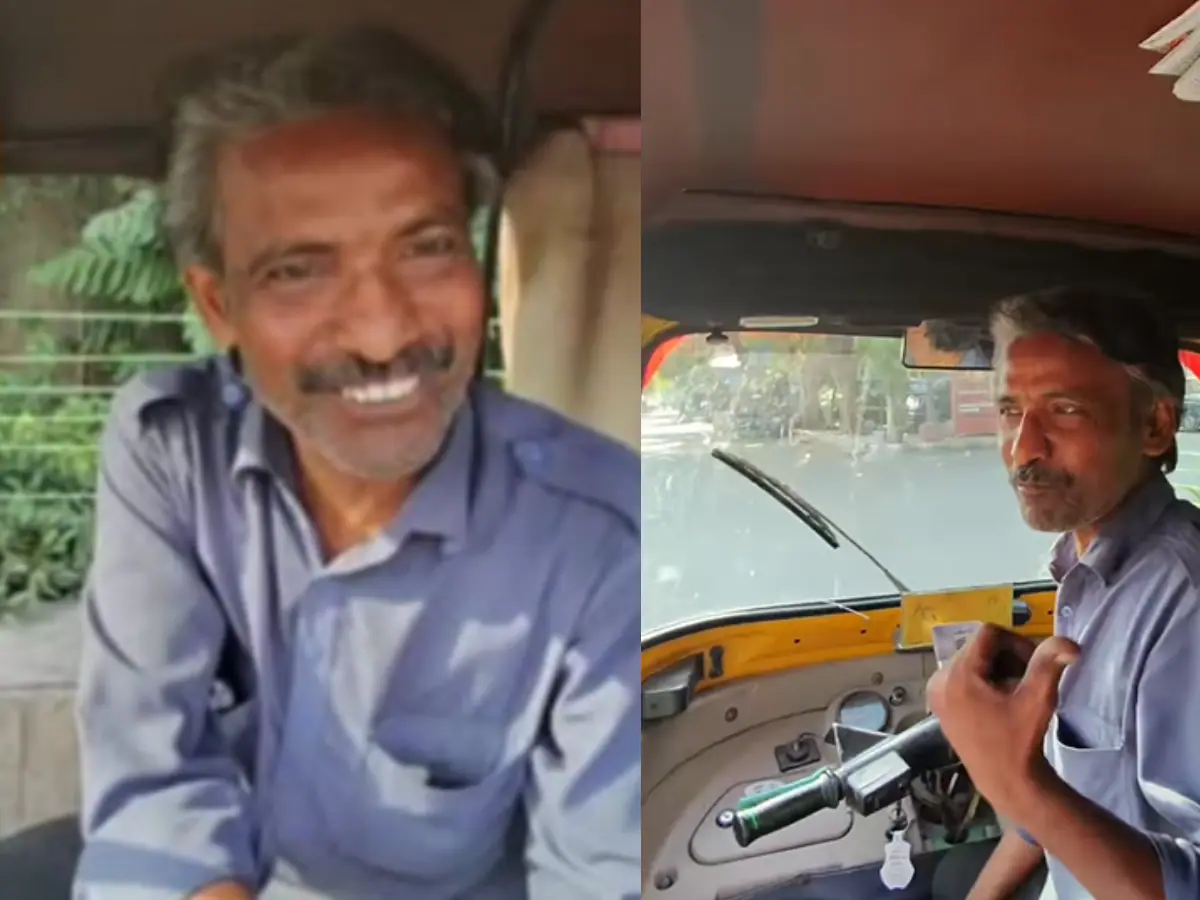
An auto driver’s English reply to a foreigner has gone viral on social media, drawing widespread appreciation for its simplicity and confidence. The moment highlights everyday interactions in India that reflect changing language dynamics and the growing comfort with English in public spaces.
Auto Driver’s English Reply Video Gains Viral Attention
The auto driver’s English reply became a trending topic after a video showed a conversation between an Indian auto driver and a foreign tourist. In the clip, the driver responds fluently and confidently in English, surprising the tourist and viewers alike.
The video quickly spread across platforms like Instagram and X, where users praised the driver’s communication skills and composure. Many comments focused on how such interactions challenge stereotypes about language barriers in India.
The viral reach was driven by relatability and positivity. Unlike conflict driven viral content, this clip stood out for its wholesome and respectful exchange.
Changing Language Trends in Urban and Semi Urban India
The auto driver’s English reply reflects a broader shift in language usage across Indian cities. English is no longer limited to formal workplaces or elite institutions. It is increasingly used in everyday interactions, especially in urban and tourist heavy areas.
Cities like Mumbai, Delhi, and Bengaluru have seen this trend grow due to exposure to global audiences, digital platforms, and service based economies.
Auto drivers, cab operators, and street vendors often pick up conversational English through daily interactions. This practical learning approach enables them to communicate effectively without formal training.
Social Media Amplifies Positive Everyday Moments
The viral success of this video shows how social media is increasingly highlighting positive and relatable stories. Platforms like X and Instagram play a key role in turning ordinary moments into widely shared content.
Users often engage more with content that feels authentic. In this case, the natural conversation between the auto driver and the tourist created a genuine connection with viewers.
Such videos also contribute to shaping global perceptions of India. Positive interactions with locals can influence how international audiences view the country’s hospitality and adaptability.
Breaking Stereotypes Around Language and Class
The auto driver’s English reply challenges long standing assumptions about language proficiency and socio economic backgrounds. English in India is often associated with formal education and white collar jobs, but this incident shows a more nuanced reality.
Language skills today are increasingly shaped by exposure rather than formal schooling alone. Mobile phones, social media, and everyday interactions provide learning opportunities across different sections of society.
This shift is particularly visible in service sectors, where communication with diverse customers is essential. Basic English proficiency can improve earning potential and customer experience.
The Role of Tourism and Daily Interaction
Tourism plays a significant role in shaping such interactions. Foreign visitors often rely on local transport services, creating opportunities for cross cultural communication.
Auto drivers who frequently interact with tourists tend to develop practical language skills over time. This not only helps them professionally but also enhances the overall travel experience for visitors.
The viral video serves as an example of how small interactions can leave a lasting impression. It also highlights the importance of adaptability in a rapidly changing social and economic environment.
Takeaways
- Auto driver’s English reply went viral for its simplicity and confidence
- Everyday interactions are driving language learning across India
- Social media amplifies positive and relatable real life moments
- Language skills are increasingly shaped by exposure rather than formal education
FAQs
Q1. Why did the auto driver’s English reply go viral?
The video showcased a confident and unexpected English response, which surprised viewers and challenged common assumptions.
Q2. Is English commonly used by auto drivers in India?
In major cities and tourist areas, many drivers use basic conversational English learned through daily interactions.
Q3. How are people learning English without formal training?
Exposure through smartphones, social media, and customer interactions helps many individuals pick up practical language skills.
Q4. What does this trend indicate about India?
It reflects increasing adaptability, exposure to global audiences, and evolving communication patterns in everyday life.