










AI-generated political speech memes are rapidly gaining traction across Indian social media, blending satire with technology. These clips mimic public figures using artificial intelligence, raising questions about humour, misinformation, and the growing influence of deepfake-style content in everyday online conversations.
How AI-Generated Political Speech Memes Are Spreading
The trend around AI-generated political speech memes in India has picked up pace on platforms like Instagram, YouTube, and X. These memes typically use AI voice cloning or text-to-speech tools to recreate speeches in the voice of well-known political figures.
Creators often combine synthetic audio with edited video clips to produce humorous or exaggerated messages. In many cases, the content is clearly satirical. However, the realism of AI voices has improved significantly, making it harder for casual viewers to distinguish between real and generated content.
The format works because it is quick to consume and easy to share. A 20 to 40 second clip can deliver humour, commentary, and shock value all at once. This aligns well with how Indian audiences consume short-form content today.
Why This Meme Trend Is Gaining Popularity
Several factors explain the rapid rise of AI political meme trends in India. First is accessibility. AI tools for voice generation and video editing have become widely available, even to users without technical backgrounds. Many apps now allow users to input text and generate realistic voiceovers within minutes.
Second is the strong culture of political humour in India. Satire has always been a part of public discourse, from cartoons to stand-up comedy. AI simply adds a new layer, making the content more immersive.
Another reason is the algorithmic push. Platforms prioritise content that keeps users engaged. AI-generated political memes often trigger reactions such as surprise, amusement, or debate, which increases their reach.
The Role of Deepfake Technology and AI Tools
At the core of this trend is the advancement in deepfake and voice cloning technology. While full video deepfakes require more resources, audio-based AI manipulation is relatively easy to produce.
Tools powered by machine learning can analyse speech patterns, tone, and cadence to generate convincing replicas. This has made it possible for creators to simulate speeches that sound authentic even when the content is entirely fictional.
The broader concept ties into the rise of Artificial Intelligence in content creation. AI is no longer limited to automation or analytics. It is now shaping entertainment, communication, and even political commentary.
However, experts have repeatedly pointed out that such technology carries risks if misused. Without proper context, AI-generated speeches can be mistaken for real statements.
Concerns Around Misinformation and Ethical Use
The biggest concern linked to AI-generated political speech memes is misinformation. Even when created for humour, these clips can be taken out of context or shared without disclaimers.
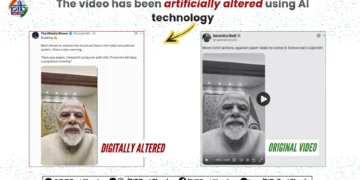
India has already seen instances where edited or misleading videos have influenced public opinion. AI amplifies this risk because it increases both the scale and realism of manipulated content.
There are also ethical questions. Is it acceptable to imitate a public figure’s voice without consent, even for satire? While laws around deepfakes are still evolving, platforms have started introducing policies to label or remove misleading AI-generated media.
Government bodies and digital safety experts have advised users to verify content before sharing. This is especially important during politically sensitive periods such as elections.
How Users Can Identify AI-Generated Content
For everyday users, spotting AI-generated political memes can be challenging but not impossible. One common sign is unnatural pacing or slight inconsistencies in tone. While AI voices are advanced, they may still lack the subtle variations of real human speech.
Visual mismatches can also be a clue. In some cases, the audio may not perfectly align with the speaker’s lip movements. Additionally, exaggerated or unlikely statements should prompt skepticism.
Users are encouraged to rely on verified news sources for confirmation. Social media content should be treated as entertainment unless proven otherwise.
What This Trend Means for Digital Culture in India
The rise of AI-generated political speech memes reflects a broader shift in India’s digital culture. Content creation is becoming more experimental, blending humour with emerging technology.
It also signals a change in how political narratives are consumed. Instead of long speeches or debates, audiences are engaging with bite-sized, remixable content.
At the same time, the trend highlights the need for stronger digital literacy. As AI tools become more powerful, the line between reality and fabrication will continue to blur.
For content creators, this trend offers creative opportunities. For viewers, it demands a more critical approach to what they watch and share.
Key Takeaways
- AI-generated political speech memes are trending due to accessibility and humour
- Social media algorithms are amplifying this content across platforms
- Deepfake and voice cloning technologies are central to the trend
- Misinformation risks make digital awareness increasingly important
Frequently Asked Questions
What are AI-generated political speech memes?
They are short videos or audio clips that use AI to mimic political figures delivering fictional or humorous speeches.
Why are these memes popular in India?
They combine satire with advanced technology, making them engaging and highly shareable.
Are AI-generated political speeches dangerous?
They can be if misused, especially when viewers mistake them for real statements.
How can users stay safe from misinformation?
By verifying content through trusted sources and being cautious about sharing unverified clips.