



























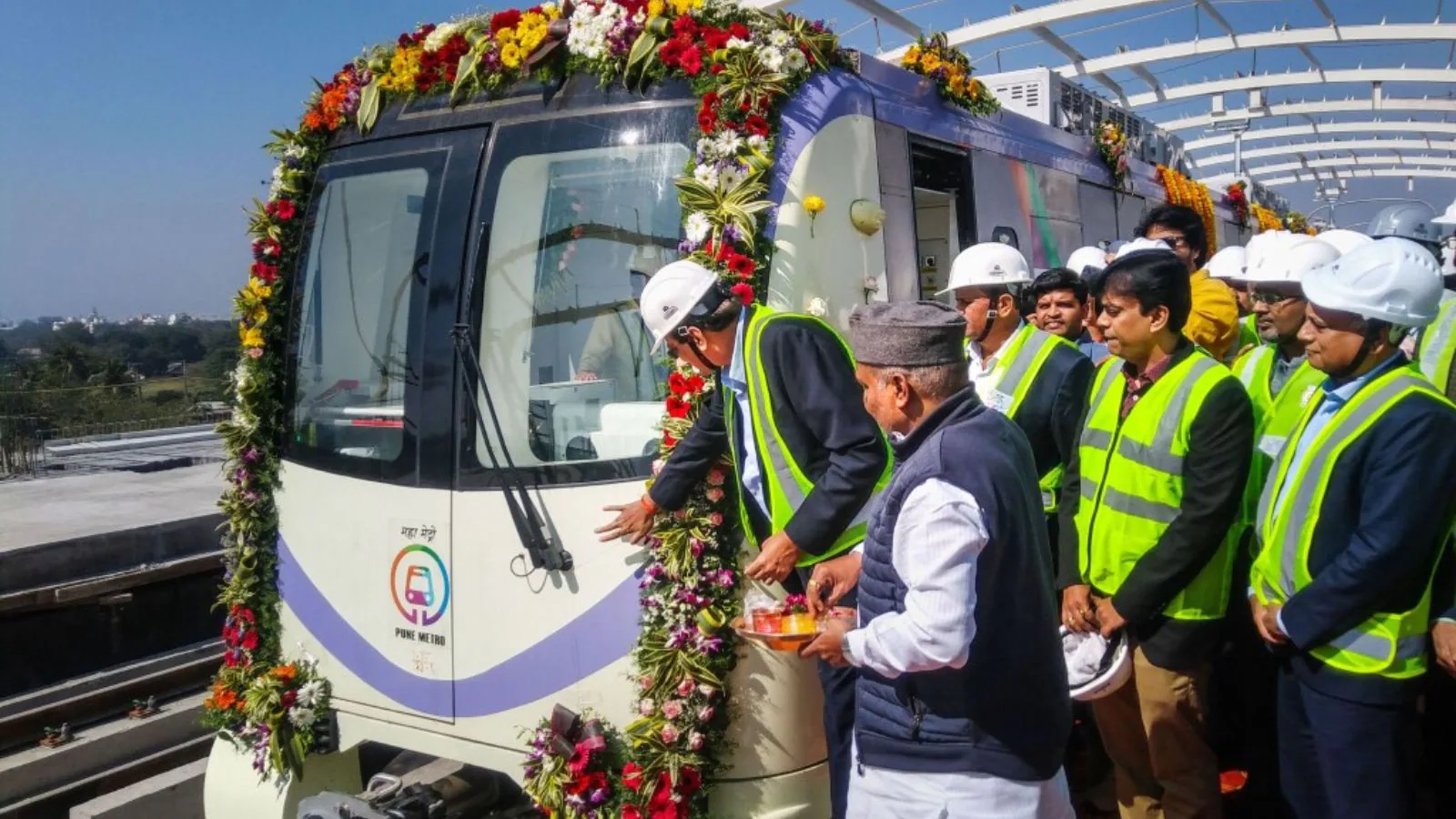
Pune is nearing a major milestone in its metro expansion, with new routes approaching completion in 2026. The development is expected to ease traffic congestion, improve connectivity, and reshape how residents commute across key parts of the city.
Pune metro routes near completion signal major shift
The Pune metro routes near completion are set to significantly change urban mobility patterns across the city. Key stretches under the Pune Metro project, including extensions on major corridors, are in advanced stages of construction and testing.
The project is being executed by Maharashtra Metro Rail Corporation Limited, which has already operationalized parts of the network in earlier phases. The upcoming sections aim to connect densely populated residential areas with commercial and IT hubs.
Corridors such as Pimpri Chinchwad to Swargate and Vanaz to Ramwadi are central to the expansion plan. Once fully operational, these routes will offer faster and more predictable travel options compared to road based transport.
The near completion of these routes indicates that Pune is entering a new phase of public transport development, where metro connectivity becomes a core part of daily commuting.
Impact on Pune traffic congestion and travel time
Traffic congestion has been a persistent issue in Pune, especially on arterial roads connecting Hinjewadi, Shivajinagar, and central city areas. The Pune metro expansion is expected to reduce pressure on these routes by shifting a portion of commuters to rail based transport.
Daily travel time for office goers and students is likely to decrease as metro services offer dedicated tracks unaffected by road traffic conditions. This can improve punctuality and reduce stress associated with long commutes.
Feeder services and last mile connectivity options are also being planned to ensure smoother access to metro stations. These include buses, shared mobility solutions, and pedestrian friendly infrastructure.
While the full impact will depend on adoption rates, early trends from operational sections suggest growing commuter interest in metro travel.
Connectivity benefits for IT hubs and residential areas
One of the key advantages of the Pune metro routes near completion is improved connectivity between IT hubs and residential zones. Areas such as Hinjewadi, Kharadi, and Baner are expected to benefit from better access once the network expands further.
Although Hinjewadi connectivity is part of a separate metro line under development, the current expansion still strengthens the overall network by linking major transit points. This creates a more integrated system for commuters.
Residential areas along the corridors will see increased accessibility, potentially influencing real estate demand. Properties located near metro stations often experience higher demand due to ease of travel.
For businesses, improved connectivity can enhance workforce mobility and reduce dependence on private vehicles.
Challenges in execution and project delays
Despite the progress, the Pune metro project has faced delays and execution challenges over the years. Factors such as land acquisition, construction hurdles, and coordination between agencies have affected timelines.
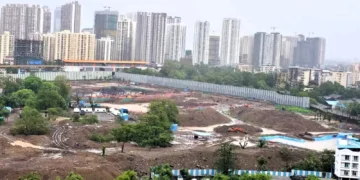
Road closures and diversions during construction have also caused inconvenience to commuters. In several areas, ongoing work has contributed to temporary traffic congestion and dust related issues.
However, with most structural work nearing completion on key routes, the focus has shifted to testing, safety checks, and final integration. These steps are critical to ensure reliable and secure operations once services begin.
Authorities have indicated that phased openings may continue, allowing sections to become operational as they are ready rather than waiting for the entire network.
What Pune commuters can expect in 2026
For daily commuters, the Pune metro expansion represents a shift toward more efficient and sustainable travel. Reduced dependence on two wheelers and cars can help lower fuel costs and environmental impact.
Metro services are expected to offer consistent travel times, air conditioned coaches, and improved safety compared to crowded road transport options. This can make commuting more predictable and comfortable.
Ticket pricing and integration with other transport systems will play a key role in adoption. Affordable fares and seamless connectivity can encourage more people to switch to metro travel.
As the network expands further, Pune may see a gradual change in commuting habits, with public transport becoming a preferred option for many residents.
Takeaways
- Pune metro routes near completion will significantly improve urban connectivity
- Expansion is expected to reduce traffic congestion and travel time
- IT hubs and residential areas will benefit from better access
- Project delays have occurred, but key sections are now close to operational
FAQs
Q1. Which Pune metro routes are near completion?
Key corridors such as Pimpri Chinchwad to Swargate and Vanaz to Ramwadi are in advanced stages of completion.
Q2. How will the metro impact daily commuters?
It will reduce travel time, offer more reliable transport, and decrease dependence on road traffic.
Q3. Are there still delays in the Pune metro project?
Yes, earlier phases faced delays, but current sections are nearing completion with final testing underway.
Q4. Will metro connectivity affect property prices in Pune?
Areas near metro stations often see increased demand, which can influence property values over time.