
























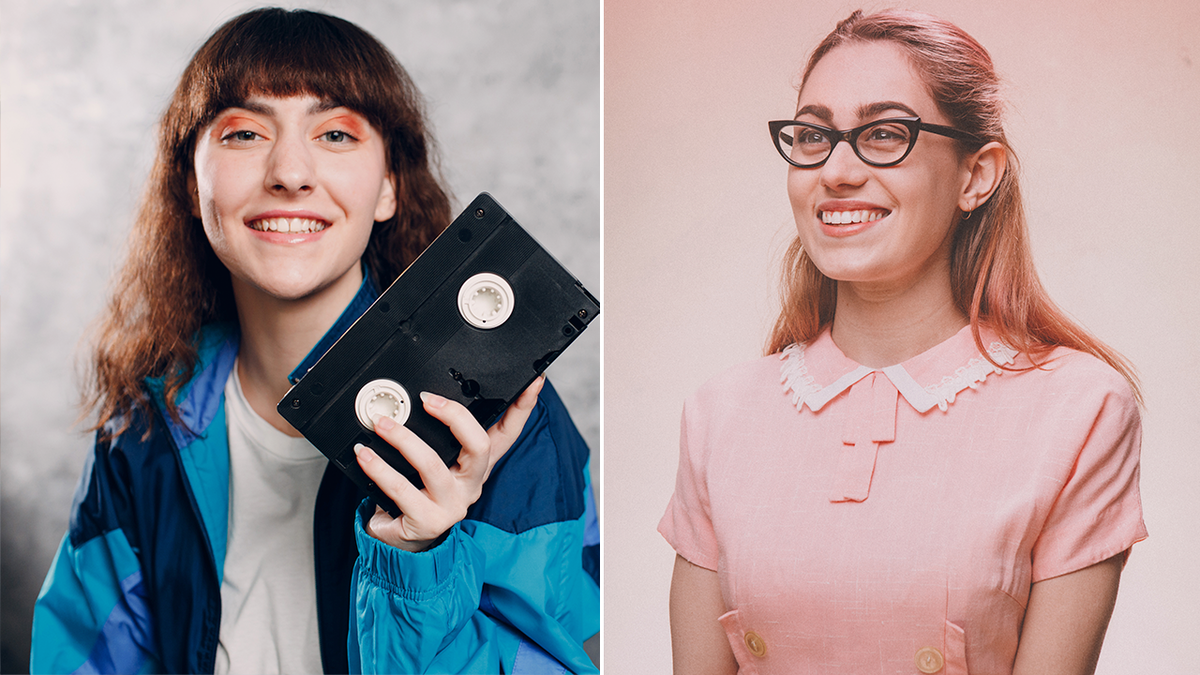
The Instagram AI Yearbook 2.0 trend is rapidly gaining traction among Indian users, with millions generating stylized retro portraits using artificial intelligence tools. While the trend is entertaining and highly shareable, it is also raising serious questions around data privacy and user consent.
The Instagram AI Yearbook 2.0 trend has quickly become one of the most viral social media phenomena in India this week. Users are uploading personal photos to third-party AI apps to generate school-style yearbook images, often themed around the 90s or early 2000s. The results are visually appealing, but the data implications are far more complex than most users realise.
What Is the AI Yearbook 2.0 Trend and Why It’s Going Viral
The AI Yearbook 2.0 trend builds on earlier AI avatar trends that went viral globally in 2023 and 2024. Users upload multiple selfies to AI-powered platforms, which then generate stylised portraits using machine learning models trained on large image datasets.
The appeal is simple. It combines nostalgia, personalisation, and instant gratification. For Indian users, especially in Tier 2 and Tier 3 cities, this trend is accessible and engaging due to affordable smartphones and cheap data.
Social media amplification is driving growth. Influencers, college students, and meme pages are pushing the trend aggressively, creating a network effect. As more users participate, the pressure to join increases.
However, the ease of use hides the underlying trade-off. Most users are unknowingly giving away high-quality facial data to unknown platforms.
How AI Apps Collect and Use Your Personal Data
The biggest concern around AI Yearbook apps is how they handle user data. When users upload images, they are often required to grant permissions that allow apps to store, process, and sometimes reuse their photos.
Many of these apps operate under vague privacy policies. Some explicitly mention that uploaded images can be used to improve AI models. This means your face could become part of a training dataset without clear limitations.
Another issue is data storage. Users rarely know where their images are stored, how long they are retained, or whether they are shared with third parties. In some cases, apps may store metadata such as device details and location.
For Indian users, this becomes more critical due to rising cases of identity misuse and deepfake content. High-resolution facial data can be used to create synthetic media, impersonation content, or even bypass certain biometric systems.
Rising Privacy Concerns in India Around AI Trends
India does not yet have a fully mature enforcement ecosystem for personal data protection, although frameworks like the Digital Personal Data Protection Act exist. The gap between regulation and enforcement creates vulnerabilities.
Cybersecurity experts have flagged AI avatar trends as high-risk from a privacy standpoint. The concern is not immediate misuse but long-term exposure. Once data enters an AI training loop, it becomes difficult to trace or delete.
There is also a lack of awareness among users. Many participants treat these apps as harmless entertainment without reading terms or understanding permissions. This is especially common among younger users and first-time digital adopters.
Another layer of concern is cross-border data flow. Many AI apps are operated by companies outside India, which complicates jurisdiction and accountability if data misuse occurs.
Are All AI Yearbook Apps Risky
Not all platforms carry the same level of risk. Established apps with transparent privacy policies and clear data deletion mechanisms are relatively safer. However, viral trends often push lesser-known apps into the spotlight.
Users tend to choose apps based on output quality rather than credibility. This increases exposure to unverified platforms that may not follow strong data protection practices.
A key red flag is when an app asks for excessive permissions or does not clearly state how data will be used. Another warning sign is the absence of an option to delete uploaded images.
What Users Should Do Before Joining the Trend
Users do not need to completely avoid such trends, but they should approach them with caution. Basic digital hygiene can significantly reduce risks.
First, always check the app’s privacy policy. If it is unclear or overly broad, it is better to avoid using the platform.
Second, avoid uploading highly sensitive images such as official ID photos or images with identifiable backgrounds.
Third, prefer apps that allow manual deletion of data after processing. Some platforms now offer this feature as privacy awareness grows.
Lastly, limit app permissions on your device. Do not grant access beyond what is necessary for the feature to function.
The Bigger Picture for AI and Social Media Trends
The AI Yearbook 2.0 trend reflects a larger shift in how artificial intelligence is entering everyday consumer behaviour. What starts as entertainment often evolves into a data ecosystem.
For platforms like Instagram, such trends increase engagement and user retention. However, the responsibility of data protection largely shifts to third-party apps, creating a fragmented accountability structure.
This is likely to become a recurring pattern. As AI tools become more advanced and accessible, similar trends will continue to emerge. The challenge will be balancing creativity with privacy.
Takeaways
AI Yearbook 2.0 is trending rapidly across Indian Instagram users
Uploading photos to AI apps can expose sensitive facial data
Many apps have unclear data usage and storage policies
Users should verify privacy settings before participating
FAQs
What is the AI Yearbook 2.0 trend on Instagram
It is a viral trend where users upload selfies to AI apps to generate stylised yearbook-style portraits using artificial intelligence.
Is it safe to use AI avatar apps
It depends on the app. Trusted platforms with clear privacy policies are safer, but many viral apps may misuse or store user data.
Can my photos be misused after uploading
Yes, if the app stores or shares your data, images could potentially be used for AI training or other unintended purposes.
How can I protect my privacy while using such apps
Check privacy policies, limit permissions, avoid sensitive images, and use apps that allow data deletion.