

























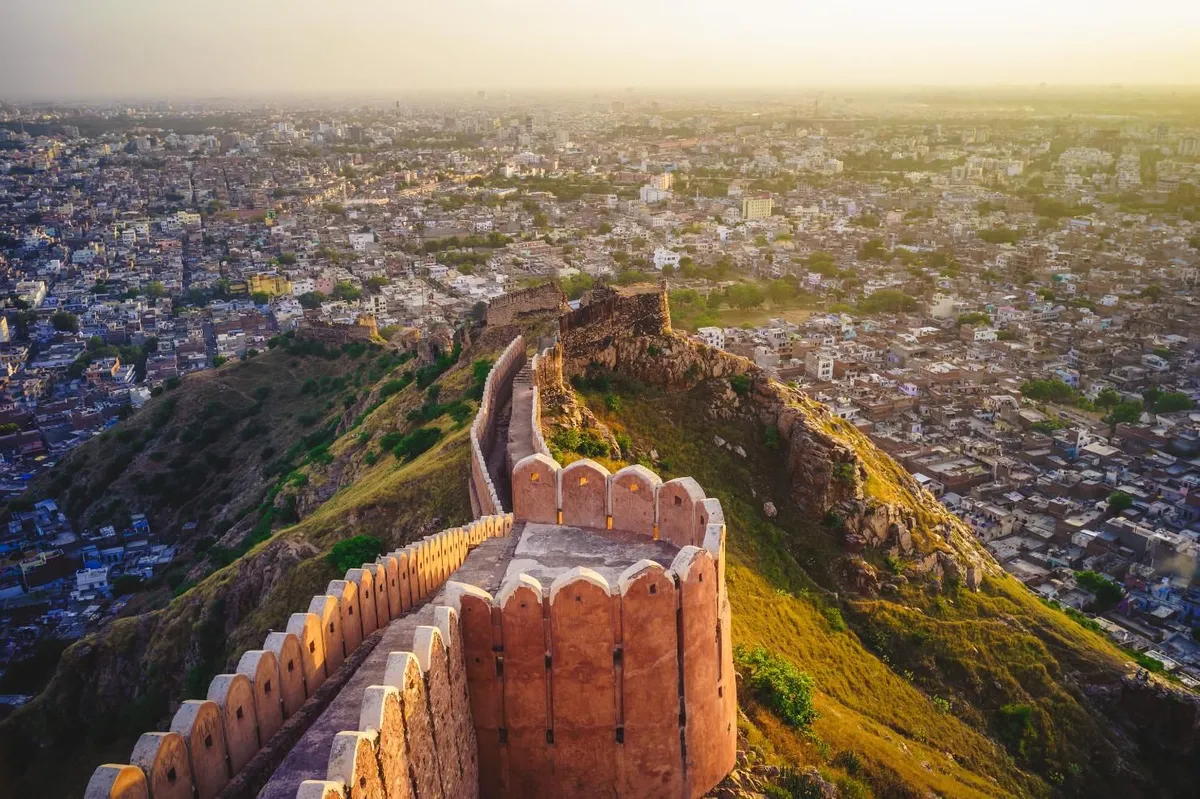
Rajasthan’s tourism push is now targeting Tier-2 cities through newly designed travel circuits aimed at diversifying visitor flow. The initiative focuses on promoting lesser-known destinations while reducing pressure on established hotspots like Jaipur and Udaipur.
Rajasthan Tourism Strategy Shifts Toward Tier-2 Cities
The Rajasthan tourism push targeting Tier-2 cities marks a strategic shift by the Rajasthan Tourism Department to expand its tourism base. Instead of relying only on traditional destinations, authorities are promoting smaller cities and emerging locations through curated travel circuits.
This move aims to distribute tourist traffic more evenly across the state while unlocking economic potential in less explored regions. Cities beyond the usual tourist map are now being positioned as viable travel destinations.
The initiative also aligns with broader national efforts to promote regional tourism and improve infrastructure in smaller urban centers.
New Tourism Circuits Designed for Diverse Experiences
The Rajasthan tourism push includes the development of thematic circuits connecting multiple destinations within a region. These circuits are designed around culture, heritage, wildlife, and rural experiences.
For example, circuits may link cities such as Bundi, Chittorgarh, and Kota, offering a mix of historical sites, forts, and local culture. Similarly, desert circuits are being expanded beyond Jaisalmer to include smaller towns.
These curated routes help travelers explore more locations within a single trip, increasing their overall engagement with the region. It also encourages longer stays, which benefits local economies.
Focus on Infrastructure and Accessibility Improvements
To support the Rajasthan tourism push, authorities are investing in infrastructure upgrades in Tier-2 cities. Improved road connectivity, better signage, and upgraded tourist facilities are part of the plan.
Transport access is a key factor. Enhancing connectivity through highways and rail networks ensures that these destinations are easily reachable from major cities.
Accommodation options are also being expanded. From budget stays to boutique heritage properties, efforts are being made to cater to different traveler segments.
Digital infrastructure, including online booking platforms and tourism apps, is also being strengthened to improve accessibility and planning.
Economic Impact on Smaller Cities and Local Communities
The focus on Tier-2 cities is expected to generate economic benefits at the local level. Increased tourist inflow can boost demand for services such as hospitality, transport, and local crafts.
Small businesses, including guides, artisans, and food vendors, stand to gain from higher visitor numbers. This can create employment opportunities and support regional development.
By diversifying tourism, the state aims to reduce overdependence on a few major destinations while promoting inclusive growth across different regions.
Challenges in Promoting New Tourism Destinations
Despite the potential, several challenges remain. Awareness about Tier-2 destinations is still limited among domestic and international tourists. Effective marketing and branding will be crucial to attract visitors.
Infrastructure gaps in some areas may affect the overall travel experience. Consistent quality in services, safety, and cleanliness is essential to build trust among tourists.
Seasonality is another factor. Some destinations may see fluctuating visitor numbers depending on weather conditions and travel trends.
Authorities will need to ensure that development is sustainable and does not compromise the cultural and environmental integrity of these regions.
What This Means for Travelers
For travelers, the Rajasthan tourism push offers an opportunity to explore less crowded and more authentic destinations. Tier-2 cities often provide a closer look at local culture, traditions, and everyday life.
Travel circuits make planning easier by offering structured itineraries that cover multiple attractions. This can enhance the overall travel experience.
As these destinations develop, travelers can expect improved facilities and better connectivity, making them more accessible and appealing.
The shift also reflects a broader trend where travelers are seeking unique and offbeat experiences rather than conventional tourist spots.
Takeaways
- Rajasthan tourism push is focusing on Tier-2 cities through new travel circuits
- The strategy aims to reduce pressure on major tourist destinations
- Infrastructure upgrades are key to supporting this expansion
- Local economies are expected to benefit from increased tourist inflow
FAQs
Q1. What is the Rajasthan tourism push about?
It is an initiative to promote Tier-2 cities and lesser-known destinations through curated travel circuits.
Q2. Which cities are included in the new circuits?
Cities like Bundi, Chittorgarh, and Kota are among those being promoted.
Q3. How will this benefit local communities?
Increased tourism can create jobs and boost local businesses.
Q4. Are these destinations ready for tourists?
Infrastructure is being upgraded, but readiness may vary by location.