































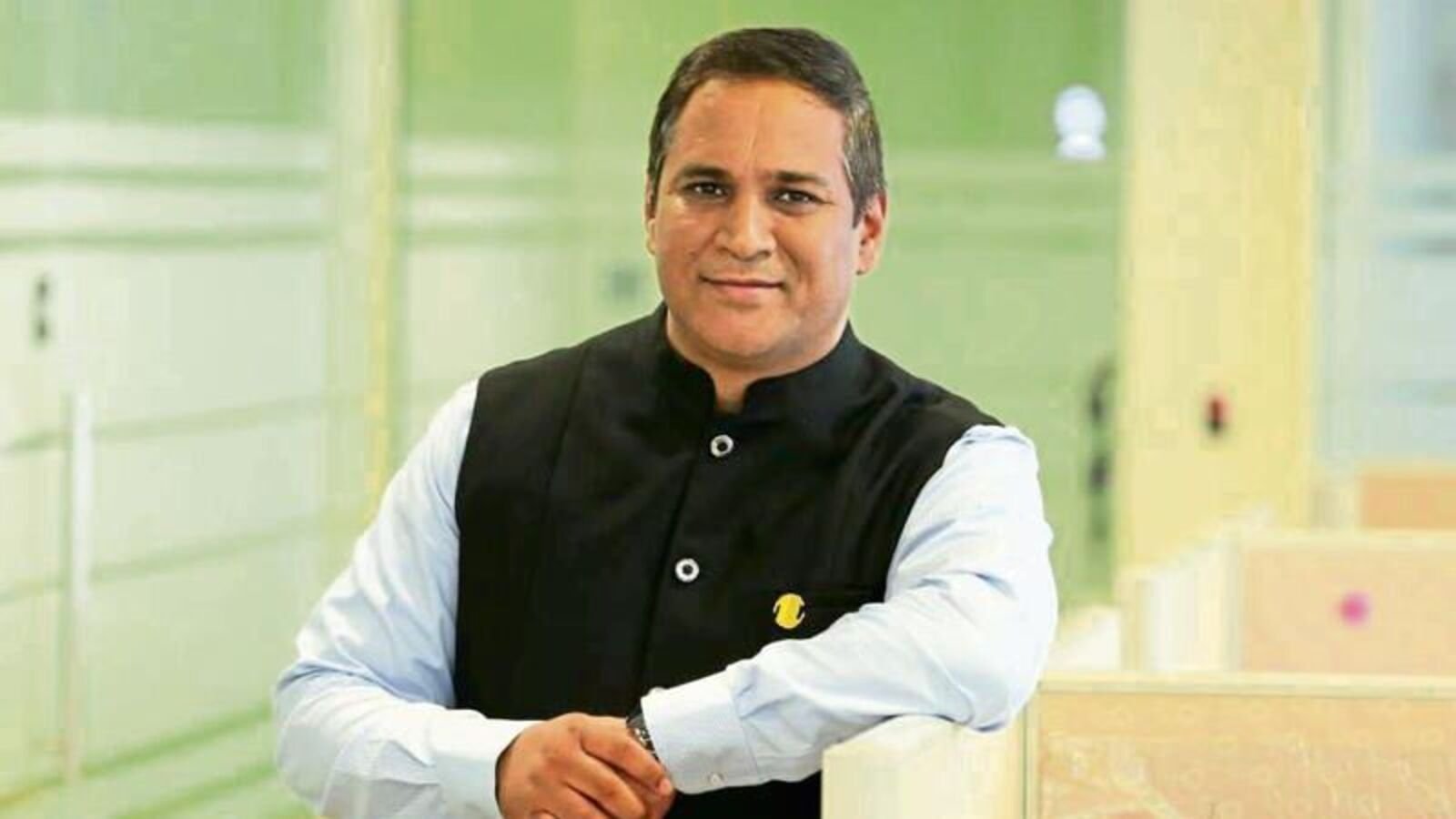
Aavishkaar Group is preparing to raise approximately ₹2,000 crore for its seventh investment fund, with a focus on deep technology and businesses addressing critical industrial and economic challenges. The proposed fund reflects growing investor interest in Indian innovation across advanced manufacturing, agriculture, materials science and space technology.
Aavishkaar Group’s Seventh Fund: What We Know
Aavishkaar Group is preparing for another phase of investment in India’s startup ecosystem, with its planned seventh fund targeting a corpus of around ₹2,000 crore. According to reports published in October 2026, the fund is expected to launch in 2027, with fundraising already underway.
The investment strategy centres on deep technology, often referred to as deep tech, which includes businesses developing technologies based on substantial scientific research, engineering and specialised intellectual property.
The latest plans follow the group’s broader effort to support companies that can address important economic and industrial challenges while building commercially viable businesses. Rather than concentrating exclusively on consumer-facing startups, the proposed investment strategy includes technology-intensive sectors that may require more time, capital and technical expertise to reach commercial scale.
A report published on October 28 also indicated that the group intends to announce at least six deep-tech investments by the end of December 2026. These prospective investments could provide a clearer picture of the sectors and business models the group wants to prioritise. [Source: NewsBytes, October 28, 2026]
Which Deep-Tech Sectors Could Receive Funding?
The proposed fund is expected to explore opportunities across several technology-driven sectors. These include space technology, materials science, advanced agriculture, tissue culture and technical textiles.
Each of these areas has applications beyond a single industry. For example, space technology can support satellite communications, navigation and Earth observation. Advanced agricultural technologies can help improve farming practices, while materials science can contribute to the development of specialised industrial materials.
Tissue culture is relevant to agriculture and biotechnology because it enables the controlled propagation of plants under laboratory conditions. Technical textiles, meanwhile, include specialised fabrics designed for industrial, medical, protective and other functional uses.
These sectors can be difficult for early-stage businesses to develop because they may require specialised equipment, research facilities, regulatory approvals and extensive product testing.
Patient investment capital can help such companies move from research and early product development towards manufacturing, commercial deployment and revenue generation.
However, the precise allocation of the proposed ₹2,000 crore fund across these sectors has not been publicly established in the reporting reviewed. Individual investment decisions will determine which technologies ultimately receive capital.
Why Deep-Tech Startups Need Long-Term Capital
Deep-tech startups often follow a different growth path from conventional software businesses. A software company may be able to launch a product relatively quickly, test customer demand and expand without investing heavily in physical infrastructure.
A startup developing advanced materials, satellite components, agricultural biotechnology or industrial hardware may face a much longer development cycle.
Its founders may need to demonstrate that the underlying technology works, establish manufacturing processes, meet industry standards and secure customers willing to adopt a new solution. Each stage can require additional funding before the business reaches consistent commercial revenue.
This creates a financing challenge for founders. Early-stage investors may support research and initial development, but larger investments are often needed when a company begins manufacturing, expanding operations or entering regulated markets.
Aavishkaar’s proposed fund is intended to address opportunities in this part of the startup ecosystem. Its focus on technology-intensive businesses could help companies bridge the gap between early experimentation and larger-scale commercial operations.
The outcome will depend on the fund’s final investment criteria, the quality of the companies selected and their ability to convert technical advances into sustainable businesses.
How the Fund Fits India’s Startup Funding Landscape
India’s startup ecosystem has expanded beyond consumer internet businesses, digital payments and online marketplaces. Increasing attention is being directed towards businesses developing technologies in areas such as clean energy, electric mobility, industrial automation, agricultural productivity and advanced manufacturing.
These sectors are relevant to India’s economic development because they involve domestic production capabilities, supply-chain resilience and the application of research to practical problems.
Deep-tech funding can support this transition by providing capital to businesses that may not fit the investment timelines of investors seeking rapid growth.
Aavishkaar Capital’s existing portfolio offers examples of its interest in technology-driven businesses. Its investments include NewTrace, which works on green hydrogen technology, and Vecmocon Technologies, which develops electronic and software solutions for electric vehicles. The portfolio also includes AgroStar, an agritech business serving farmers.
These examples illustrate how technology investments can span different industries rather than being restricted to one category.
The proposed seventh fund is expected to continue this broad approach, with deep tech playing a more prominent role. Nevertheless, the presence of companies in the existing portfolio does not guarantee that the new fund will invest in the same businesses or follow an identical allocation strategy.
Fundraising Plans and the Role of Indian Investors
Raising a fund of approximately ₹2,000 crore will require Aavishkaar to secure commitments from investors before deploying capital into selected startups.
According to the October 28 report summarised by FundOpsHQ, the group expects Indian investors to contribute around 40% to 60% of the proposed fund, with overseas investors providing the balance. The report also indicated that a fund close could be targeted between March and June 2027.
These figures describe fundraising expectations, not completed commitments. The final amount raised, investor composition and closing timeline may change as fundraising progresses.
Domestic participation is particularly relevant to India’s startup ecosystem. Greater involvement from Indian institutional investors and other domestic sources of capital could help expand the pool of funding available to businesses developing technologies for local industrial and economic needs.
However, attracting investors to a deep-tech fund requires a clear investment strategy, disciplined risk management and a credible route towards financial returns. Investors must also account for the longer timelines and technical uncertainties associated with these businesses.
The proposed fund’s success will therefore depend not only on its target size but also on its ability to attract commitments and identify companies with strong technology, credible commercial opportunities and realistic growth plans.
What the Investment Plans Could Mean for Founders
For Indian entrepreneurs working in specialised technology sectors, a new fund could create additional opportunities to raise growth capital.
This may be particularly relevant to startups that have already demonstrated their technology and need money to expand production, strengthen research teams or secure larger commercial contracts.
Businesses outside India’s biggest startup hubs could also benefit if the fund backs companies working in agriculture, industrial materials or other sectors connected to regional manufacturing and economic activity.
For example, an agritech startup developing technology for crop productivity may need capital to test its solution across different agricultural conditions. A materials science company may require investment to move from laboratory results to industrial production. A space technology company may need funding to validate components before selling them to commercial or institutional customers.
Such examples explain why the availability of patient capital matters. Funding alone, however, does not guarantee success. Startups must still demonstrate technical reliability, market demand, cost competitiveness and sound business management.
For founders seeking investment, a strong business case will need to explain how the technology solves a clearly defined problem, how the company plans to generate revenue and what milestones the funding will help achieve.
What to Watch Before the Fund Launches
The next important developments will be the announcement of individual investments, the progress of fundraising and confirmation of the fund’s final structure.
The six or more investments expected to be announced by the end of December 2026 could offer an early indication of Aavishkaar’s priorities across deep-tech sectors.
Founders and investors will also be watching whether the group secures its targeted corpus and how much of the capital is ultimately allocated to early-stage versus growth-stage businesses.
Until further details are announced, the ₹2,000 crore figure should be treated as a fundraising target rather than money already raised or committed to startups.
Aavishkaar Group’s plans nevertheless highlight an important question for India’s startup ecosystem: whether patient investment capital can help technology-intensive businesses move from promising research to commercially sustainable operations. The answer will become clearer as fundraising progresses and the group’s investment decisions emerge.
Key Takeaways
- Aavishkaar Group is targeting approximately ₹2,000 crore for its proposed seventh fund, expected to launch in 2027.
- Potential investment areas include space technology, advanced agriculture, materials science, tissue culture and technical textiles.
- The group reportedly plans to announce at least six deep-tech investments by December 2026.
- The fundraising target is not a confirmed amount raised, and the fund’s final allocation and investment terms remain subject to further announcements.
Frequently Asked Questions
1. How much is Aavishkaar Group targeting for its seventh fund?
Aavishkaar Group is targeting approximately ₹2,000 crore for its planned seventh investment fund, according to reports published in October 2026.
2. Which sectors could the fund invest in?
Reported areas of interest include space technology, materials science, advanced agriculture, tissue culture and technical textiles. The final allocation across these sectors has not been confirmed.
3. When is Aavishkaar Group expected to launch the fund?
Recent reporting indicates that the fund is expected to launch in 2027, with a potential fundraising close between March and June 2027. These are reported plans and may change.
4. How could the fund help Indian startups?
The fund could provide capital to technology-intensive startups that need resources for research, product development, manufacturing and commercial expansion. Actual support will depend on the companies selected and the fund’s final investment criteria.