




























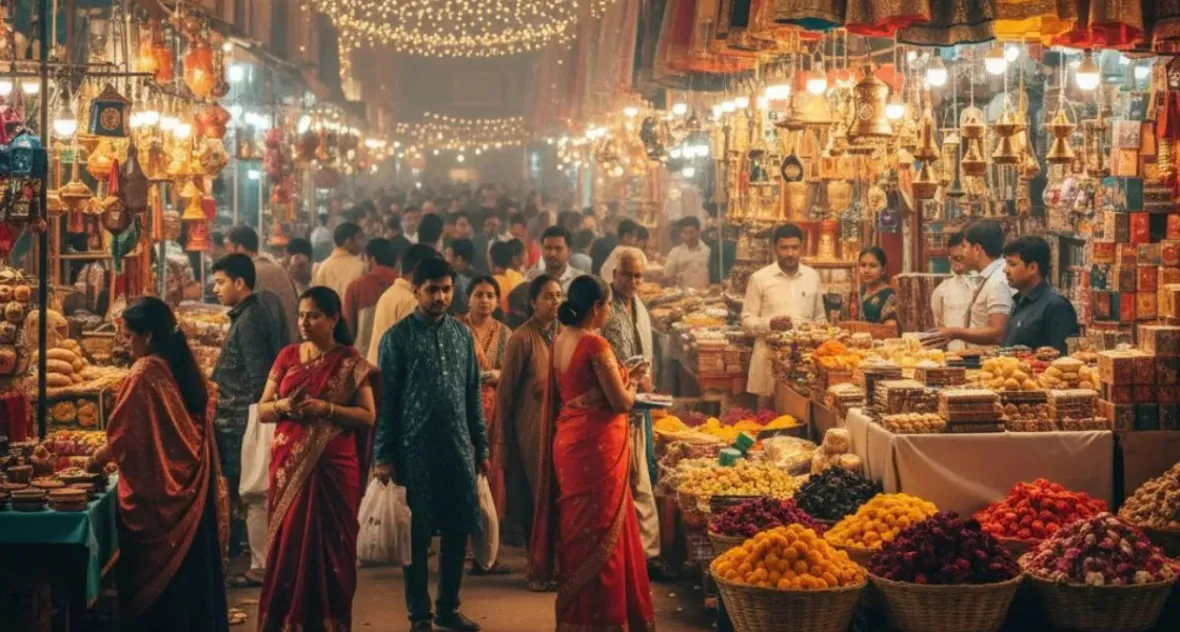
Diwali shopping often brings excitement, family outings and festive discounts, but it also creates plenty of funny moments. From unexpected online deliveries and last-minute shopping mistakes to family arguments over budgets and outfits, Diwali shopping fails have become relatable material for memes and Instagram Reels across India.
Why Diwali Shopping Fails Feel So Relatable
Diwali is one of India’s biggest festive shopping seasons. Families purchase clothes, sweets, gifts, decorative lights, home furnishings and electronic products as they prepare for celebrations. However, the excitement of shopping can quickly turn into confusion when plans do not go as expected.
A dress that looks perfect online may fit differently in person. Decorative lights may stop working just before guests arrive. A delivery may arrive late, or a family member may return home with several shopping bags despite promising to buy only one item.
These everyday situations are easy to recognise, which makes them natural subjects for humorous social media content.
During the festive season, creators often turn familiar household experiences into short videos, reaction clips and memes. The humour usually comes from the difference between what people expect from Diwali shopping and what actually happens.
Although these scenarios are common themes in festive humour, their popularity should not automatically be treated as evidence of a specific viral trend unless individual posts and engagement figures are verified.
Family Reactions Become the Funniest Part of Festive Shopping
For many Indian households, Diwali shopping is a family activity rather than an individual task. Parents, children, siblings and relatives may have different opinions about what to buy, how much to spend and which purchases are necessary.
That difference creates plenty of opportunities for comedy.
One familiar scenario involves a person announcing that they are going shopping for only a few essentials before returning with bags of clothes, accessories and decorations. Another involves parents questioning the cost of an outfit while the person who bought it tries to explain why it was worth the price.
Shopping for children can bring its own challenges. A parent may choose a practical outfit, while the child insists on something more fashionable. Siblings may argue over similar clothes, and relatives may have competing suggestions about what everyone should wear for family photographs.
These moments can become particularly entertaining when recreated in short videos. The situations do not require elaborate scripts because the humour comes from experiences many viewers recognise from their own homes.
Online Shopping Mistakes Add to the Festive Comedy
Online shopping has made festive purchases more convenient, but it has also created new situations for humorous content.
Product photographs, size charts and customer reviews can help shoppers make decisions, yet the delivered product may not always match their expectations. A decorative item may be smaller than it appeared online, a colour may look different in natural light, or an outfit may require alterations before the festival.
Delivery timing can create another problem. Shoppers who order gifts or clothing close to Diwali may find themselves waiting for packages while the celebration approaches.
These experiences provide material for relatable memes, especially when creators show the contrast between an imagined festive transformation and the reality of a disappointing purchase.
There is also a practical lesson behind the jokes. Consumers can reduce the risk of unpleasant surprises by checking seller ratings, reading recent reviews, comparing product measurements and reviewing return policies before placing an order.
For expensive purchases, it is worth confirming the seller’s identity and checking whether the product comes with a valid warranty.
Diwali Shopping Memes Reflect Everyday Indian Household Life
Memes often become relatable when they capture a familiar situation with very little explanation. During the festive season, shopping provides a wide range of such situations.
A meme about parents asking for the final shopping bill can resonate with people who have experienced similar conversations at home. A video about siblings borrowing each other’s festive clothes can appeal to younger audiences, while jokes about comparing prices and searching for discounts may connect with budget-conscious shoppers.
Another common theme is the last-minute shopper who begins preparing for Diwali just before the celebrations. While others have already bought clothes, gifts and decorations, this person is still deciding what to purchase.
Creators can present these situations through facial expressions, dialogues, popular audio clips and short skits. The format is simple, but the recognisable details make the content easy to share with friends and family.
However, not every funny Diwali video represents a nationwide trend. Individual creators may produce similar content independently, and the popularity of a particular meme can vary between platforms and audiences.
How Instagram Reels Make Festive Humour Easy to Share
Instagram Reels and other short-video formats allow creators to present a complete joke in a few seconds. A simple setup, an unexpected reaction and a familiar punchline can communicate an entire shopping experience without a lengthy explanation.
Festive content also gives creators an opportunity to connect with viewers through cultural references. Family shopping trips, bargaining at local markets, discussions about household budgets and preparations for guests are experiences that many Indian audiences understand.
Creators may use trending audio, quick transitions, exaggerated reactions or conversations between family members to make these situations entertaining.
For local creators in cities such as Nagpur, Indore, Jaipur and Lucknow, neighbourhood markets and family shopping traditions can provide additional context. A video featuring the rush at a local market or the difficulty of finding the right festive outfit can feel especially familiar to viewers who shop in similar places.
Still, creators should avoid presenting a staged situation as a genuine incident simply to attract attention. Humour based on everyday experiences can be entertaining without misleading viewers or targeting individuals unfairly.
Smart Shopping Tips Behind the Funny Moments
While Diwali shopping fails can provide entertainment, many of the problems they depict are avoidable.
Planning a shopping list before visiting a market can help families control unnecessary spending. Setting a budget for clothes, gifts, decorations and food can also reduce disagreements when multiple purchases compete for attention.
Online shoppers should place important orders early enough to account for delivery delays. Checking return conditions before payment is particularly useful for clothing, electronics and decorative products.
Consumers should also be careful with unusually large discounts, especially when shopping through unfamiliar websites or social media advertisements. A deal that appears too good to be true deserves closer inspection.
For electronic products, buyers should check the seller, warranty terms and final price rather than relying entirely on the advertised discount. For clothing, checking measurements and the return window can prevent last-minute disappointment.
The goal is not to eliminate the fun of spontaneous shopping. It is to make sure that a humorous shopping mistake does not become an expensive problem.
Why Diwali Shopping Humour Connects Across Generations
One reason festive shopping stories are easy to understand is that they involve different generations sharing the same celebration.
Older family members may focus on quality, savings and practicality, while younger shoppers may prioritise trends, appearance and convenience. Neither perspective is necessarily wrong, but the contrast can create funny exchanges.
The same applies to shopping habits. Some people prefer visiting traditional markets, comparing prices and bargaining with shopkeepers. Others prefer ordering products online and having them delivered to their homes.
These differences create opportunities for light-hearted content without requiring families to share the same preferences.
When handled thoughtfully, festive humour can bring people together by turning small disagreements into shared memories. The most relatable jokes are often those that allow viewers to laugh at their own habits rather than make someone else the target.
Key Takeaways
- Diwali shopping creates relatable situations involving budgets, outfits, online deliveries and family disagreements.
- Instagram Reels and memes can turn everyday festive experiences into short, shareable comedy.
- Shoppers can avoid many common mistakes by planning purchases, checking reviews and reading return policies.
- Individual viral posts should be verified before claiming that a particular Diwali shopping trend is taking over social media nationwide.
Frequently Asked Questions
1. Why are Diwali shopping fails popular subjects for memes?
They involve familiar experiences such as overspending, disappointing online purchases, last-minute preparations and funny family reactions. These situations are easy to recreate in short videos.
2. What are some common Diwali shopping mistakes?
Common problems include shopping without a budget, ordering products too late, overlooking size details, failing to check return policies and trusting unusually large online discounts without verifying the seller.
3. How can creators make relatable Diwali shopping Reels?
Creators can use everyday situations such as family budget discussions, disagreements over outfits, shopping-list failures and unexpected deliveries. Short dialogues and recognisable reactions can make these videos entertaining.
4. How can shoppers avoid online Diwali shopping disappointments?
They should read recent customer reviews, check product specifications, verify the seller, review delivery estimates and understand return and refund conditions before placing an order.