




















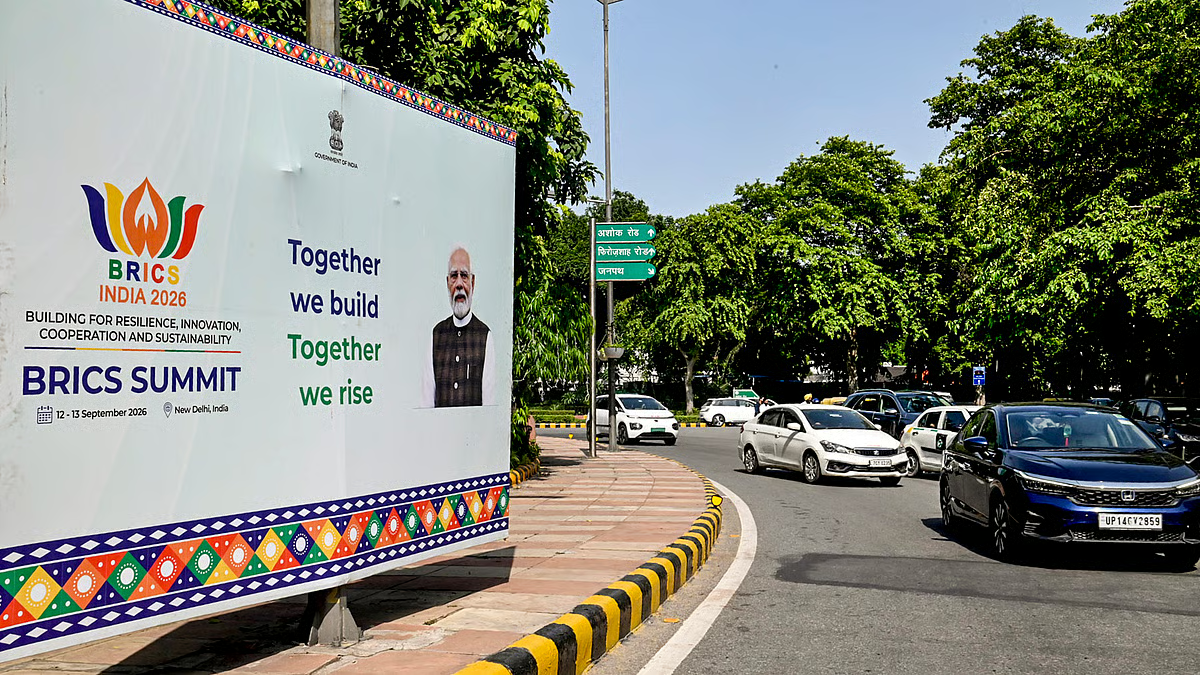
Delhi traffic chaos during the BRICS Summit has become a major talking point as extensive restrictions, diversions and VVIP movements affect commuters across the capital. Social media users are sharing reactions and memes, while authorities advise people to avoid controlled routes and use the Metro where possible.
Delhi Traffic Restrictions Begin Amid BRICS Summit Preparations
Delhi is witnessing heightened traffic restrictions as the capital hosts the BRICS Summit, with the main summit scheduled at Bharat Mandapam on September 12 and 13. Traffic regulations and VVIP movement are affecting several parts of the city from September 11, with commuters being warned to expect delays and sudden diversions.
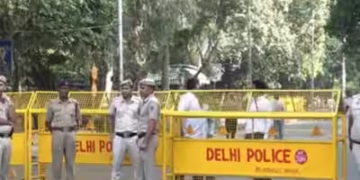
The Delhi Traffic Police has identified more than 35 roads where movement can be regulated and 22 diversion points as part of the traffic management plan. The restrictions are intended to facilitate the movement of international dignitaries and maintain security around the summit venue and other VVIP routes.
The situation has also created a familiar Delhi dilemma for commuters: a road may remain open for much of the day but could face temporary restrictions when a VVIP convoy passes through. Traffic police have clarified that Delhi is not being completely shut down, but vehicles may be stopped or diverted depending on security requirements.
Why Delhi Commuters Are Facing Longer Journeys
The traffic disruption is not limited to roads immediately surrounding Bharat Mandapam. Routes connecting the airport, central Delhi, south Delhi and other parts of the National Capital Region are also expected to experience delays.
According to traffic advisories, commuters travelling through areas affected by VVIP movement have been asked to plan their journeys in advance and allow additional travel time. People heading to the airport and major railway stations have also been advised to check alternate routes before leaving.
For airport passengers, authorities have particularly recommended using the Delhi Metro wherever possible. Buses, taxis and auto-rickshaws are expected to operate, but their routes may be diverted depending on traffic and security conditions.
This has made travel planning especially important for people commuting from areas such as Noida, Dwarka, Gurugram and other parts of Delhi-NCR.
Social Media Turns Traffic Trouble Into Memes
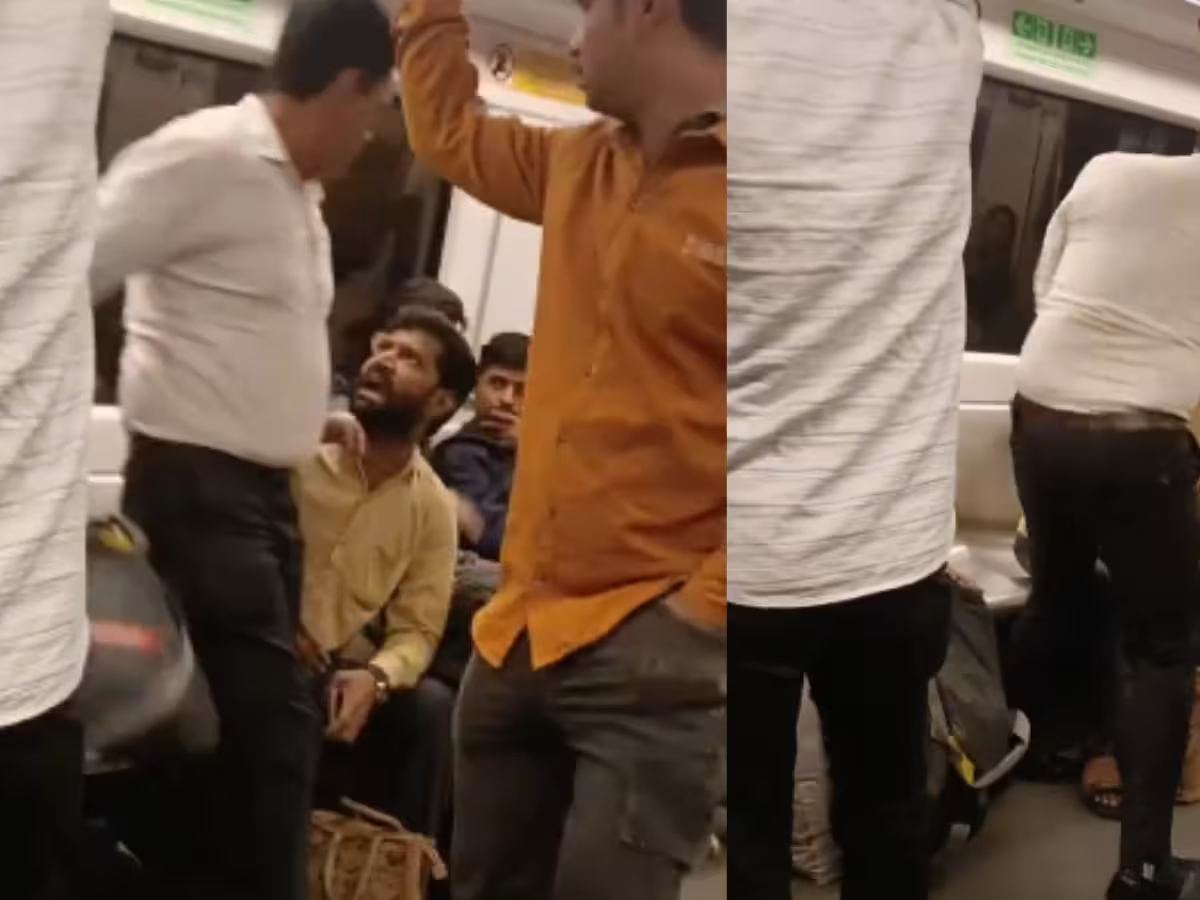
The disruption has also moved beyond traffic updates and into online conversations. Residents have taken to social media to discuss delays, diversions and the unusual experience of navigating a city operating under heightened security arrangements.
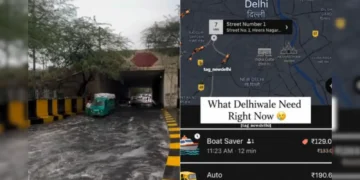
The mood online ranges from frustration to humour. Delhi’s long-running reputation for traffic congestion has made the BRICS restrictions an easy subject for memes and jokes, particularly around the contrast between international leaders arriving in the capital and ordinary residents trying to reach work, railway stations, airports or home.
However, not every online claim about the summit or traffic restrictions should be treated as factual. Authorities have specifically urged citizens to rely on official traffic advisories rather than rumours circulating on social media.
The Delhi Traffic Police has also used social media to communicate route changes, controlled areas and alternative travel options, asking commuters to check updates before starting their journeys.
Commuters Report Frustration Over Delays And Costs
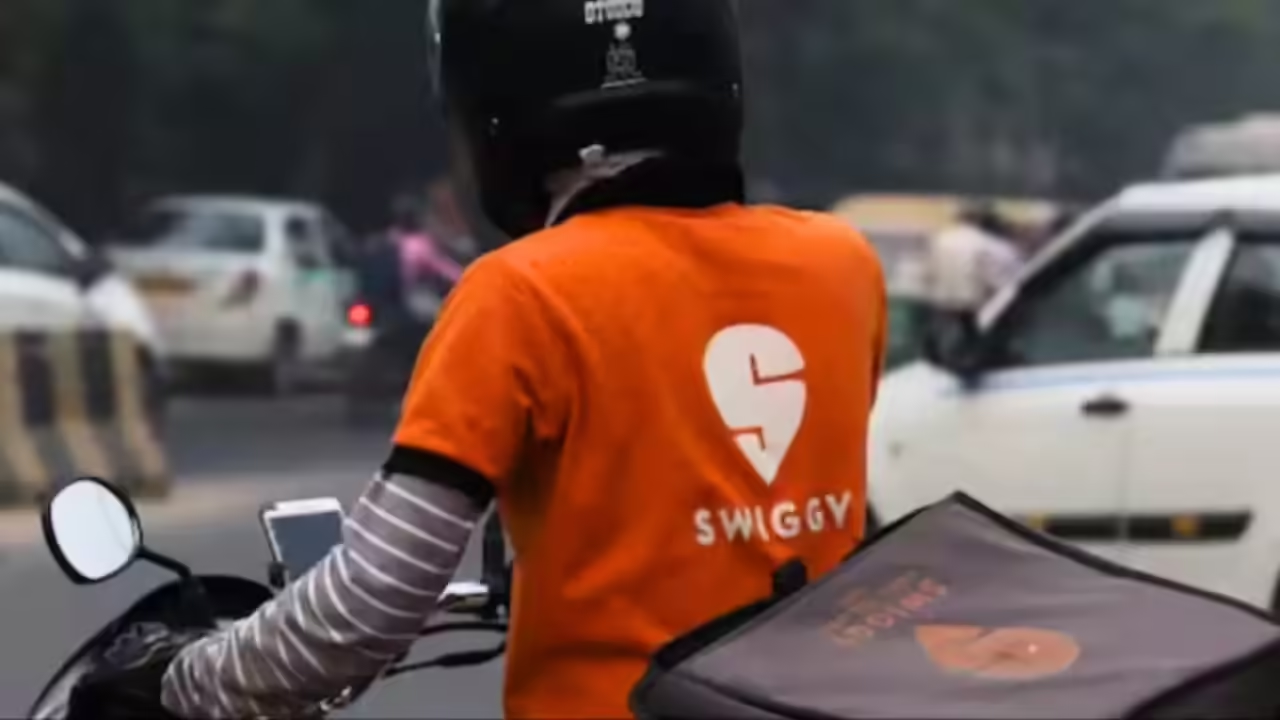
For many residents, the biggest concern is not simply road closures but the unpredictability of travel. Associated Press reported that commuters, office workers and delivery drivers faced difficulties because of closed or diverted routes, with some journeys becoming longer and more expensive.
The impact can be particularly significant for people whose work requires them to travel across multiple parts of the city. Delivery workers, cab drivers and other road-dependent workers can lose time when routes are suddenly diverted or vehicles are held during VVIP movement.
The traffic restrictions have also prompted authorities and several workplaces to encourage people to stay home where possible. September 11 has been declared a public holiday in Delhi, with schools and government offices among the establishments affected by the arrangements.
Despite the inconvenience, essential and emergency services are being given priority access, while authorities have made arrangements to ensure emergency vehicles can move through affected areas.
Metro Emerges As The Safer Commuting Option
With road conditions changing according to security movements, the Metro has emerged as the preferred option for many commuters.
Traffic authorities have repeatedly advised residents to use public transport, particularly the Metro, wherever practical. Metro services are expected to remain operational, although commuters should still check current advisories before travelling because road-level congestion can affect access to stations and connecting transport.
For people travelling to airports and railway stations, leaving earlier than usual is also important. Missing a flight or train because of an unexpected traffic hold could create a much bigger problem than the original road diversion.
The traffic plan is expected to remain dynamic through the summit period because VVIP movement can require short-term changes. This means commuters should not rely solely on a route that worked earlier in the day.
What Delhi Residents Should Keep In Mind
The viral memes may be providing some comic relief, but the traffic restrictions are part of a large security operation for an international summit. The BRICS meeting brings multiple foreign delegations and senior leaders to Delhi, requiring extensive coordination between security and traffic agencies.
For ordinary residents, the practical message is simple: check the latest traffic advisory, avoid controlled routes where possible and leave additional time for important journeys.
People should also be cautious about forwarding unverified claims about road closures, Metro shutdowns or emergency restrictions. Delhi Traffic Police has been publishing updates and FAQs through its official social media channels, making those sources more reliable than forwarded messages.
As the summit continues, Delhi’s traffic situation is likely to remain a mixture of planned restrictions and real-time changes. For commuters, that uncertainty may continue to fuel social media jokes, but it also makes advance planning more important than usual.
Key Takeaways
- Delhi is facing traffic restrictions and diversions during the BRICS Summit from September 11 to 13.
- More than 35 roads are under controlled traffic arrangements, with 22 diversion points identified.
- VVIP movements can result in temporary stoppages or sudden diversions even when a road is not permanently closed.
- Commuters have been advised to use the Metro where possible, check official updates and allow extra travel time.
FAQ
Q. Why is Delhi traffic being affected by the BRICS Summit?
Traffic is being regulated to facilitate the movement and security of foreign dignitaries and VVIP convoys attending the BRICS Summit in New Delhi.
Q. How many roads are affected by the BRICS traffic plan?
More than 35 roads are subject to controlled traffic arrangements, with 22 diversion points identified by the authorities.
Q. Is Delhi completely closed during the BRICS Summit?
No. Delhi Traffic Police has clarified that normal traffic will continue wherever security arrangements permit. However, vehicles can be temporarily stopped or diverted during VVIP movements.
Q. Should commuters use the Metro during the summit?
Yes. Delhi Traffic Police has advised commuters to use public transport, especially the Metro, wherever possible and to allow extra travel time.