









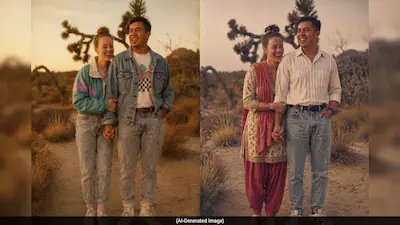
The ChatGPT 1980s photo trend is taking over Instagram, X and other social platforms, with users transforming modern photographs into retro-style portraits inspired by 1980s fashion, Bollywood photography and old family albums. Indian politicians, actors and influencers have also joined the nostalgia-driven trend.
What is the ChatGPT 1980s photo trend?
The viral trend involves uploading an existing photograph to an AI image generator such as ChatGPT and asking it to recreate the person or scene with the visual style associated with the 1980s.
Instead of applying a simple vintage filter, AI can change several elements of an image at once. Users can request period-specific hairstyles, clothing, jewellery, backgrounds, lighting and photography effects while asking the system to retain the person’s recognizable facial features.
The resulting pictures often have warm tones, soft lighting, slightly faded colours and film grain designed to resemble photographs from the pre-digital era. Some users are also creating images inspired by old Bollywood studio portraits, wedding albums and family photographs.
The trend has spread rapidly across social media because it combines two highly shareable elements: personalisation and nostalgia. Users are not simply looking at an old photograph. They are imagining themselves, or public figures, in a different decade.
Why the 1980s AI photo trend is going viral
The appeal of the trend lies partly in how easily an ordinary selfie can be given a completely different visual identity.
The 1980s aesthetic also provides plenty of recognisable visual cues. Big hairstyles, statement sunglasses, colourful clothing, traditional Indian outfits, high-waisted trousers, studio backdrops and analogue film effects can immediately make an image look like it belongs to that era.
For Indian users, the Bollywood connection makes the trend particularly familiar. People can ask AI to recreate the appearance of an old Hindi film portrait, a family-album photograph or a vintage magazine cover without needing professional editing software.
Social media platforms have added another layer to the trend. Once one person shares a retro image, others can respond with their own versions or use similar prompts. Instagram’s participation features can further encourage users to recreate popular visual formats.
Indian politicians join the retro AI trend
The trend has now moved beyond influencers and entertainment personalities, with several Indian political figures sharing retro-themed images.
Union Commerce and Industry Minister Piyush Goyal posted an AI-generated image showing himself in an 1980s-inspired look. His post was captioned, “Vibing to the 80s trend.”
Union Parliamentary Affairs Minister Kiren Rijiju also participated, sharing an AI-generated image in which he appears in a retro outfit and sunglasses. He later posted an actual photograph of himself from the 1980s as well.
Assam Chief Minister Himanta Biswa Sarma, Agriculture Minister Shivraj Singh Chouhan and BJP MP Anurag Thakur have also shared retro-themed images or posts connected to the trend.
Shashi Tharoor’s participation is slightly different and is worth clarifying. Rather than creating an AI version of himself, Tharoor shared photographs from the actual 1980s featuring himself and his sons. He described his participation as joining the trend “the old-fashioned way.”
That distinction matters because AI-generated and authentic archival photographs can look similar when presented without context.
How Indians are creating retro-style AI pictures
Creating a 1980s-style image generally starts with a clear photograph. Users can upload a selfie or another suitable picture to an AI image-generation tool and describe the appearance they want.
A basic prompt can ask the AI to transform the uploaded photograph into an authentic-looking 1980s Indian portrait while preserving the person’s identity and facial characteristics.
Users can then add specific details. For example, they can request a classic Bollywood studio background, period clothing, voluminous hairstyles, traditional jewellery, warm studio lighting and subtle analogue film grain.
The more specific the instructions, the more control users can have over the final visual direction. Someone wanting a family-album appearance could ask for a simple indoor setting and faded colours, while someone looking for a Bollywood-inspired portrait could request dramatic studio lighting and period costumes.
Current guides covering the trend show users experimenting with several formats, including Bollywood hero and heroine portraits, vintage family photographs, old magazine covers and retro street scenes.
AI images can look real, but they are not historical photographs
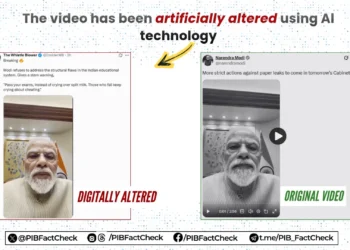
One reason the trend has attracted attention is the realism of some of the generated images. AI can reproduce visual characteristics associated with older photography well enough that viewers may initially mistake a generated image for an authentic photograph.
That makes context important when sharing these pictures.
An AI-generated image should not be presented as evidence that a person actually wore a particular outfit, visited a particular location or appeared in a particular setting decades ago. This becomes especially relevant when the subject is a politician, celebrity or other public figure.
AI-generated images can also contain small visual errors. Jewellery, hands, facial details, signs, text and objects in the background may not always be reproduced accurately. Users should check the final image before publishing it.
Privacy should also be considered
The trend is easy to participate in, but users should think carefully about which photographs they upload to any AI service.
A personal photograph may contain more information than just a face. Backgrounds can reveal homes, workplaces, school locations, documents or other identifiable details.
For a public social-media trend, using a photograph without sensitive information is a safer approach. Parents and users should also think carefully before uploading photographs of children or other people who have not agreed to participate.
The same caution applies when recreating photographs of other people. A generated image can be visually convincing, but that does not make the events or circumstances shown in it real.
Why retro AI trends keep returning
The 1980s trend is part of a broader pattern in which AI image generation turns familiar photographs into highly stylised versions.
Earlier trends included Studio Ghibli-inspired images and AI-generated collectible figurines. The current trend takes a different route by using nostalgia as the creative hook.
For many Indian users, the 1980s carry strong associations with old Bollywood cinema, family photographs, traditional clothing and analogue cameras. AI allows people who did not live through that period to imagine themselves within its visual culture.
That combination makes the trend easy to understand, easy to recreate and highly suited to social-media sharing.
Key takeaways
- The ChatGPT 1980s photo trend turns modern photographs into AI-generated retro portraits inspired by 1980s aesthetics.
- Piyush Goyal and Kiren Rijiju have shared AI-generated retro images, while Shashi Tharoor shared genuine photographs from the 1980s.
- Users can customise clothing, hairstyles, backgrounds, lighting and film effects through detailed AI prompts.
- AI-generated images should be clearly identified as generated content and should not be presented as authentic historical photographs.
FAQ
What is the ChatGPT 1980s photo trend?
It is a viral AI image trend in which users transform modern photographs into portraits inspired by the fashion, photography and visual style of the 1980s.
How can I create an 1980s-style AI photo?
Upload a suitable photograph to an AI image-generation tool and describe the desired 1980s aesthetic. You can specify clothing, hairstyle, background, lighting, colour treatment and film-grain effects.
Did Shashi Tharoor create an AI-generated 1980s photo?
Not in the post currently being widely discussed. Tharoor shared genuine photographs from the 1980s, describing his participation as joining the trend “the old-fashioned way.”
Which Indian politicians joined the AI 1980s trend?
Piyush Goyal and Kiren Rijiju are among the political figures who shared AI-generated retro images. Himanta Biswa Sarma, Shivraj Singh Chouhan and Anurag Thakur have also participated in the broader trend.
(ChatGPT 1980s photo trend, AI photo trend India, viral AI photo trend, ChatGPT image prompts, 1980s AI photo, retro AI photos, Instagram viral trends, AI generated images, Bollywood retro photo trend, ChatGPT photo prompts)