



























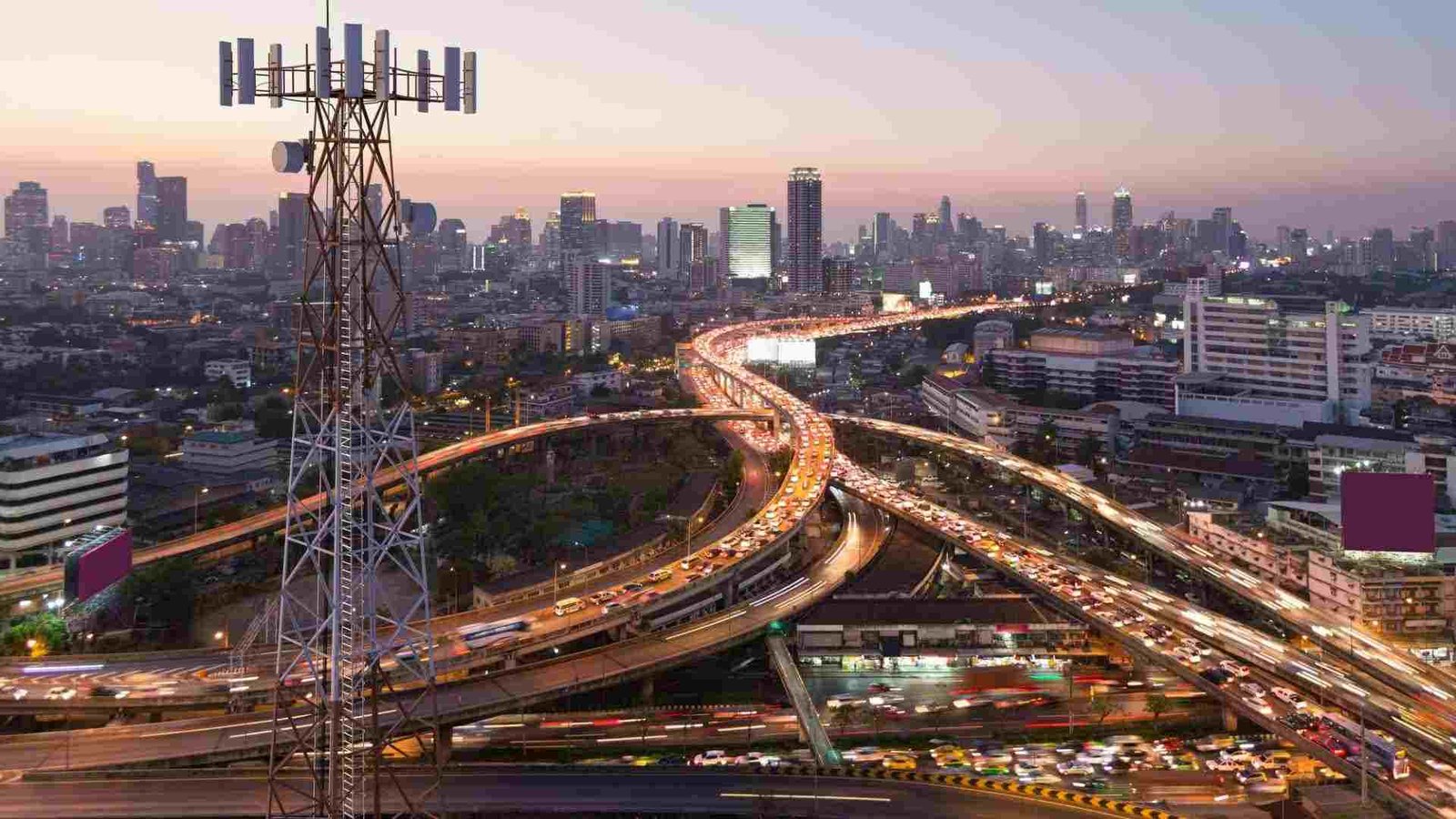
Smart city projects across India are continuing to reshape urban infrastructure in 2026, with major investments in transportation, digital governance, public services, water management, and sustainable development. Several cities are emerging as leaders in implementing technology-driven solutions aimed at improving quality of life and economic growth.
The Smart Cities Mission has become one of India’s most significant urban development initiatives. While the mission officially covered 100 selected cities, its impact extends beyond individual projects. In 2026, cities such as Indore, Surat, Ahmedabad, Pune, Bhopal, Bhubaneswar, Visakhapatnam, Nagpur, Coimbatore, and Kochi are drawing attention for large-scale infrastructure upgrades and smart governance initiatives.
Unlike a breaking news event, this topic is part of an ongoing urban development trend. The focus has shifted from announcing projects to evaluating how completed and ongoing infrastructure improvements are transforming Indian cities.
Smart Cities Mission Continues to Drive Urban Development
The Smart Cities Mission was launched to improve urban living through technology, efficient public services, sustainable infrastructure, and citizen-focused governance. Over the years, cities have implemented projects ranging from integrated command and control centers to intelligent traffic systems and smart water management networks.
In 2026, many cities are focusing on operational efficiency rather than just construction. Urban authorities are using digital platforms to monitor traffic, public transport, waste collection, water supply, and emergency services in real time.
Cities that successfully integrated technology with governance have shown measurable improvements in service delivery. Residents can access municipal services online, report civic issues through digital platforms, and benefit from faster response times from local authorities.
The growing use of data-driven decision-making is helping city administrations manage resources more effectively while improving transparency.
Indore, Surat and Ahmedabad Lead Infrastructure Upgrades
Among India’s emerging urban centers, Indore continues to receive recognition for urban management, cleanliness initiatives, public transport improvements, and smart governance systems. The city has combined infrastructure development with citizen participation, creating a model that many municipalities seek to replicate.
Surat has expanded beyond its traditional textile and diamond industries by investing in intelligent transportation systems, flood monitoring technologies, and digital public services. Its strong industrial base has also supported infrastructure modernization.
Ahmedabad remains a major focus for urban development due to ongoing transportation projects, smart mobility initiatives, and investments in public infrastructure. The city has benefited from integrated planning that connects residential, commercial, and industrial growth.
These cities demonstrate how infrastructure upgrades can support both economic activity and improved urban living standards.
Pune, Nagpur and Bhubaneswar Strengthen Smart Mobility
Transportation remains one of the most visible areas of smart city investment. Pune continues to expand public transportation networks while implementing traffic management systems designed to reduce congestion and improve commuter experiences.
Nagpur has emerged as an important logistics and transportation hub due to its central location. Infrastructure projects focusing on road connectivity, urban mobility, and integrated command centers are helping the city strengthen its economic position.
Bhubaneswar has gained recognition for digital governance, urban planning, and technology adoption. The city has implemented various smart mobility solutions while improving public service delivery through digital platforms.
Smart mobility projects are increasingly important because urban populations continue to grow. Efficient transportation systems help reduce travel times, lower fuel consumption, and support economic productivity.
Digital Governance and Public Services See Major Improvements
One of the most important aspects of smart city development is digital governance. Cities are increasingly using technology to simplify interactions between citizens and local administrations.
Integrated command and control centers have become central to many smart city projects. These facilities monitor traffic, public safety, emergency response, utilities, and environmental conditions through centralized systems.
Digital payment systems, online grievance portals, smart street lighting, and intelligent surveillance networks are helping municipalities improve operational efficiency. Citizens can access services more quickly while authorities gain better visibility into urban challenges.
The adoption of digital governance has also improved transparency by enabling data-driven monitoring of public projects and service delivery.
Sustainability and Water Management Gain Priority
As urban populations increase, sustainability has become a key focus area for infrastructure planning. Many cities are investing in renewable energy projects, energy-efficient public infrastructure, and environmentally friendly urban development practices.
Water management remains a major challenge for growing urban centers. Smart water meters, leak detection systems, wastewater treatment projects, and rainwater harvesting initiatives are becoming increasingly common.
Cities such as Surat, Indore, and Pune have implemented projects aimed at improving resource efficiency while reducing environmental impact. These efforts are important because sustainable infrastructure supports long-term urban growth without placing excessive pressure on natural resources.
Urban planners increasingly recognize that future city development must balance economic expansion with environmental responsibility.
Challenges Facing Smart City Development
Despite significant progress, several challenges remain. Rapid urbanization continues to create pressure on housing, transportation, public services, and environmental resources.
Funding constraints, project delays, coordination between agencies, and maintenance requirements can affect implementation timelines. Technology adoption alone cannot solve urban problems unless supported by effective governance and long-term planning.
Experts also emphasize the need for inclusive development. Infrastructure improvements must benefit all sections of society, including lower-income communities and rapidly expanding suburban areas.
Addressing these challenges will determine how successfully smart city projects deliver long-term benefits.
Key Takeaways
• Cities such as Indore, Surat, Ahmedabad, Pune, Nagpur, and Bhubaneswar are leading major infrastructure upgrades in 2026.
• Smart mobility, digital governance, public services, and sustainability are key focus areas.
• Integrated command centers and technology-driven solutions are improving urban management.
• Long-term success depends on sustainable planning, effective governance, and inclusive development.
FAQ
What is the Smart Cities Mission?
The Smart Cities Mission is a government initiative designed to improve urban infrastructure, governance, public services, and sustainability through technology-driven solutions.
Which Indian cities are seeing major smart city upgrades?
Cities including Indore, Surat, Ahmedabad, Pune, Nagpur, Bhubaneswar, Visakhapatnam, and Kochi are among those experiencing significant infrastructure improvements.
What are smart mobility projects?
Smart mobility projects include intelligent traffic systems, digital public transportation services, integrated transit networks, and technology-based traffic management solutions.
How do smart city projects benefit residents?
They improve public services, transportation efficiency, safety, resource management, digital access to government services, and overall quality of urban life.
(smart city projects India, Smart Cities Mission, urban infrastructure India, smart mobility projects, digital governance India, sustainable urban development, Indian city upgrades, smart transportation systems, urban planning India, infrastructure development 2026)