




























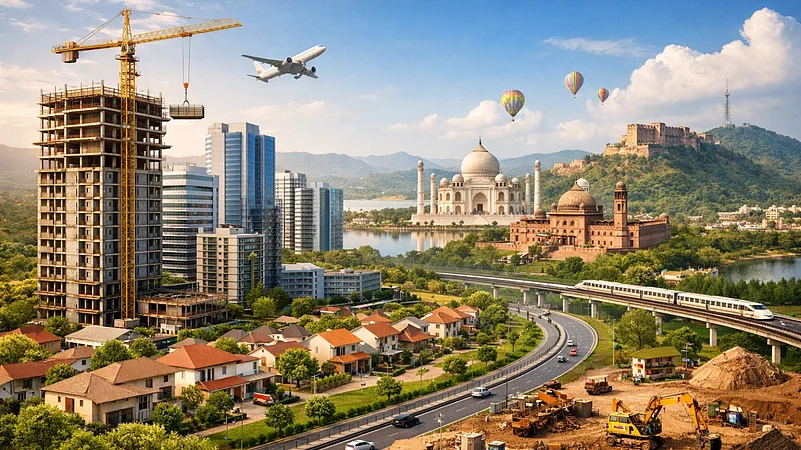
India’s urban expansion is no longer limited to major metropolitan areas. Tier-2 cities are increasingly attracting businesses, investments, infrastructure projects, and skilled professionals, positioning themselves as important economic growth hubs and reshaping the country’s development landscape.
The rise of Tier-2 cities is becoming one of the most significant trends in India’s economic development story. Cities such as Indore, Nagpur, Surat, Coimbatore, Lucknow, Bhubaneswar, Visakhapatnam, Jaipur, Chandigarh, and Kochi are witnessing rapid urban expansion, attracting industries and creating new employment opportunities.
Unlike a breaking news event, this is an ongoing economic and urban development trend driven by infrastructure investments, industrial growth, digital connectivity, and changing business preferences. As a result, these cities are becoming increasingly important to India’s long-term economic growth.
Why Tier-2 Cities Are Gaining Economic Importance
For decades, cities such as Mumbai, Delhi, Bengaluru, Chennai, Hyderabad, and Pune dominated India’s economic activity. However, rising real estate costs, traffic congestion, and increasing operational expenses have encouraged businesses to explore alternatives.
Tier-2 cities offer several advantages. Land costs are often lower, infrastructure is improving, and companies can access a growing pool of educated professionals. Improved internet connectivity, better transportation networks, and expanding airports have made these cities more attractive for investment.
Government initiatives aimed at improving urban infrastructure have also played a role. Programs focused on smart cities, industrial corridors, logistics development, and digital governance have strengthened the economic potential of many emerging urban centers.
As businesses seek cost-effective expansion opportunities, Tier-2 cities are becoming natural destinations for new projects and investments.
Infrastructure Development Is Accelerating Urban Expansion
One of the biggest factors behind the growth of Tier-2 cities is infrastructure development. New highways, metro rail systems, industrial parks, airports, and logistics hubs are improving connectivity between smaller cities and major economic centers.
Cities such as Nagpur have benefited from their strategic location within India, making them attractive for logistics and warehousing operations. Surat continues to expand beyond its traditional textile and diamond industries, while Indore has developed a reputation for business-friendly policies and urban management.
Improved infrastructure reduces transportation costs and enhances business efficiency. It also encourages real estate development, retail growth, and new residential projects.
The result is a cycle where better infrastructure attracts investment, and increased investment creates demand for further urban development.
Technology and Manufacturing Are Creating New Jobs
Technology companies and manufacturing firms are increasingly expanding operations into Tier-2 cities. Remote work trends and digital transformation initiatives have shown employers that talent can be sourced beyond traditional metropolitan hubs.
Information technology services, business process management, fintech companies, and software startups are establishing offices in emerging cities. At the same time, manufacturing sectors such as automotive components, electronics, pharmaceuticals, food processing, and engineering are creating employment opportunities.
Educational institutions in these cities are producing graduates with technical and professional skills. Many young professionals now prefer to work closer to their hometowns if comparable career opportunities are available.
This shift is helping reduce migration pressure on larger cities while supporting balanced regional development.
Real Estate and Consumer Markets Are Expanding
The economic growth of Tier-2 cities is also transforming consumer markets. Rising incomes and employment opportunities have increased demand for housing, retail centers, healthcare facilities, entertainment venues, and educational services.
Developers are investing heavily in residential and commercial projects. Homebuyers often find property prices more affordable compared to major metropolitan areas, making these cities attractive for long-term investment.
Retail brands, e-commerce companies, and financial institutions are also focusing on smaller cities because of their growing purchasing power. Consumer demand in Tier-2 regions is becoming an increasingly important driver of India’s domestic economy.
This growth is creating a more diverse economic ecosystem that supports both local businesses and national corporations.
Challenges That Still Need Attention
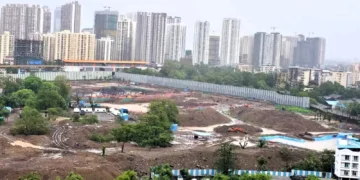
Despite strong growth, Tier-2 cities face several challenges. Rapid urbanization can place pressure on water resources, waste management systems, public transportation, and housing infrastructure.
City planners must balance economic growth with environmental sustainability. Traffic management, affordable housing, pollution control, and public service delivery will become increasingly important as populations continue to grow.
Workforce development is another priority. While educational institutions are expanding, industries require specialized skills in technology, manufacturing, and advanced services.
Addressing these challenges effectively will determine whether emerging cities can sustain long-term economic growth while maintaining quality of life for residents.
What the Future Holds for India’s Emerging Cities
The outlook for Tier-2 cities remains positive. Economic decentralization, infrastructure investments, digital adoption, and industrial expansion are likely to continue driving growth over the coming decade.
As businesses search for new markets and talent pools, smaller urban centers are expected to attract greater investment. Many analysts believe that India’s next phase of economic growth will be increasingly driven by cities beyond the traditional metropolitan hubs.
For investors, businesses, professionals, and policymakers, understanding the rise of Tier-2 cities will be essential to navigating India’s evolving economic landscape.
Key Takeaways
• Tier-2 cities are becoming major contributors to India’s economic growth and urban development.
• Infrastructure improvements are attracting businesses, industries, and investments.
• Technology, manufacturing, and service sectors are creating new employment opportunities.
• Sustainable urban planning will be crucial for maintaining long-term growth and quality of life.
FAQ
What are Tier-2 cities in India?
Tier-2 cities are emerging urban centers that are smaller than major metropolitan cities but have growing economic activity, infrastructure, and population. Examples include Indore, Nagpur, Surat, Jaipur, and Lucknow.
Why are businesses investing in Tier-2 cities?
Companies are attracted by lower operational costs, improving infrastructure, growing talent pools, and expanding consumer markets.
Which industries are driving growth in Tier-2 cities?
Technology, manufacturing, logistics, healthcare, retail, fintech, education, and business services are among the leading sectors driving growth.
Can Tier-2 cities compete with major metros?
While they may not fully replace major metropolitan cities, Tier-2 cities are becoming important complementary economic centers and are expected to play a larger role in India’s future growth.
(Tier-2 cities India, urban expansion India, economic growth hubs, smart cities India, infrastructure development, emerging Indian cities, regional economic growth, India urbanization, Tier-2 city investment, future of Indian cities)