































The used car market boom in India is accelerating as buyers look for affordable alternatives to new vehicles. With rising prices and long waiting periods, second hand cars are becoming a practical choice, but careful checks are essential before purchase.
Used Car Market Boom Driven by Changing Buyer Behavior
The used car market boom in India is being driven by a combination of economic and practical factors. Rising new car prices, supply chain delays, and increased demand for personal mobility have pushed buyers toward pre owned vehicles.
First time buyers and those upgrading within a budget are major contributors to this growth. Tier-2 and Tier-3 cities are seeing particularly strong demand due to expanding road infrastructure and increasing income levels.
Online platforms and organized dealers have also made it easier to buy and sell used cars, improving transparency and accessibility.
Why Buyers Are Choosing Used Cars Over New Ones
Affordability is the primary reason behind the shift toward used cars. Buyers can access higher segment vehicles at lower prices compared to new models.
Depreciation works in favor of second hand buyers. New cars lose a significant portion of their value in the first few years, making used options more cost effective.
Shorter waiting periods and immediate availability are additional advantages. Buyers can avoid delays associated with new car deliveries.
Insurance costs are also lower for used vehicles, reducing overall ownership expenses.
Key Documents to Verify Before Buying a Used Car
One of the most important steps in purchasing a used car is verifying documentation. The Registration Certificate is essential to confirm ownership details and vehicle history.
Buyers should check if the car has any pending loans or hypothecation. A No Objection Certificate from the lender is required if the loan has been cleared.
Insurance papers must be valid and transferable. It is also important to verify pollution certificates and service records.
Ensuring that all documents are genuine and up to date helps avoid legal complications.
Vehicle Condition Checks That Cannot Be Ignored
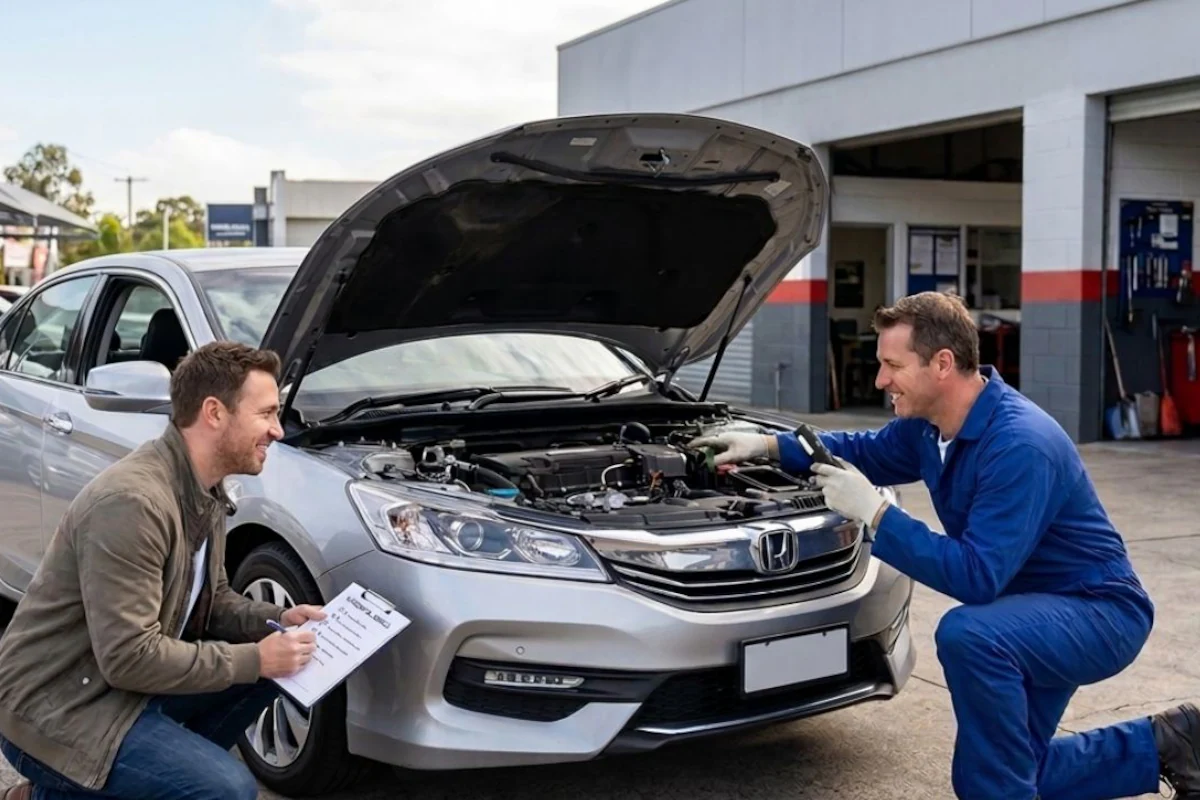
Physical inspection of the vehicle is critical in the used car buying process. Buyers should examine the exterior for dents, rust, and repainting, which may indicate previous accidents.
Engine condition is another key factor. Unusual noises, leaks, or excessive smoke can signal underlying issues. A test drive helps assess performance, braking, and handling.
Interior condition, including seats, dashboard, and electronics, should also be evaluated. Wear and tear can affect comfort and usability.
Getting the car inspected by a trusted mechanic can provide a more accurate assessment.
Importance of Service History and Mileage Verification
Service history provides insights into how well the vehicle has been maintained. Regular servicing indicates responsible ownership and reduces the risk of major issues.
Mileage is another important factor. While lower mileage is generally preferred, it should be consistent with the vehicle’s age and condition.
Tampered odometers are a risk in the used car market. Cross checking service records and overall wear can help identify discrepancies.
A well maintained car with slightly higher mileage can often be a better choice than a poorly maintained low mileage vehicle.
Pricing, Negotiation, and Hidden Costs
Understanding market value is essential before finalizing a deal. Buyers should compare prices across multiple listings to get a fair idea.
Negotiation plays a key role in used car purchases. Factors such as vehicle condition, age, and required repairs can influence pricing.
Hidden costs such as transfer fees, insurance renewal, and potential repairs should be considered. These can significantly impact the total cost of ownership.
Budget planning should include these additional expenses to avoid surprises.
Role of Certified Used Car Programs and Online Platforms
Certified used car programs offered by manufacturers and dealers provide added assurance. These vehicles are typically inspected and come with limited warranties.
Online platforms have simplified the buying process by offering detailed listings, price comparisons, and home delivery options.
However, buyers should still conduct independent checks and not rely solely on platform descriptions. Transparency has improved, but due diligence remains essential.
The combination of digital platforms and organized dealers is shaping the future of the used car market.
Future Outlook for Used Car Market in India
The used car market boom in India is expected to continue as affordability and convenience remain key factors. Increasing vehicle ownership and replacement cycles will further drive supply.
Technology will play a larger role in improving transparency, with tools for price evaluation and vehicle history checks becoming more common.
As the market matures, buyers can expect better quality standards and more reliable purchasing options.
Takeaways
- Used car market is growing due to affordability and availability
- Document verification is essential before purchase
- Vehicle condition and service history must be carefully checked
- Hidden costs and negotiation impact final pricing
FAQs
Q1. Why is the used car market growing in India?
Rising new car prices and affordability concerns are driving demand.
Q2. What documents should I check before buying a used car?
Registration Certificate, insurance papers, loan status, and service records.
Q3. How can I verify a car’s condition?
Physical inspection, test drive, and mechanic evaluation are recommended.
Q4. Are certified used cars safer to buy?
They offer more assurance but should still be independently checked.