

























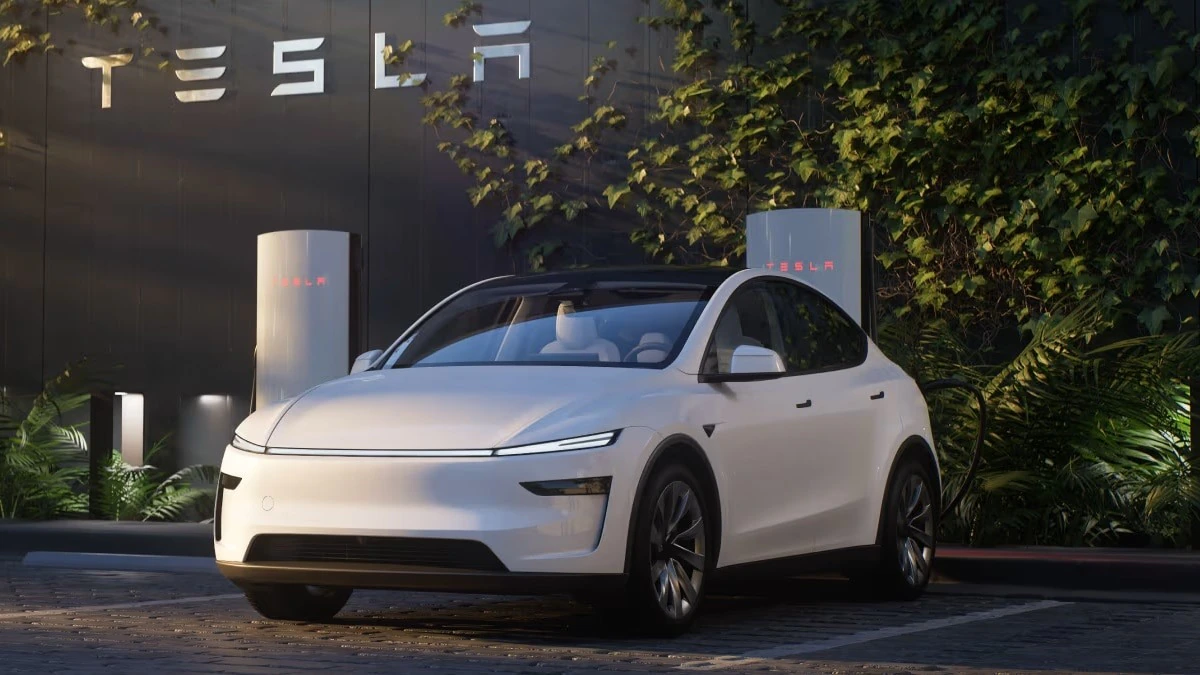
India’s premium EV market is undergoing a significant transformation in 2026 as Tesla enters a space already occupied by established luxury automakers. The competition is reshaping buyer expectations, accelerating innovation, and creating new choices for consumers seeking premium electric mobility.
Tesla’s Arrival Changes the Premium EV Conversation
Tesla vs traditional automakers has become one of the most discussed topics in India’s automotive industry. For years, luxury electric vehicles in India were primarily offered by established manufacturers such as BMW, Mercedes-Benz, Audi, Volvo, Kia, and Hyundai. The arrival of Tesla has added a new dimension to the market.
Tesla enters India with strong global brand recognition and a reputation for software-driven innovation. Unlike traditional carmakers that gradually expanded into electric vehicles, Tesla was built entirely around EV technology. This distinction has become a major talking point among prospective buyers.
Industry analysts believe Tesla’s entry is likely to increase competition across the premium segment. Consumers now have access to a wider range of electric vehicles with different strengths, from cutting-edge software and range capabilities to luxury-focused interiors and established service networks.
The result is a more competitive and mature premium EV landscape than ever before.
Premium Electric Vehicle Market Expands Beyond Early Adopters
India’s premium EV market was initially driven by technology enthusiasts and environmentally conscious consumers. However, the buyer profile has broadened considerably in recent years.
Affluent professionals, entrepreneurs, corporate executives, and luxury car owners are increasingly considering electric vehicles as practical alternatives to traditional internal combustion engine models. Improved charging infrastructure, rising awareness of sustainability, and advancements in battery technology have contributed to this shift.
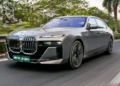
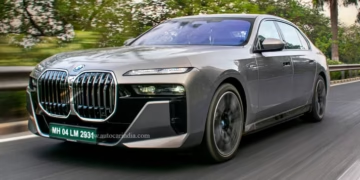
Traditional luxury brands have responded by expanding their electric portfolios. Models such as premium electric SUVs and luxury sedans now offer competitive range figures, advanced driver-assistance systems, and high-end cabin experiences.
Tesla’s entry is accelerating this trend by introducing additional competition in areas such as software integration, vehicle efficiency, and digital ownership experiences. Buyers now evaluate vehicles using criteria that extend beyond traditional luxury features.
Tesla’s Strength Lies in Software and Technology
One of Tesla’s biggest advantages is its technology-focused approach. The company treats vehicles as software-driven products that can receive updates long after purchase. Over-the-air software updates allow new features, performance improvements, and interface enhancements to be delivered remotely.
This approach differs significantly from traditional automakers, which historically focused on mechanical engineering, driving comfort, and premium craftsmanship.
Tesla’s minimalist interiors, large touchscreen interfaces, and integrated software ecosystem appeal strongly to younger buyers who prioritize digital experiences. Features such as advanced navigation systems, energy management tools, and connected vehicle functions help differentiate Tesla from competitors.
The company has also built a reputation for efficiency. Its vehicles often achieve strong range figures due to a combination of battery technology, aerodynamics, and software optimization.
For technology-focused consumers, these factors represent a major competitive advantage.
Traditional Automakers Retain Key Advantages
While Tesla attracts attention through innovation, traditional automakers continue to possess important strengths. Companies such as BMW, Mercedes-Benz, Audi, and Volvo have decades of experience building premium vehicles and serving luxury customers.
Many buyers still place significant value on cabin quality, ride comfort, brand heritage, and personalized customer service. Traditional manufacturers have refined these aspects over generations and continue to invest heavily in their electric vehicle offerings.
Service infrastructure is another advantage. Established luxury brands generally operate larger dealership and service networks across major Indian cities. This provides reassurance for buyers concerned about maintenance and after-sales support.
Luxury automakers have also introduced sophisticated electric models that combine premium materials, advanced technology, and strong performance. As a result, competition is no longer simply about electrification. It is about delivering the best overall ownership experience.
Charging Infrastructure and Ownership Experience Matter
The success of India’s premium EV market depends not only on vehicles but also on supporting infrastructure. Charging accessibility remains a key consideration for prospective buyers.
Major cities such as Delhi, Mumbai, Bengaluru, Hyderabad, Pune, and Chennai have witnessed significant expansion in public charging networks. However, infrastructure development remains uneven across the country.
Premium EV buyers often install home charging systems, reducing dependence on public charging stations. Nevertheless, long-distance travel still requires reliable charging availability.
Tesla’s approach to charging infrastructure will be closely watched as it expands its presence in India. Traditional automakers have also partnered with charging providers to improve accessibility for customers.
Ownership experience is increasingly becoming a deciding factor. Buyers evaluate service quality, software updates, charging convenience, warranty coverage, and resale value alongside vehicle specifications.
What India’s Premium EV Market Looks Like in 2026
The premium EV market in 2026 is significantly more diverse than it was just a few years ago. Consumers can now choose from a wide range of electric SUVs, luxury sedans, and performance-oriented EVs.
Tesla has intensified competition by bringing a technology-first philosophy to the market. Traditional automakers, meanwhile, continue leveraging their strengths in luxury craftsmanship, customer service, and brand heritage.
This competition benefits consumers. Increased rivalry encourages innovation, broader product choices, and continued investment in charging infrastructure and electric mobility solutions.
Industry experts expect premium EV adoption to continue growing as battery technology improves, charging networks expand, and more models enter the market.
The real winner may ultimately be the Indian consumer, who now has more options than ever when considering a premium electric vehicle.
Key Takeaways
• Tesla’s entry is increasing competition in India’s premium electric vehicle market.
• Software, connectivity, and efficiency remain Tesla’s strongest advantages.
• Traditional automakers continue to lead in luxury craftsmanship and service infrastructure.
• Growing charging networks and wider model availability are supporting premium EV adoption.
FAQs
Why is Tesla’s entry important for India’s EV market?
Tesla introduces additional competition, advanced software capabilities, and global brand recognition that could accelerate innovation across the premium EV segment.
How does Tesla differ from traditional automakers?
Tesla emphasizes software integration, over-the-air updates, and digital experiences, while traditional manufacturers focus on luxury craftsmanship, comfort, and established customer service.
Are traditional luxury brands still competitive in electric vehicles?
Yes. BMW, Mercedes-Benz, Audi, Volvo, and other manufacturers offer premium EVs with strong performance, luxury features, and expanding electric portfolios.
What factors should buyers consider before purchasing a premium EV?
Range, charging infrastructure, service support, technology features, ownership costs, warranty coverage, and overall driving experience are all important considerations.
(Tesla India, Premium EV Market India, Electric Vehicles India 2026, Tesla vs BMW EV, Tesla vs Mercedes EV, Luxury Electric Cars India, Premium EV Comparison, Electric SUV India, EV Industry India, Future of Electric Mobility)