
























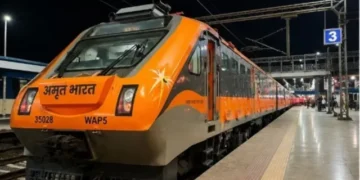


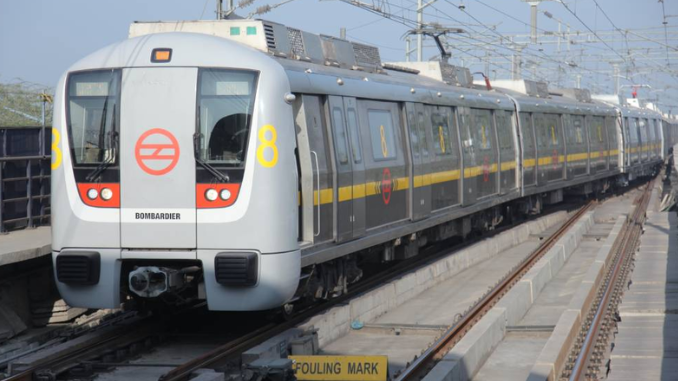
Metro rail networks are expanding rapidly across India’s major cities, reshaping the way millions of people travel every day. New corridors, better connectivity and faster public transport are reducing travel time, easing congestion and encouraging a shift away from private vehicles.
The metro expansion projects in India have become one of the biggest drivers of urban mobility in recent years. Across Tier-1 cities such as Delhi, Mumbai, Bengaluru, Chennai, Hyderabad, Pune and Ahmedabad, new metro lines are changing daily commuting patterns by offering faster, more reliable and environmentally friendly transportation. As governments continue investing in urban infrastructure, metro rail systems are becoming the backbone of public transport for millions of office workers, students and residents.
With multiple projects under construction and several new corridors opening in phases, India’s metro network continues to grow. According to the Ministry of Housing and Urban Affairs, India now has one of the world’s fastest-growing metro rail systems, with thousands of kilometres either operational or under development.
Metro Expansion Is Reshaping Urban Transportation
India’s major cities have struggled for decades with rising traffic congestion, increasing vehicle ownership and long travel times. Rapid urbanisation has further increased pressure on existing roads and public transport systems.
Metro rail has emerged as a practical solution because it offers predictable travel times that are not affected by road traffic. Unlike buses and private vehicles, metro trains operate on dedicated corridors, allowing commuters to reach destinations on schedule even during peak hours.
Delhi Metro remains the country’s largest metro network and serves millions of passengers every day. Similar growth is taking place in Mumbai, Bengaluru, Hyderabad and Chennai, where new corridors are connecting residential suburbs with business districts, airports and railway stations.
The expansion is particularly benefiting people who previously depended on multiple buses or lengthy road journeys to reach workplaces.
Reduced Travel Time Is Improving Daily Life
One of the biggest advantages of metro expansion is the significant reduction in travel time.
For example, commuters who earlier spent nearly two hours travelling by road during rush hour can now complete the same journey in much less time using metro services. This allows professionals to spend less time in traffic and more time with family or work.
Several newly operational corridors have improved last-mile connectivity through feeder buses, electric rickshaws, bicycle-sharing systems and integrated transport hubs. Many metro stations are now designed to connect directly with railway stations, airports and bus terminals, making intercity and local travel much smoother.
As new lines become operational, travel between commercial centres and residential areas is becoming increasingly convenient.
Metro Networks Are Supporting Economic Growth
Metro rail projects are doing more than improving transportation. They are also contributing to urban economic development.
Property values near metro stations have witnessed steady appreciation as homebuyers prefer locations with easy access to public transport. Commercial spaces surrounding metro corridors have also experienced increased demand from retailers, restaurants and office developers.
Large infrastructure projects generate employment during construction and later create permanent jobs in operations, maintenance, security and station management.
Cities such as Mumbai and Bengaluru are witnessing commercial growth around newly developed metro stations, encouraging businesses to expand into emerging urban clusters.
Improved public transport also makes cities more attractive for investments by reducing commuting challenges for employees.
Environmental Benefits of Metro Expansion
Metro systems are widely considered one of the cleanest forms of mass transportation.
As more commuters shift from private vehicles to metro trains, fuel consumption decreases and traffic congestion reduces. This contributes to lower carbon emissions and improved urban air quality.
Electric-powered metro systems also consume less energy per passenger compared to individual vehicles. Many metro corporations have introduced solar power installations, rainwater harvesting and energy-efficient station designs to further improve sustainability.
With India’s focus on reducing urban pollution and achieving climate goals, metro expansion plays an important role in promoting greener cities.
Environmental experts believe that encouraging greater use of public transport will remain essential as India’s urban population continues to grow.
Challenges That Still Need Attention
Despite rapid expansion, several challenges remain.
Construction delays, land acquisition issues and rising project costs continue to affect timelines in some cities. During construction, traffic diversions and road closures can temporarily inconvenience commuters.
Another major issue is last-mile connectivity. While metro trains significantly reduce travel time, passengers often need convenient transport between stations and their final destinations. Cities are increasingly introducing feeder services, app-based mobility options and integrated ticketing systems to address this gap.
Affordability is another consideration. Although metro fares remain competitive compared to private transport in many cities, authorities continue balancing operational costs with passenger affordability.
Improving accessibility for senior citizens and people with disabilities is also receiving greater attention in new metro projects.
The Future of Metro Travel in India
India’s metro network is expected to expand further over the next decade. Several ongoing projects in Delhi NCR, Mumbai, Bengaluru, Pune, Chennai and other metropolitan regions are scheduled to become operational in phases.
Future developments include driverless train technology, digital ticketing, integrated mobility platforms and seamless connections between metro, buses and suburban rail networks.
Urban planners believe that efficient public transport will become increasingly important as cities continue to expand geographically. Metro rail systems are expected to reduce dependence on private vehicles while supporting sustainable urban growth.
For millions of commuters, metro expansion is already changing everyday life by making travel faster, safer and more predictable. As new corridors open across India’s Tier-1 cities, public transportation is likely to become even more efficient and accessible.
Key Takeaways
- Metro expansion is reducing travel time across India’s major cities.
- Better connectivity is improving access to business districts, airports and residential areas.
- Metro projects support economic growth while reducing traffic congestion.
- Continued expansion and improved last-mile connectivity will shape the future of urban transportation.
FAQ
Q1. Why are metro expansion projects important for Indian cities?
Metro projects reduce congestion, shorten travel time, improve public transport and support sustainable urban development.
Q2. Which Indian cities are expanding their metro networks?
Major expansion is underway in Delhi, Mumbai, Bengaluru, Chennai, Hyderabad, Pune, Ahmedabad and several other metropolitan cities.
Q3. How do metro projects help the environment?
Metro systems reduce dependence on private vehicles, lowering fuel consumption, traffic congestion and carbon emissions while promoting cleaner urban transportation.
Q4. What challenges do metro projects still face?
Common challenges include construction delays, land acquisition, funding, last-mile connectivity and ensuring affordable fares for commuters.