































By Dr. Charunayana D.N.
Founder at Shivayogi academy ,
Chief homeopathy consultant at sy international homeocare pvt Ltd
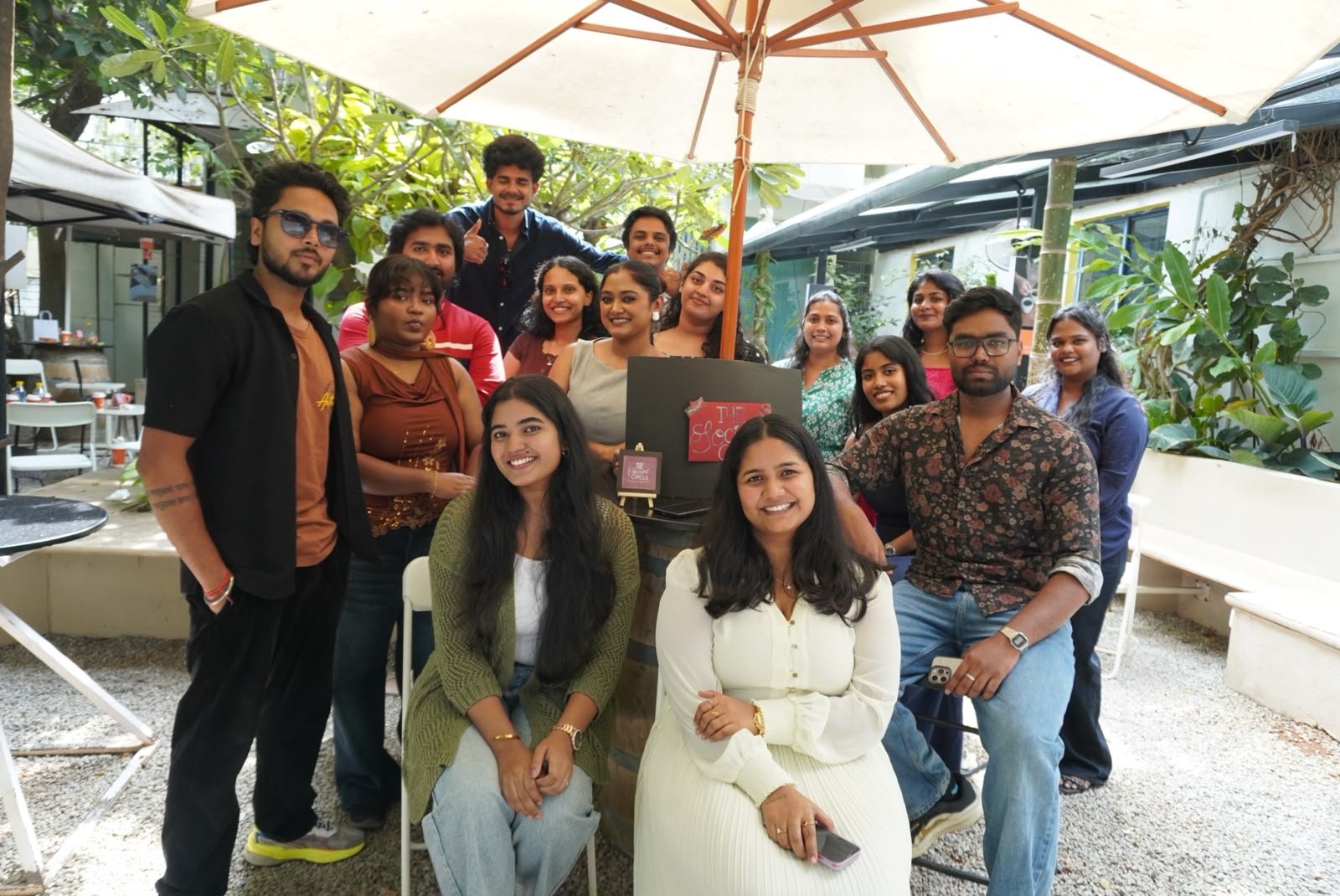
Founder of the social circle bangalore
Success is often described through visible achievements: professional qualifications, business growth, leadership positions, recognition and financial independence.
These milestones can represent years of effort and deserve to be acknowledged. Yet they do not tell the entire story of a person’s contribution or potential.
Knowledge determines what we understand. Empathy influences how we understand others. Action determines whether we turn that understanding into something useful.
When these three qualities work together, they can shape a more responsible approach to leadership, entrepreneurship, healthcare and personal development.
In a world that is changing rapidly, success should not be measured only by what individuals achieve for themselves, but also by how thoughtfully they use their abilities and how meaningfully they contribute to the lives of others.
Knowledge Creates Possibilities
Knowledge gives people the foundation to understand problems, evaluate information and make informed decisions.
In healthcare, knowledge supports clinical assessment and responsible treatment decisions. In entrepreneurship, it helps founders understand customers, manage resources and evaluate opportunities. In leadership, it enables individuals to consider different perspectives and make decisions with greater clarity.
However, knowledge alone does not guarantee good judgement.
A person may possess considerable expertise but struggle to communicate it clearly. An entrepreneur may understand a market but fail to listen to customers. A leader may know what needs to be done but overlook the effect a decision has on the people expected to implement it.
Knowledge becomes more valuable when it is combined with reflection, communication and a willingness to learn.
The objective should not simply be to accumulate information. It should be to understand how that information can be applied responsibly.
Empathy Gives Knowledge a Human Perspective
Empathy is the ability to consider another person’s experience, emotions and perspective. It does not require agreeing with everyone, nor does it mean abandoning boundaries or difficult decisions.
Instead, it encourages us to look beyond our immediate assumptions.
In healthcare, this may involve listening carefully to a patient’s concerns and explaining treatment options in a way the patient can understand.
In leadership, it may mean recognising that a team member is struggling, asking questions before drawing conclusions or communicating difficult feedback respectfully.
In entrepreneurship, empathy can help founders understand what customers genuinely need rather than building a product or service based solely on their own preferences.
Empathy does not replace expertise. It helps expertise respond to the human realities surrounding a problem.
It also reminds us that people may face challenges that are not immediately visible. A thoughtful question or a respectful conversation can reveal information that a quick judgement might overlook.
Action Turns Intention Into Impact
Knowledge without application can remain theoretical. Empathy without action can remain a good intention.
Meaningful progress requires the willingness to take practical steps.
An individual who wants to improve healthcare must contribute to better understanding, responsible practice or more accessible communication. Someone who wants to encourage young people must help create opportunities for learning and development. An entrepreneur who identifies a genuine problem must test possible solutions and learn from the results.
Action does not always require a large initiative or immediate transformation.
It can begin with improving a process, having a difficult conversation, asking for feedback, sharing reliable information or developing a service that addresses a specific need.
The important distinction is between expressing an intention and taking responsibility for what can realistically be done.
Action also requires evaluation. Good intentions do not guarantee good outcomes, and an initiative should be adjusted when evidence shows that it is not achieving its purpose.
Progress depends on both the willingness to act and the discipline to learn from the consequences.
Leadership Is About Responsibility, Not Recognition
Recognition can create opportunities, but it should not become the only measure of leadership.
A leadership role brings responsibility for decisions, relationships and outcomes. It requires individuals to communicate clearly, acknowledge mistakes and consider the consequences of their actions.
A leader may receive recognition for a successful project, but meaningful leadership also includes the less visible work: supporting a team during uncertainty, listening to criticism, resolving misunderstandings and making difficult decisions when there is no perfect solution.
Knowledge helps leaders assess the situation. Empathy helps them understand the people affected. Action enables them to move towards a decision.
When one of these elements is missing, leadership can become unbalanced. Knowledge without empathy may overlook human needs. Empathy without sound judgement may make difficult decisions harder to navigate. Action without adequate understanding may create unnecessary problems.
Responsible leadership requires all three to work together.
Entrepreneurship Requires Purpose and Discipline
Entrepreneurship offers an opportunity to turn ideas into services, products and organisations that create value.
However, building a business involves more than enthusiasm or ambition. It requires understanding customer needs, managing financial resources, evaluating risk and creating systems that allow the business to operate consistently.
Purpose helps a founder understand why the work matters. Knowledge supports informed decisions. Empathy helps the founder understand the people the business serves. Action transforms the idea into a real offering.
Financial sustainability also matters. A business that cannot manage its costs or deliver consistently may struggle to continue serving its customers, regardless of how meaningful its original purpose may be.
For this reason, purpose and practicality should not be treated as opposing priorities.
A responsible entrepreneur seeks to create something valuable while building the operational and financial foundations necessary to sustain it.
Human Development Must Remain Part of the Conversation
Professional qualifications and technical abilities are important, but individuals also need the skills to work with others, adapt to change and make thoughtful decisions.
Communication, emotional awareness, critical thinking and adaptability influence how people apply their knowledge in real situations.
These abilities can be developed through education, experience, reflection and constructive feedback. They also require environments in which people can ask questions, practise new skills and learn from mistakes.
Preparing young people for the future therefore involves more than helping them acquire information. It involves helping them develop the judgement and confidence to use that information responsibly.
Families, educators, healthcare professionals, employers and community leaders all have opportunities to support this development.
The aim is not to create perfect individuals. It is to encourage people who remain curious, recognise their limitations, treat others with respect and continue learning throughout their lives.
Redefining What It Means to Succeed
Success will mean different things to different people.
For one person, it may mean building a sustainable business. For another, it may involve serving patients, educating children, supporting a family or creating a community in which people feel welcome.
There is no single achievement that captures every person’s contribution.
Yet certain principles can make the pursuit of success more meaningful: understanding the work we undertake, recognising the people it affects, acting responsibly and remaining willing to improve.
These principles also help us avoid confusing visibility with value. An achievement may attract attention without creating lasting benefit, while a small but thoughtful action may make a meaningful difference to someone else’s life.
The challenge is to pursue ambition without losing perspective, build expertise without losing curiosity and seek progress without forgetting the people who make that progress worthwhile.
Building a Future With Purpose
My interests in healthcare, entrepreneurship, leadership and human development come together around a common question: how can knowledge be translated into meaningful action that benefits people?
The answer will differ across professions and circumstances, but the underlying principles remain relevant.
We need knowledge to understand the world, empathy to recognise the experiences of others and action to turn ideas into practical contributions.
None of these qualities is complete in isolation. Together, they offer a foundation for a more thoughtful approach to professional growth and public responsibility.
The future will require people who can continue learning, collaborate across differences, adapt to uncertainty and consider the wider consequences of their decisions.
Ultimately, success with purpose is not only about how far we progress. It is about what we learn along the way, how we treat the people we encounter and what we choose to build with the opportunities we receive.














