

























Early pre monsoon showers in Mumbai have disrupted traffic across key routes, exposing gaps in civic preparedness. The situation has sparked fresh scrutiny of the Brihanmumbai Municipal Corporation and its annual claims of monsoon readiness.
Mumbai pre monsoon showers disrupt traffic across city
Mumbai pre monsoon showers have once again caused widespread traffic disruption, affecting daily commuters across major roads and suburban routes. Several parts of the city reported waterlogging within hours of rainfall, slowing down vehicular movement and increasing travel time during peak hours.
Key areas known for flooding, including low lying stretches in central and western suburbs, saw water accumulation that forced vehicles to move at a crawl. Public transport services such as buses also experienced delays, adding to commuter frustration.
Pre monsoon showers in Mumbai typically act as an early test of the city’s drainage systems. This year’s initial rains have highlighted recurring issues that residents face every monsoon season. Despite annual desilting work and infrastructure upgrades, waterlogging continues to remain a persistent problem.
BMC monsoon preparedness under scrutiny again
The Brihanmumbai Municipal Corporation, responsible for civic infrastructure, faces renewed criticism following these disruptions. Each year, the civic body undertakes pre monsoon preparations including cleaning stormwater drains, inspecting pumping stations, and clearing debris.
However, the recent showers have raised questions about the effectiveness of these measures. Residents and commuters have pointed out that even moderate rainfall has led to flooding in certain areas, suggesting that underlying issues may not have been fully addressed.
Civic officials often state that extreme rainfall events can overwhelm systems, but early season waterlogging during relatively lighter showers tends to draw sharper criticism. It indicates gaps in execution rather than capacity alone.
The situation also brings attention to ongoing infrastructure projects. Road digging, metro construction, and repair work in various parts of Mumbai can contribute to drainage blockages if not managed carefully.
Traffic management challenges during early rains
Traffic congestion during Mumbai rains is not a new issue, but pre monsoon disruptions highlight the lack of preparedness before peak rainfall begins. Even short spells of rain can lead to bottlenecks at key junctions, flyovers, and arterial roads.
Traffic police typically issue advisories during heavy rainfall, but sudden showers can catch commuters off guard. Reduced visibility, slippery roads, and stalled vehicles further complicate traffic flow.
In several instances, commuters reported extended travel times due to slow moving traffic and temporary diversions. Ride hailing services also experienced delays, impacting daily routines.
Urban planners often point out that Mumbai’s high population density and limited road expansion options make traffic management during rains particularly challenging. This makes preventive measures even more critical.
Waterlogging hotspots and recurring infrastructure gaps
Certain areas in Mumbai repeatedly face waterlogging during rains, indicating long standing infrastructure issues. Low lying zones, clogged drains, and inadequate pumping capacity are among the common causes.
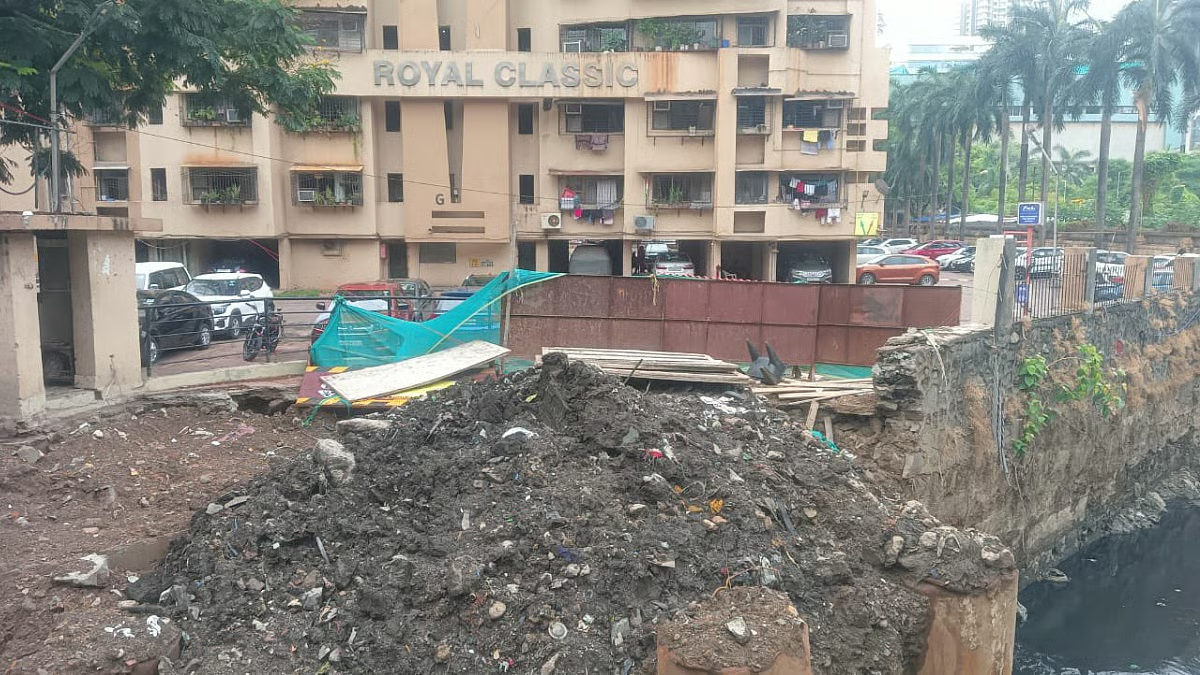
Despite regular desilting drives, experts note that debris accumulation and improper waste disposal can quickly block drainage systems. Plastic waste and construction materials often contribute to reduced water flow.
Additionally, rapid urbanization has altered natural drainage patterns. Construction over wetlands and open spaces has reduced the city’s ability to absorb excess rainwater. This increases dependence on artificial drainage systems.
The pre monsoon showers serve as a reminder that long term solutions are needed. Temporary fixes may provide short relief, but structural improvements are essential to address recurring flooding.
Impact on daily life and commuter sentiment
For Mumbai residents, early monsoon disruptions are more than just inconvenience. They affect work schedules, school timings, and overall productivity. Commuters often plan their day around potential delays once the rainy season begins.
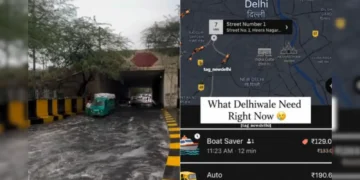
The latest disruptions have triggered conversations on social media, with users sharing images of waterlogged streets and traffic jams. Many expressed frustration over recurring issues despite yearly assurances of preparedness.
At the same time, some residents acknowledge the scale of the challenge faced by civic authorities in managing a city like Mumbai. However, there is a growing demand for better accountability and transparent reporting on infrastructure readiness.
The coming weeks will be crucial as the city moves closer to the full monsoon season. Authorities are likely to intensify efforts to address gaps identified during these early showers.
Takeaways
- Mumbai pre monsoon showers caused traffic disruptions and waterlogging in multiple areas
- BMC preparedness measures are under renewed scrutiny after early season issues
- Traffic congestion highlights the need for better planning before peak monsoon
- Long term infrastructure improvements remain critical to prevent recurring flooding
FAQs
Q1. Why do pre monsoon showers cause disruption in Mumbai?
They test the drainage system early, and any blockages or inefficiencies quickly lead to waterlogging and traffic issues.
Q2. What steps does BMC take before monsoon?
The civic body conducts drain cleaning, pumping station checks, and infrastructure inspections to prepare for heavy rainfall.
Q3. Which areas are most affected by waterlogging?
Low lying areas and zones with drainage issues are typically more vulnerable during rains.
Q4. Can these problems be permanently solved?
Long term solutions require infrastructure upgrades, better waste management, and urban planning improvements.