





















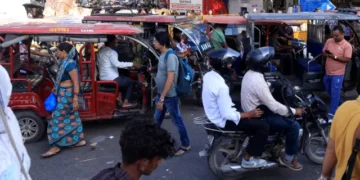









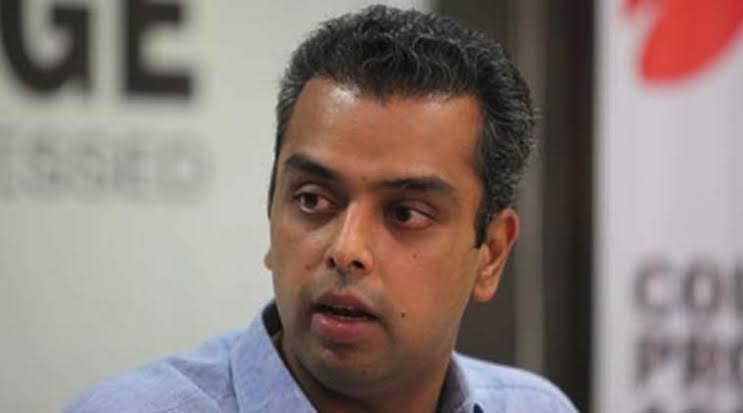
Mumbai is experiencing unusually warm conditions in mid-November, with daytime temperatures hovering around 34 to 35 degrees Celsius. Shiv Sena MP Milind Deora has raised concerns over the summer-like weather, questioning whether the changing conditions should serve as a wake-up call on climate change.
Milind Deora’s Remark on Mumbai’s November Heat Goes Viral
Mumbai’s November heat has become a talking point after Shiv Sena MP Milind Deora commented on the city’s unusually warm weather. In a post shared on X on November 17, Deora highlighted the contrast between the calendar and the temperatures residents are experiencing.
Addressing people who deny climate change, he wrote that Mumbai was giving out peak summer vibes despite it being the middle of November. He also questioned whether the unusual conditions were not enough of a wake-up call.
His remark attracted attention because November is generally associated with the gradual arrival of cooler weather in several parts of India. However, Mumbai’s coastal climate means that the city often experiences warmer conditions for longer than inland regions.
The post has brought renewed attention to changing weather patterns, rising temperatures and the impact of urban development on everyday life.
Mumbai Weather Today: Temperatures Reach 34-35 Degrees Celsius
The India Meteorological Department’s forecast for Mumbai shows that temperatures have remained relatively high during the middle of November.
According to the IMD’s November 18 forecast, Mumbai’s maximum temperature was expected to reach around 35 degrees Celsius, while the minimum was forecast at approximately 23 degrees Celsius. The department also indicated mainly clear skies and no weather warning for the city.
The IMD’s forecast for November 14 to November 20 showed maximum temperatures largely staying between 33 and 34 degrees Celsius.
These conditions help explain why residents are continuing to experience warm afternoons even as November progresses. People travelling to work, students attending colleges and those spending extended periods outdoors may find the daytime conditions uncomfortable.
Although temperatures can vary across different parts of Mumbai, the overall forecast points towards a relatively warm period rather than the cooler conditions many residents might expect.
Why Is Mumbai Experiencing Summer-Like Weather in November?
Several atmospheric and geographical factors influence Mumbai’s temperature during November.
One explanation highlighted in recent weather coverage is the presence of an anticyclone near the Gujarat coast. Skymet meteorologist Mahesh Palawat, as cited by The Hindu and reported by NDTV Profit, suggested that this weather system could be contributing to the warmer conditions in the region.
An anticyclone is a high-pressure weather system in which air generally moves downward. Depending on its position and surrounding atmospheric conditions, it can influence wind direction, cloud formation and local temperatures.
Mumbai’s coastal location also plays an important role. The Arabian Sea influences the city’s humidity and temperature patterns. Unlike many inland cities, Mumbai does not always experience a sharp drop in daytime temperatures as soon as winter begins.
The transition between the monsoon and winter seasons can also bring variations in temperature. Consequently, November does not necessarily mean that residents will immediately experience consistently cool weather.
Climate Change Debate Returns to Focus After Deora’s Post
Milind Deora’s comment has also brought climate change back into the public conversation.
Rising global temperatures have increased concerns about heatwaves, changing rainfall patterns and extreme weather events. Cities are particularly vulnerable because buildings, roads, vehicles and other infrastructure can absorb and retain heat.
However, it is important to distinguish between an unusual weather event and a long-term climate trend.
A few days of higher temperatures cannot independently establish that climate change is responsible for a particular weather condition. Scientists study long-term temperature records, seasonal patterns and other environmental indicators to understand whether a region is experiencing a sustained shift in its climate.
Mumbai’s current weather should therefore be viewed in the context of both immediate atmospheric conditions and the broader discussion about global warming.
Deora’s post has brought public attention to this issue, but a scientific assessment requires longer-term observations rather than a single temperature reading.
Urban Heat and Pollution Add to Mumbai’s Weather Concerns
Temperature is not the only environmental issue facing Mumbai. Air pollution and urban heat are also important concerns for residents.
Buildings, concrete surfaces, traffic congestion and limited green spaces can contribute to the urban heat island effect. This occurs when urban areas become warmer than surrounding locations because infrastructure absorbs and releases heat.
The effect can make already warm days feel more uncomfortable, particularly in densely populated neighbourhoods.
Air pollution adds another layer to the city’s environmental challenges. A November 14 report cited in NDTV Profit noted that Mumbai’s overall Air Quality Index was 127, placing it in the moderate category at that time. Some monitoring locations recorded higher readings.
It is important to note that AQI and temperature measure different environmental conditions. A high temperature does not automatically mean that air quality is poor. Both need to be monitored independently.
For residents, the combination of warm afternoons, traffic-related emissions and dense urban development makes environmental planning increasingly important.
What Mumbai Residents Should Know About the Current Weather
With daytime temperatures remaining around 33 to 35 degrees Celsius, residents may need to continue taking precautions normally associated with warmer months.
People who work outdoors, travel long distances or spend time in crowded areas should pay attention to hydration and prolonged exposure to direct sunlight.
A few practical precautions include:
- Drink sufficient water throughout the day, particularly during outdoor activities.
- Avoid unnecessary exposure to direct sunlight during the hottest afternoon hours.
- Wear lightweight and breathable clothing in warm weather.
- Check official IMD forecasts for temperature changes and weather advisories.
Residents should also remember that weather conditions can differ between neighbourhoods. Local forecasts and official updates are more useful than relying entirely on viral social media posts.
Why Milind Deora’s Comment Matters Beyond Social Media
Milind Deora’s remark has become part of a wider discussion about how people experience changing weather conditions in major Indian cities.
For Mumbai, unusually warm November afternoons are relevant to everyday activities, including commuting, outdoor work, school schedules and public health planning.
The discussion also has implications for other Indian cities. Urban centres such as Delhi, Bengaluru, Hyderabad and Pune face their own challenges involving temperature changes, air pollution and urban infrastructure.
As India’s cities continue to expand, climate resilience, green spaces, public transport and effective urban planning will become increasingly important.
While one unusually warm November cannot prove a long-term climate shift, it provides an opportunity to discuss how cities monitor weather, prepare for heat and protect residents.
For now, Mumbai’s temperatures remain higher than many people would associate with the middle of November. Deora’s post has turned that everyday experience into a larger conversation about weather and climate awareness.
Milind Deora’s Mumbai Heat Remark Highlights Unusual November Weather
Mumbai is experiencing unusually warm conditions in mid-November, with daytime temperatures hovering around 34 to 35 degrees Celsius. Shiv Sena MP Milind Deora has raised concerns over the summer-like weather, questioning whether the changing conditions should serve as a wake-up call on climate change.
Milind Deora’s Remark on Mumbai’s November Heat Goes Viral
Mumbai’s November heat has become a talking point after Shiv Sena MP Milind Deora commented on the city’s unusually warm weather. In a post shared on X on November 17, Deora highlighted the contrast between the calendar and the temperatures residents are experiencing.
Addressing people who deny climate change, he wrote that Mumbai was giving out peak summer vibes despite it being the middle of November. He also questioned whether the unusual conditions were not enough of a wake-up call.
His remark attracted attention because November is generally associated with the gradual arrival of cooler weather in several parts of India. However, Mumbai’s coastal climate means that the city often experiences warmer conditions for longer than inland regions.
The post has brought renewed attention to changing weather patterns, rising temperatures and the impact of urban development on everyday life.
Mumbai Weather Today: Temperatures Reach 34-35 Degrees Celsius
The India Meteorological Department’s forecast for Mumbai shows that temperatures have remained relatively high during the middle of November.
According to the IMD’s November 18 forecast, Mumbai’s maximum temperature was expected to reach around 35 degrees Celsius, while the minimum was forecast at approximately 23 degrees Celsius. The department also indicated mainly clear skies and no weather warning for the city.
The IMD’s forecast for November 14 to November 20 showed maximum temperatures largely staying between 33 and 34 degrees Celsius.
These conditions help explain why residents are continuing to experience warm afternoons even as November progresses. People travelling to work, students attending colleges and those spending extended periods outdoors may find the daytime conditions uncomfortable.
Although temperatures can vary across different parts of Mumbai, the overall forecast points towards a relatively warm period rather than the cooler conditions many residents might expect.
Why Is Mumbai Experiencing Summer-Like Weather in November?
Several atmospheric and geographical factors influence Mumbai’s temperature during November.
One explanation highlighted in recent weather coverage is the presence of an anticyclone near the Gujarat coast. Skymet meteorologist Mahesh Palawat, as cited by The Hindu and reported by NDTV Profit, suggested that this weather system could be contributing to the warmer conditions in the region.
An anticyclone is a high-pressure weather system in which air generally moves downward. Depending on its position and surrounding atmospheric conditions, it can influence wind direction, cloud formation and local temperatures.
Mumbai’s coastal location also plays an important role. The Arabian Sea influences the city’s humidity and temperature patterns. Unlike many inland cities, Mumbai does not always experience a sharp drop in daytime temperatures as soon as winter begins.
The transition between the monsoon and winter seasons can also bring variations in temperature. Consequently, November does not necessarily mean that residents will immediately experience consistently cool weather.
Climate Change Debate Returns to Focus After Deora’s Post
Milind Deora’s comment has also brought climate change back into the public conversation.
Rising global temperatures have increased concerns about heatwaves, changing rainfall patterns and extreme weather events. Cities are particularly vulnerable because buildings, roads, vehicles and other infrastructure can absorb and retain heat.
However, it is important to distinguish between an unusual weather event and a long-term climate trend.
A few days of higher temperatures cannot independently establish that climate change is responsible for a particular weather condition. Scientists study long-term temperature records, seasonal patterns and other environmental indicators to understand whether a region is experiencing a sustained shift in its climate.
Mumbai’s current weather should therefore be viewed in the context of both immediate atmospheric conditions and the broader discussion about global warming.
Deora’s post has brought public attention to this issue, but a scientific assessment requires longer-term observations rather than a single temperature reading.
Urban Heat and Pollution Add to Mumbai’s Weather Concerns
Temperature is not the only environmental issue facing Mumbai. Air pollution and urban heat are also important concerns for residents.
Buildings, concrete surfaces, traffic congestion and limited green spaces can contribute to the urban heat island effect. This occurs when urban areas become warmer than surrounding locations because infrastructure absorbs and releases heat.
The effect can make already warm days feel more uncomfortable, particularly in densely populated neighbourhoods.
Air pollution adds another layer to the city’s environmental challenges. A November 14 report cited in NDTV Profit noted that Mumbai’s overall Air Quality Index was 127, placing it in the moderate category at that time. Some monitoring locations recorded higher readings.
It is important to note that AQI and temperature measure different environmental conditions. A high temperature does not automatically mean that air quality is poor. Both need to be monitored independently.
For residents, the combination of warm afternoons, traffic-related emissions and dense urban development makes environmental planning increasingly important.
What Mumbai Residents Should Know About the Current Weather
With daytime temperatures remaining around 33 to 35 degrees Celsius, residents may need to continue taking precautions normally associated with warmer months.
People who work outdoors, travel long distances or spend time in crowded areas should pay attention to hydration and prolonged exposure to direct sunlight.
A few practical precautions include:
- Drink sufficient water throughout the day, particularly during outdoor activities.
- Avoid unnecessary exposure to direct sunlight during the hottest afternoon hours.
- Wear lightweight and breathable clothing in warm weather.
- Check official IMD forecasts for temperature changes and weather advisories.
Residents should also remember that weather conditions can differ between neighbourhoods. Local forecasts and official updates are more useful than relying entirely on viral social media posts.
Why Milind Deora’s Comment Matters Beyond Social Media
Milind Deora’s remark has become part of a wider discussion about how people experience changing weather conditions in major Indian cities.
For Mumbai, unusually warm November afternoons are relevant to everyday activities, including commuting, outdoor work, school schedules and public health planning.
The discussion also has implications for other Indian cities. Urban centres such as Delhi, Bengaluru, Hyderabad and Pune face their own challenges involving temperature changes, air pollution and urban infrastructure.
As India’s cities continue to expand, climate resilience, green spaces, public transport and effective urban planning will become increasingly important.
While one unusually warm November cannot prove a long-term climate shift, it provides an opportunity to discuss how cities monitor weather, prepare for heat and protect residents.
For now, Mumbai’s temperatures remain higher than many people would associate with the middle of November. Deora’s post has turned that everyday experience into a larger conversation about weather and climate awareness.