





















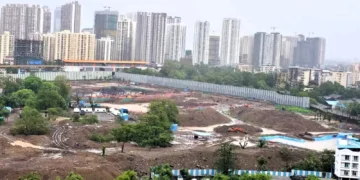









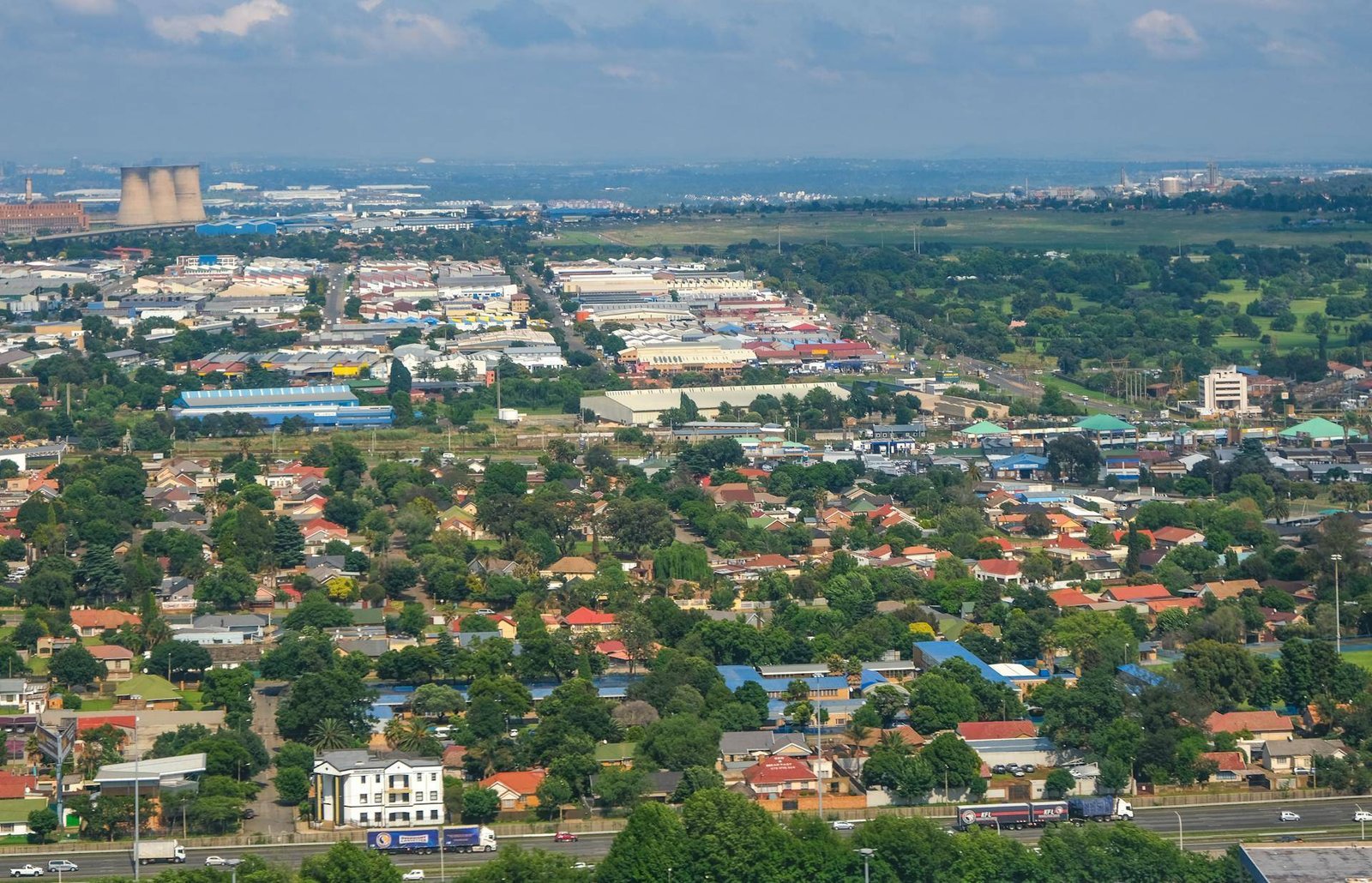
Hyderabad’s real estate boom is increasingly spreading to peripheral zones as demand rises beyond core city areas. Developers and homebuyers are shifting focus to outskirts, driven by affordability, infrastructure growth, and expanding employment hubs.
Hyderabad Real Estate Boom Moves Beyond Core City
The Hyderabad real estate boom is no longer limited to central locations, with significant activity now visible in peripheral zones of Hyderabad. Areas that were previously considered distant are witnessing new residential and commercial developments.
This shift is being driven by rising property prices in established localities, prompting buyers to explore more affordable options. Developers are also targeting these zones due to lower land costs and the potential for large scale projects.
Over the past few years, Hyderabad has emerged as a key real estate market in India, supported by steady economic growth and a strong IT sector presence.
Key Peripheral Areas Seeing Growth
Peripheral zones such as Kokapet, Tellapur, Shamshabad, and parts of the Outer Ring Road corridor are experiencing increased real estate activity. These areas offer relatively lower property prices compared to central locations while still providing access to major employment hubs.
Infrastructure projects have played a crucial role in this expansion. Improved road connectivity, proximity to the airport, and planned metro extensions have made these areas more accessible.
Developers are launching gated communities, high rise apartments, and integrated townships in these regions, catering to both end users and investors.
Drivers Behind the Real Estate Expansion Trend
Several factors are contributing to the spread of the Hyderabad real estate boom into peripheral zones. Affordability remains a primary driver, as buyers seek larger homes and better amenities at lower prices.
Workplace trends have also influenced demand. With hybrid work models becoming more common, proximity to offices is less critical for some buyers, allowing them to consider locations farther from the city center.
Additionally, infrastructure development has improved connectivity, reducing travel time and making peripheral areas more viable for daily commuting.
Investor interest is another factor. Peripheral zones often offer higher appreciation potential, attracting those looking for long term returns.
Impact on Property Prices and Demand
The expansion into peripheral zones is gradually influencing property prices. While these areas remain more affordable than central locations, rising demand is leading to steady price appreciation.
Residential projects in these zones are seeing strong booking activity, particularly in the mid segment and premium affordable categories. Commercial development is also picking up, driven by demand for office spaces and retail outlets.
However, price growth is not uniform across all areas. Locations with better infrastructure and connectivity tend to see faster appreciation compared to less developed regions.
Challenges in Peripheral Real Estate Development
Despite the growth, several challenges remain. Infrastructure in some peripheral zones is still developing, which can affect livability in the short term. Issues such as water supply, public transport access, and social infrastructure need to be addressed.
Buyers must also consider project timelines and developer credibility. Delays in construction or infrastructure development can impact returns and usability.
Regulatory factors and land approval processes can also influence project execution. While Hyderabad has been relatively stable in terms of real estate policy, due diligence remains important.
Future Outlook for Hyderabad Real Estate Market
The Hyderabad real estate boom is expected to continue, with peripheral zones playing a key role in future growth. As infrastructure projects progress and connectivity improves, these areas are likely to become more integrated with the city.
Urban expansion is a natural outcome of population growth and economic development. Peripheral zones offer the space needed for large scale housing and commercial projects.
For buyers and investors, the focus should be on locations with strong infrastructure plans and connectivity. These factors will determine long term value and livability.
Takeaways
- Hyderabad real estate boom is expanding into peripheral zones due to affordability and demand
- Areas near Outer Ring Road and airport are seeing significant growth
- Infrastructure development is a key driver of real estate expansion
- Buyers should evaluate connectivity and amenities before investing
FAQs
Q1. Why is real estate growing in Hyderabad’s peripheral areas?
Lower property prices, improved infrastructure, and increasing demand are driving growth in these zones.
Q2. Which areas are emerging as real estate hotspots?
Kokapet, Tellapur, Shamshabad, and Outer Ring Road regions are among the key growth areas.
Q3. Is it a good time to invest in Hyderabad real estate?
Peripheral zones offer potential for appreciation, but buyers should consider infrastructure and project quality.
Q4. What challenges should buyers be aware of?
Infrastructure gaps, project delays, and connectivity issues are key factors to evaluate.