


























A recent arrest in Delhi has renewed the debate over influencer accountability, online humour and the consequences of viral content. As creators compete for attention, questions about consent, dignity, discrimination and responsible entertainment are becoming increasingly important across India.
Viral Content and Online Accountability: Where Should Creators Draw the Line?
Social media influencers have become an important part of India’s digital culture. From comedy sketches and reaction videos to street interviews and public pranks, creators use platforms such as Instagram and YouTube to reach millions of viewers. Their content can entertain audiences, build careers and influence public conversations.
However, the race for views, followers and engagement can also encourage creators to cross ethical boundaries. Videos that ridicule people, target communities or turn private interactions into public entertainment can attract criticism and, in some circumstances, raise legal concerns.
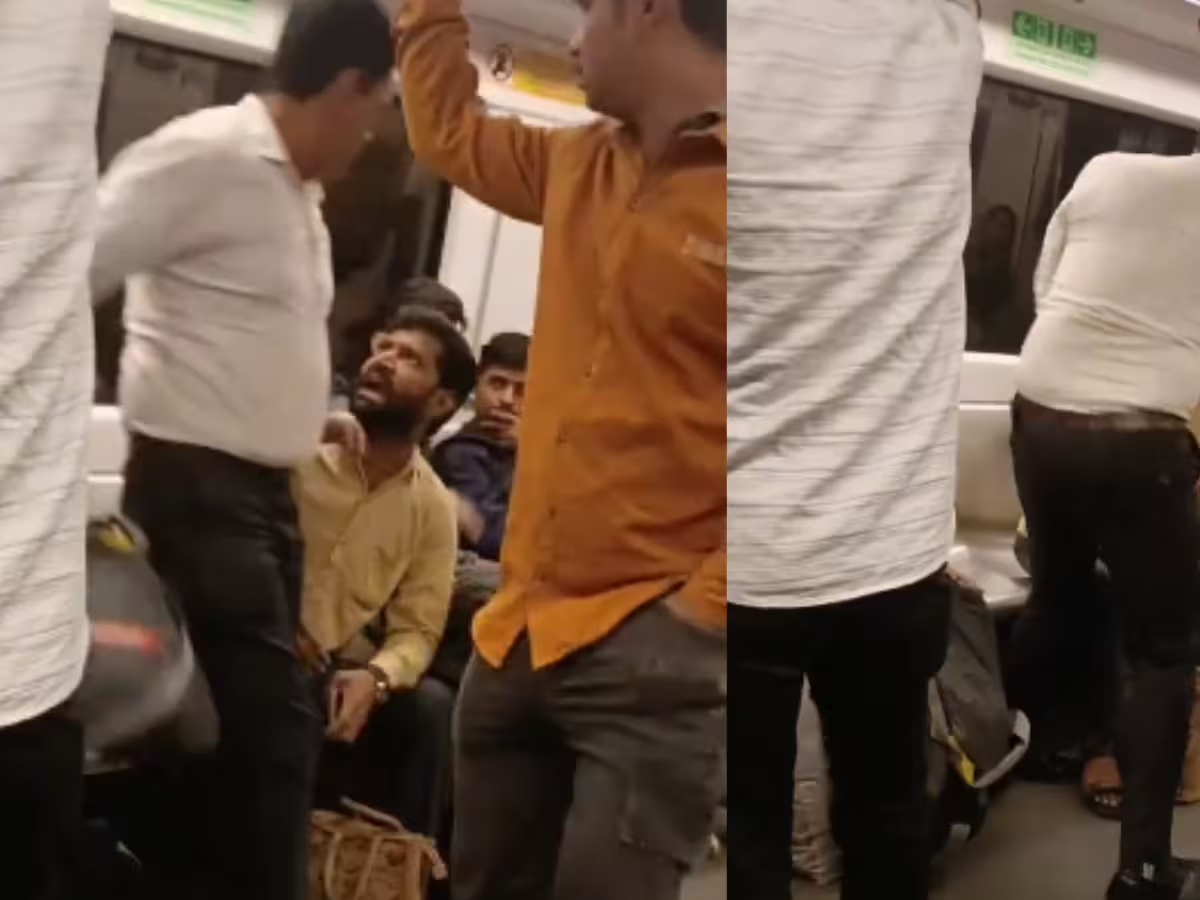
The debate has gained fresh attention following the arrest of Delhi-based content creator Amir Shokeen over a video involving a young man from Tripura. According to a report published by The Indian Express on October 23, 2026, the video drew criticism over remarks described as racial in nature. Shokeen reportedly apologised and said the video was scripted as a joke, claiming that he knew the young man personally. The reported arrest followed the controversy and the registration of a police case.
The incident raises a broader question for India’s growing creator economy: when does an attempt at humour become harmful, and what responsibility should an influencer carry for the content they publish?
The Pressure to Go Viral Can Encourage Risky Content
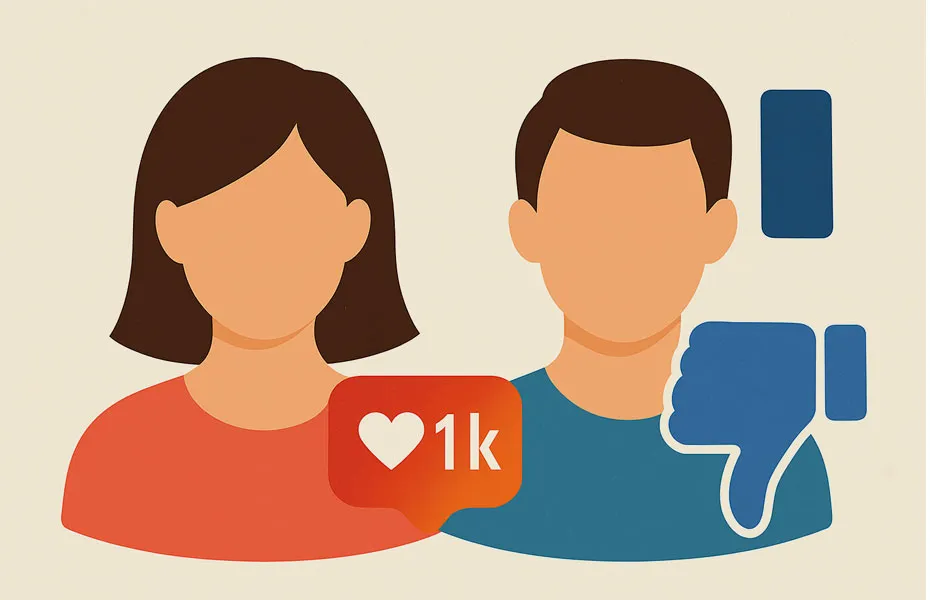
Social media platforms reward content that attracts attention and encourages people to watch, comment, share or react. For creators trying to build an audience, strong engagement can lead to greater visibility, brand partnerships and income opportunities.
This creates pressure to produce increasingly dramatic content. A simple joke may receive limited attention, while a provocative statement or controversial prank can trigger thousands of comments within hours. Some creators may therefore take risks that they would otherwise avoid.
The problem is not viral content itself. Comedy, satire and unconventional storytelling have legitimate places in digital entertainment. The concern arises when a creator’s pursuit of engagement comes at another person’s expense.
A street interview, for example, can become problematic if a participant is humiliated or filmed in a sensitive situation without meaningful consent. A comedy video can also cause harm if it relies on stereotypes about someone’s ethnicity, language, appearance or background.
Virality measures audience attention, not the quality or social impact of a video. A large number of views does not automatically make a piece of content acceptable, accurate or harmless.
Online Humour, Consent and the Limits of a Joke
One of the biggest challenges in influencer culture is the difference between a joke that everyone understands and content that makes one person the target of public ridicule.
Creators sometimes defend controversial videos by describing them as scripted, staged or intended purely for entertainment. Such explanations may be relevant when evaluating the context of a video, but they do not automatically resolve every concern.
Consent is an important part of the discussion. A person may agree to participate in a video without fully understanding how it will be edited, distributed or received by a wider audience. In other situations, a participant may be comfortable with a joke privately but uncomfortable when the clip reaches thousands of strangers.
Humour also depends on context. A joke between friends who understand each other’s intentions can be very different from a public video that appears to mock a person’s identity or community. Viewers who encounter a short clip may not know the people involved or understand the background.
For creators, the practical lesson is to consider how a video might affect the person featured in it, rather than judging its success solely by audience reactions.
What India’s Digital Rules Mean for Influencers
India already has legal and self-regulatory frameworks relevant to online content. The Information Technology Act, 2000, and the Information Technology (Intermediary Guidelines and Digital Media Ethics Code) Rules, 2021, form part of the framework governing unlawful online content and the responsibilities of digital intermediaries.
Depending on the facts, content involving alleged threats, harassment, defamation, impersonation or the promotion of enmity between groups may raise different legal questions. The applicable provisions depend on what was published, the surrounding circumstances, the available evidence and the conduct of the people involved.
This distinction matters because not every offensive or controversial video automatically amounts to a criminal offence. Criticism, satire and unpopular opinions can also form part of legitimate expression. Any legal assessment must consider the relevant law and the specific facts rather than relying only on public outrage.
Social media platforms also have policies governing harmful content. They may remove material, restrict its distribution or take action against accounts that violate their rules. These platform decisions are separate from police investigations and judicial findings.
In the Delhi incident, the reported arrest does not by itself establish guilt. The allegations must be assessed through the applicable legal process, and the creator is entitled to the protections provided by law.
Influencer Advertising and the Responsibility to Be Honest
Accountability extends beyond comedy and controversial videos. Influencers also influence consumer decisions by recommending products, services, financial offerings and lifestyle choices.
The Advertising Standards Council of India (ASCI) has guidelines requiring clear disclosures for influencer advertising. Its guidance covers paid promotions and material connections such as gifts, free products, travel, meals and other benefits. Disclosures should be easy for viewers to notice rather than hidden in a profile or buried in a caption.
Creators are also expected to exercise due diligence when making claims about products and services. Promoting an unverified health benefit, exaggerating a product’s performance or presenting a paid endorsement as an independent recommendation can mislead followers.
These issues are especially important when an influencer has a young audience or reaches people who may have limited experience evaluating online claims.
Brands share responsibility, too. Companies should provide accurate information, establish clear disclosure expectations and avoid pressuring creators to make unsupported claims. Audiences deserve to understand when a recommendation is commercial and what evidence supports it.
A creator’s influence is not simply a measure of follower count. It also carries responsibility for how that influence is used.
The Impact on Ordinary People and Smaller Communities
The consequences of viral content can extend far beyond the original video. A person featured in a controversial clip may face unwanted attention, online abuse or repeated sharing of the footage. Even when a creator deletes the original post, copies and screen recordings may continue circulating.
For people from smaller towns and less represented communities, the experience can be particularly difficult. They may have limited access to public relations support or the resources needed to respond to widespread online criticism. A short clip can also create a misleading impression of someone’s character when viewers have little information about the actual incident.
This does not mean every negative reaction is justified. Online audiences can misinterpret videos, spread unverified allegations or target creators without understanding the facts. Public criticism can itself become harmful when it turns into threats, harassment or the sharing of private information.
Responsible reporting and responsible viewing therefore matter as much as responsible content creation. People should avoid treating viral accusations as established facts and should verify information before sharing it.
What Responsible Influencer Behaviour Should Look Like
Building a sustainable online career requires more than producing content that attracts immediate attention. Creators who want to maintain audience trust need to think about consent, accuracy and the potential consequences of their work.
Before publishing a video, influencers can ask a few practical questions. Has the person featured in the video understood the purpose of the recording? Could the joke encourage harassment or reinforce harmful stereotypes? Are factual claims supported by reliable information? Would the video still be defensible if it reached an audience outside the creator’s usual followers?
Creators should also be willing to correct mistakes. When criticism identifies a genuine problem, an appropriate response may involve explaining the context, correcting misleading information, removing harmful material or apologising to affected people. The right response depends on the circumstances, and an apology should not be treated as an automatic substitute for legal accountability where a possible offence is involved.
Platforms, brands and audiences have roles to play as well. Platforms need accessible reporting mechanisms and consistent enforcement of their policies. Brands should assess the conduct of creators they work with. Audiences can encourage better standards by rewarding thoughtful, creative content instead of engaging only with controversy.
The objective should not be to eliminate humour or discourage people from expressing themselves online. It should be to build a digital environment where entertainment does not depend on humiliating others and where popularity does not place anyone beyond accountability.
Key Takeaways
- Viral reach does not automatically make content responsible, accurate or harmless.
- Consent, context and respect for individual dignity are important considerations when creating comedy, pranks and public interviews.
- Indian laws and advertising guidelines address different forms of unlawful content and misleading promotions, but each case must be assessed on its specific facts.
- Influencers, brands, platforms and audiences all contribute to a healthier online environment through transparency, verification and responsible engagement.
Frequently Asked Questions
1. Can an influencer face legal action for a viral video in India?
Yes, depending on the content and circumstances. A video may raise legal concerns if it involves conduct prohibited by applicable laws, such as certain forms of harassment, defamation, threats or incitement. Going viral or causing offence alone does not automatically establish a criminal offence.
2. Can an influencer defend controversial content by calling it a joke?
The stated intention may be relevant, but it does not settle every question. Authorities may consider the content, context, evidence, applicable law and other circumstances. Calling a video scripted or humorous does not automatically exempt its creator from responsibility.
3. Are influencers required to disclose paid promotions in India?
ASCI’s influencer advertising guidelines call for clear disclosures when content involves advertising or a relevant material connection, including payment, gifts and certain free products or services. The disclosure should be noticeable and understandable to the audience.
4. What should viewers do when they encounter a potentially harmful viral video?
Viewers should verify the context, avoid sharing unconfirmed allegations and report content that appears to violate platform rules. If a video targets a person or community, viewers should avoid participating in harassment or spreading private information.